


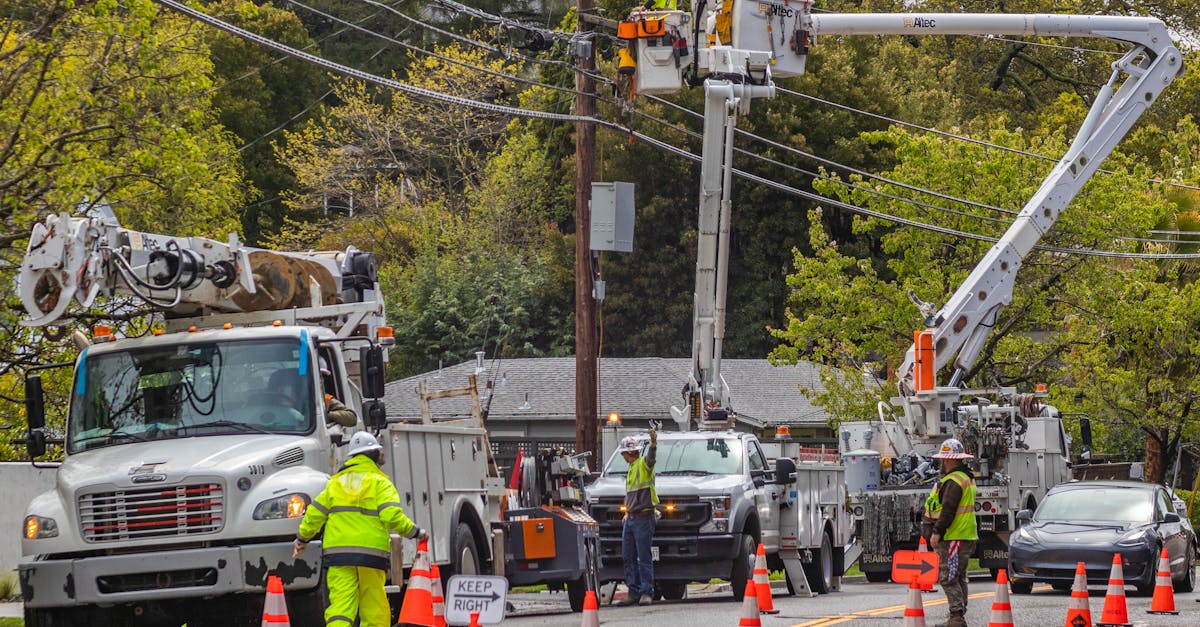
Critical weather conditions, including high wind gusts and critically low humidity, are prompting Hawaiian Electric to consider Public Safety Power Shutoffs (PSPS) on Maui (specifically West Maui) and Hawaii Island (North and South Kohala areas). This action, intended to mitigate wildfire risk, could take effect within 12 to 24 hours from February 18, 2026, leading to immediate and widespread power outages.
Businesses operating in these specific regions, and those reliant on consistent power delivery, face the prospect of significant operational downtime. The decision to implement a PSPS will be based on ongoing real-time weather monitoring and potential wildfire ignition risks.
Who's Affected
Small Business Operators (small-operator): Businesses in West Maui and North/South Kohala of Hawaii Island face immediate disruption. Operations relying on refrigeration (restaurants, food retailers), point-of-sale systems, lighting, and essential communication will be directly impacted. Expect potential loss of perishable inventory, inability to conduct transactions, and loss of customer access. Businesses may incur costs for backup power or face lost revenue during an outage, which could last several hours.
Real Estate Owners (real-estate): Property owners and managers in the affected zones should anticipate tenant communication regarding potential power outages and their impact on building operations. This includes elevators, HVAC systems, lighting, and security systems. Commercial landlords should be prepared for tenant inquiries about business interruption.
Remote Workers (remote-worker): Individuals working remotely in West Maui and affected areas of Hawaii Island will experience internet and power disruptions. This can halt work, impact client meetings, and necessitate relocation to alternative workspaces if available. Productivity will be significantly impacted for at least the duration of the outage.
Tourism Operators (tourism-operator): Hotels, resorts, vacation rentals, and tour operators are at high risk. Power outages can lead to guest dissatisfaction, impact food and beverage services, disrupt check-in/check-out processes, and affect online booking systems. Tour operators may be forced to cancel excursions. Consistent power is crucial for maintaining guest comfort and service delivery.
Entrepreneurs & Startups (entrepreneur): Startups, particularly those with physical operations or reliance on digital infrastructure and cloud services, face immediate operational halts. Data loss, disruption to critical workflows, and inability to access cloud-based platforms can result in significant setbacks. If power is out during business hours, revenue-generating activities will cease.
Agriculture & Food Producers (agriculture): Farmers and food producers in the specified regions may suffer crop damage if irrigation systems fail or if refrigeration for harvested goods is lost. Aquaculture operations are particularly vulnerable to power outages affecting pumps and aeration systems. Livestock operations may also face challenges with cooling or feeding systems.
Healthcare Providers (healthcare): Clinics, private practices, and any facility with critical medical equipment are at high risk. Life-support systems, diagnostic equipment, and electronic health records (EHRs) rely on constant power. Lack of backup generators or insufficient fuel for existing generators could lead to immediate patient care disruptions and safety concerns. Telehealth services will be unavailable.
Second-Order Effects
The immediate impact of PSPS is widespread operational disruption. This directly translates to lost revenue for businesses, particularly in the tourism and food service sectors which form the backbone of local economies. Reduced economic activity, even for a day, can strain already thin margins for small businesses. Furthermore, frequent or prolonged outages degrade the perception of reliability for Hawaii as a business location, potentially deterring new investment and impacting the viability of remote work setups. The strain on emergency services during high wind events and PSPS further exacerbates public safety concerns which can indirectly affect tourism appeal and local business confidence.
What to Do
Given the critical nature and immediate timeline (12-24 hours), proactive measures are essential:
Small Business Operators:
- Secure Perishables: Immediately implement emergency plans to protect refrigerated and frozen inventory. Consolidate items, use coolers with ice, or consider pre-arranged off-site storage if available.
- Power Down & Unplug: Before an anticipated outage, shut down non-essential equipment and unplug sensitive electronics to prevent surge damage upon power restoration.
- Backup Power Readiness: If you have backup generators, ensure they are fueled and operational. Test them briefly if safe to do so.
- Communication Plan: Notify staff about potential closures or altered hours. Inform key customers or clients about potential service disruptions.
- Payment Systems: Have a manual backup plan for processing payments (e.g., imprinter for credit cards) if electronic systems fail.
- Alternative Workspaces: Remote workers should identify and, if possible, travel to a location with confirmed reliable power and internet access.
Real Estate Owners:
- Tenant Communication: Issue immediate alerts to tenants regarding the potential PSPS, advising them to prepare for service interruptions.
- Building Systems Check: Verify the operational status of emergency lighting, elevators (if appropriate for an outage), and any shared backup power systems. Ensure fuel levels are adequate for any building-managed generators.
Tourism Operators:
- Guest Communication: Proactively inform guests about potential power outages and the measures being taken to mitigate disruption to their stay.
- Service Contingencies: Prepare alternative plans for food service (e.g., simplified menus, outdoor BBQs if safe) and guest activities.
- Reservation Management: Have a plan to manage check-ins/outs and to rebook or compensate guests for interrupted services or activities.
Agriculture & Food Producers:
- Critical Equipment Protection: Secure backup power for essential irrigation, pumps, aeration, and refrigeration systems. Ensure sufficient fuel for generators.
- Inventory Management: Consolidate and protect high-value or perishable produce/products using all available cooling methods.
Healthcare Providers:
- Generator Readiness: Confirm backup generators are fully fueled and operational. Conduct immediate tests if safe and feasible. Ensure sufficient fuel reserves for extended outages.
- Critical Equipment Protocol: Review and prepare for shutdown/startup procedures for all critical medical equipment. Have manual alternatives for patient monitoring where possible.
- Patient Communication: Inform patients about potential appointment cancellations or disruptions, especially for telehealth services.
Entrepreneurs & Startups:
- Data Backup: Ensure all critical data is backed up to cloud services or external drives.
- Hardware Protection: Shut down and unplug sensitive electronic equipment.
- Operational Continuity: Identify alternative work locations or communication methods that do not rely on local grid power.


