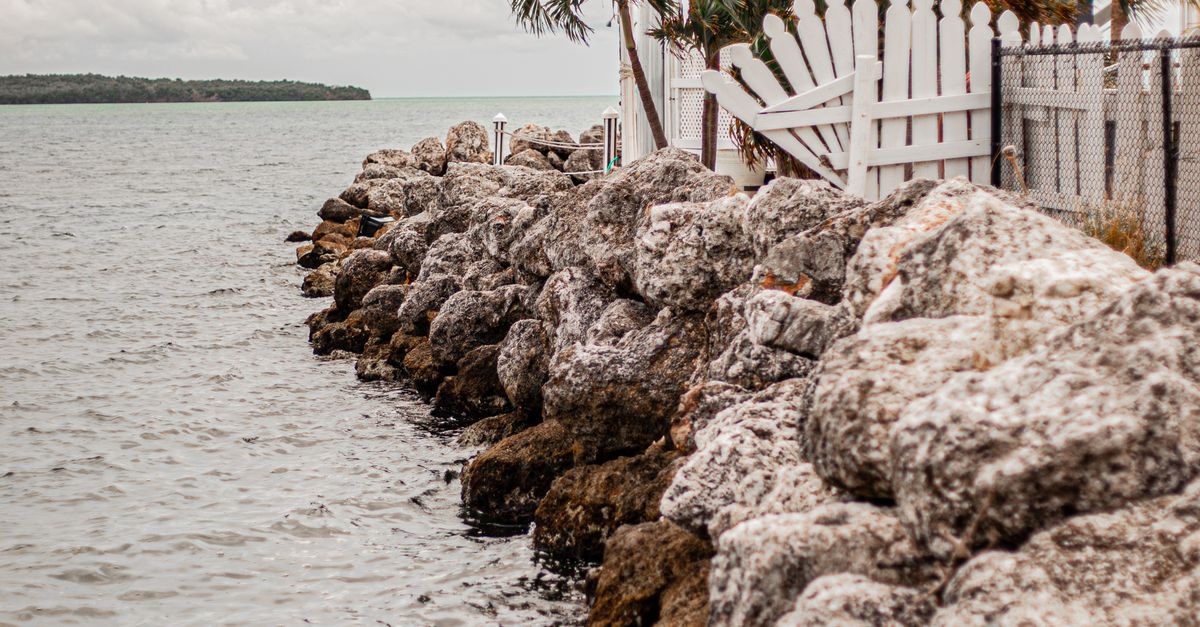
Property Owners Face Steep Fines and Forced Removal of Illegal Shoreline Structures
Recent state enforcement actions have levied nearly $2 million in fines against North Shore homeowners for the installation of unpermitted shoreline armoring. Three property owners are now in the process of removing these illegal structures from their Rocky Point properties, a move precipitated by significant financial penalties and the clear directive from the Hawaii Department of Land and Natural Resources
This development underscores a period of intensified regulatory oversight and enforcement concerning coastal development and environmental protection in Hawaii. Property owners who have undertaken or plan to undertake shoreline modifications must understand the escalating risks and financial implications of proceeding without proper authorization.
Who's Affected
Real Estate Owners
Coastal property owners, particularly those on the North Shore and other erosion-prone areas, are directly impacted by these enforcement actions. The fines totaling nearly $2 million represent a significant financial burden for the involved parties, directly impacting their net worth and property equity. Beyond the immediate fines, these owners will incur costs associated with the removal of the unpermitted structures. Furthermore, the failure to comply with state regulations can lead to ongoing interest accrual on the fines, escalating legal fees, and potential court-ordered injunctions or mandatory removal, all of which degrade property value and marketability. Future development plans for coastal properties will need to incorporate the cost and timeline of obtaining necessary permits for any shoreline-related construction, which may now be subject to more rigorous review.
Investors
Real estate investors, including those focused on beachfront properties, luxury estates, or development projects in coastal zones, face increased due diligence requirements. The near $2 million in fines highlights a heightened enforcement environment, meaning that properties with undeclared or unauthorized shoreline structures carry significant potential liabilities. Investors must now factor in the possibility of discovering such non-compliance during property assessments, which could derail transactions or necessitate substantial capital reserves for remediation and fines. For portfolio managers, this signals a need to review existing holdings for similar violations and to update risk assessments for coastal real estate investments. The precedent set by these fines could also influence insurance premiums and the availability of financing for properties with questionable shoreline armoring.
Second-Order Effects
The strict enforcement against illegal shoreline armoring, while directly addressing environmental concerns, can have broader economic ripples:
- Increased Permitting Costs & Delays: Heightened scrutiny of shoreline development applications by agencies like the Office of Conservation and Coastal Lands (OCCL) will likely lead to longer review times and potentially higher consultation or study expenses for property owners seeking permits.
- Development Slowdown & Housing Supply: Extended permitting processes and increased compliance costs for coastal construction could deter new development, particularly in desirable beachfront areas, potentially constricting the supply of housing and commercial spaces.
- Insurance & Financing Challenges: Properties with unpermitted or non-compliant shoreline structures may face difficulty securing or maintaining property insurance and obtaining favorable financing terms, increasing the overall cost of ownership and investment.
What to Do
For Real Estate Owners:
Act Now: If you own property with shoreline structures (e.g., seawalls, revetments, groins) that were constructed without permits from the Hawaii Department of Land and Natural Resources (DLNR) or the Office of Conservation and Coastal Lands (OCCL), you must take immediate steps to resolve the situation.
- Assess Your Situation: If you have received a notice of violation or find yourself in a similar situation to the North Shore homeowners, immediately consult the official notices from DLNR. Understand the specific violations and the cumulative fines assessed.
- Initiate Removal or Legal Resolution: The most direct path to resolving fines for unpermitted structures is their removal. Engage qualified contractors experienced in coastal construction and environmental remediation to safely and legally dismantle the armoring.
- Negotiate with DLNR: Work directly and proactively with DLNR officials. Explore options for payment plans for accrued fines and interest. Demonstrating a commitment to compliance, such as commencing removal procedures, can be a factor in final penalty negotiations.
- Secure Necessary Permits for Future Work: If any shoreline modification is necessary for property protection or is part of a development plan, engage with DLNR and OCCL early in the planning process to understand permitting requirements, environmental impact assessments, and long-term management plans.
- Consult Legal Counsel: Given the significant financial implications, seek advice from legal counsel specializing in Hawaii land use and environmental law to navigate the complexities of fines, removal orders, and potential appeals.
Deadline for Action: There is no explicit deadline provided by the source article for all such properties, but outstanding fines accrue interest daily. Delaying action will only increase the total financial liability. Proactive engagement and commencement of removal are critical to mitigating further penalties and legal escalation.
For Investors:
Watch & Due Diligence: While direct action may not be immediately required for all investors, enhanced diligence is paramount.
- Strengthen Property Due Diligence: For any coastal property acquisition, explicitly include a review of shoreline armoring and associated permits as a critical part of the due diligence checklist. Engage environmental consultants and legal experts to verify compliance.
- Review Portfolio Risk: Assess existing coastal real estate holdings for any unpermitted shoreline structures. Understand the potential liabilities and the regulatory environment in the specific jurisdiction (state, county) of each property.
- Factor in Compliance Costs: When modeling returns for coastal developments or acquisitions, incorporate potential costs for permit acquisition, environmental reviews, and the remote possibility of remediation or fines related to shoreline modifications.
- Monitor Regulatory Trends: Stay informed about DLNR and OCCL enforcement activities and policy updates regarding coastal development and shoreline protection. This will help anticipate future regulatory shifts and their impact on investment strategies.
Timeline for Action: Ongoing. Enhanced due diligence should be implemented for all future transactions involving coastal properties. Portfolio reviews should be conducted as part of regular risk management cycles.