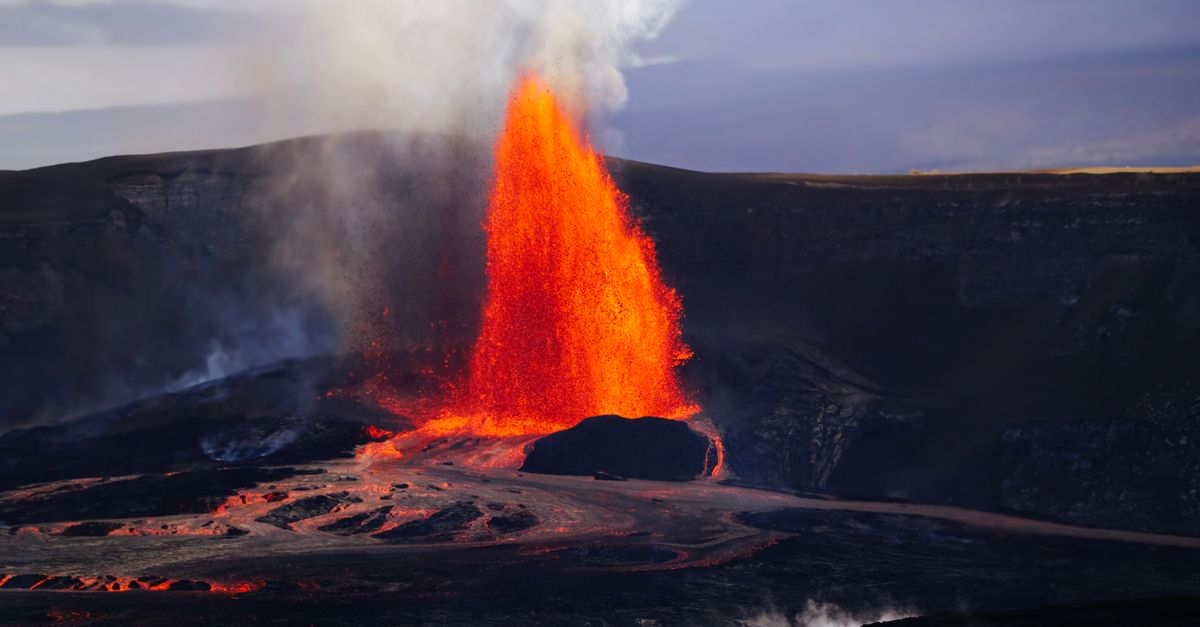
Kīlauea Summit Eruption Unleashes Tephra Across Districts
On January 24, 2026, Kīlauea's summit eruption entered a phase of heightened activity, characterized by powerful lava fountains reaching approximately 1475 feet. These energetic bursts, combined with prevailing easterly and northerly winds, resulted in a significant tephra (volcanic rock fragments) fall event. The affected areas include the District of Puna, the South Hilo district, and the eastern edge of the Kaʻū district. While the event's intensity has subsided, the potential for intermittent ashfall and tephra accumulation remains a concern for businesses operating within these specific geographic zones.
Who's Affected?
Businesses in Puna, South Hilo, and eastern Kaʻū must assess the immediate operational and safety implications of this tephra fall.
-
Agriculture & Food Producers: Farmers and ranchers in the direct path of tephra fall face potential crop damage from abrasion and ash coating, which can inhibit photosynthesis. Aquaculture operations could experience water quality degradation and stress on fish stocks. Livestock may require additional feed and water to mitigate the effects of ash ingestion. Proximity to agricultural lands in Puna and South Hilo necessitates vigilance regarding contamination of harvested produce intended for sale or processing.
-
Healthcare Providers: Clinics and medical facilities located in the directly impacted zones should prepare for potential disruptions. Tephra accumulation on roads could impede patient transportation, emergency services access, and staff commute. Air quality degradation may also affect patients with respiratory conditions. While telehealth infrastructure is generally robust, localized power grid reliability could be a minor concern during periods of heavy ashfall.
-
Small Business Operators: Retail shops, restaurants, and service-based businesses in Puna and South Hilo could experience direct impacts. Roofs and outdoor equipment are susceptible to damage from accumulating tephra. Air quality concerns might deter foot traffic. Businesses relying on deliveries could face logistical delays if roads become hazardous or impassable due to ash. Deep cleaning of premises may be required.
-
Real Estate Owners: Property owners and managers should anticipate potential damage to roofs, gutters, and HVAC systems from tephra accumulation. Increased cleaning costs for properties, both residential and commercial, are likely. Areas with older roofing materials may be particularly vulnerable to stress. Landlords should communicate with tenants regarding safety precautions and potential access issues.
-
Remote Workers: Individuals working remotely from affected areas should be aware of localized air quality impacts. While generally not as severe as ashfall from larger eruptions, fine tephra particles can still cause respiratory irritation. Commuting, if necessary, may be subject to delays due to reduced visibility or hazardous road conditions. Ensuring home workspaces are well-sealed can mitigate indoor air quality concerns.
Second-Order Effects
Localized tephra fall, while not a statewide crisis, can trigger several cascading effects within Hawaii's unique economic ecosystem:
- Localized agricultural disruption → Reduced local supply of produce → Increased reliance on imports → Higher food prices for consumers statewide
- Road closures/delays in affected districts → Increased transportation costs for goods → Higher operating expenses for businesses unable to detour → Potential price increases for consumers
- Minor property damage & cleaning costs → Increased demand for local repair and cleaning services → Short-term boost for these specific service sectors, but potential strain on resources
What to Do
Businesses in affected areas should monitor conditions and implement preparedness measures. The primary focus is on operational continuity and safety.
-
Agriculture & Food Producers: Monitor ashfall advisories from the Hawaiʻi Volcanoes National Park and civil defense. Secure irrigation systems and consider temporary covers for sensitive crops or aquaculture ponds if heavy fall is predicted. Have a plan for cleaning harvested produce. Ensure livestock have access to clean water and feed, separated from ash-contaminated areas.
-
Healthcare Providers: Review emergency transport protocols and identify alternative routes if primary roads are affected. Ensure staff have clear communication channels regarding potential commute challenges. Stock essential supplies anticipating minor disruptions. Communicate any potential appointment rescheduling to patients proactively.
-
Small Business Operators: Inspect roofs and gutters for potential damage post-event or if heavy accumulation is forecast. Ensure HVAC systems are properly filtered and maintained. Communicate with delivery providers about potential delays. Advise employees on safe commuting conditions and to stay informed via local advisories.
-
Real Estate Owners: Identify and mitigate potential roof drainage issues caused by tephra buildup. Schedule property inspections if significant accumulation occurs. Inform tenants of any necessary safety precautions or access changes.
-
Remote Workers: Stay informed of local air quality and road conditions through County of Hawaiʻi Civil Defense messages. Consider using air purifiers or keeping windows closed if air quality is poor. Have a contingency plan for essential errands or work-related travel.
Action Details: Monitor daily updates from Hawaiʻi Volcanoes National Park and County of Hawaiʻi Civil Defense concerning tephra fall intensity and affected areas. If ashfall advisories are issued directly impacting your operational location, implement your business's established disaster preparedness and continuity plans, which may include temporary closure, adjusted operating hours, or enhanced cleaning protocols for properties and equipment.


