Puna & South Hilo Businesses Face Immediate Operational Risks from Tephra Fall Event
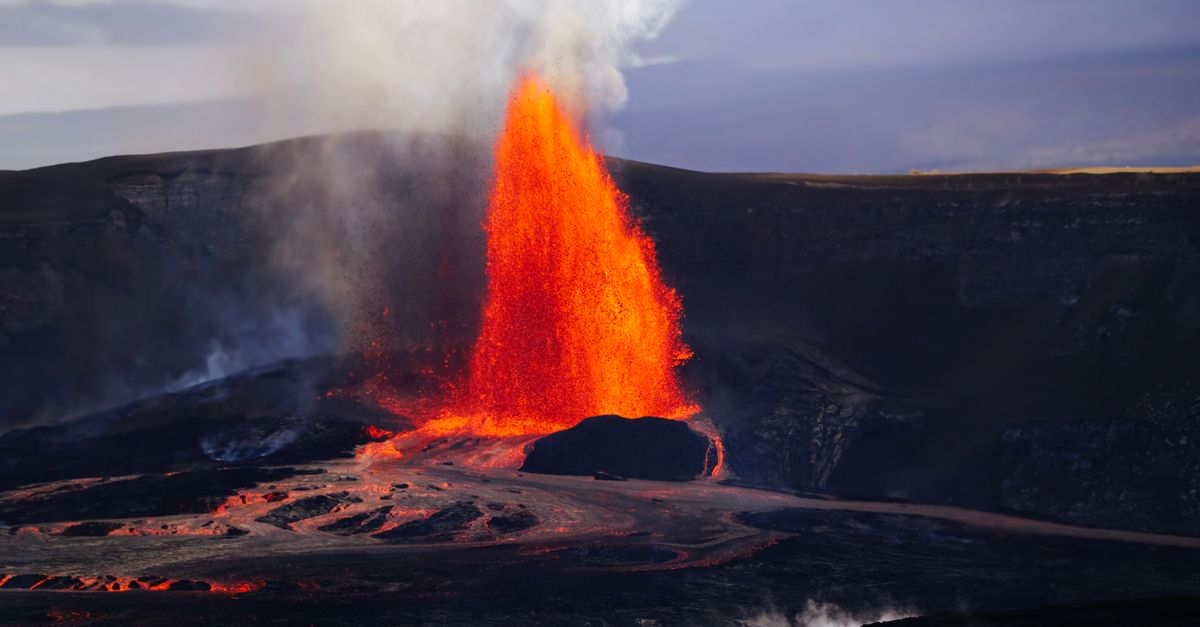
The immediate aftermath of Kilauea's Episode 41 eruption on January 24, 2026, which produced significant tephra fall, requires businesses in the affected Puna, South Hilo, and eastern Ka'u districts to enact emergency response and damage assessment protocols. Lava fountains reaching heights of at least 1,475 feet propelled tephra (volcanic rock fragments) eastward and northward, impacting these business-heavy regions. While the immediate eruption phase may have subsided, the consequences of this tephra fall, including potential property damage, health hazards, and operational disruptions, demand prompt attention from business owners.
Who's Affected
Small Business Operators (small-operator): Businesses in Puna, South Hilo, and eastern Ka'u face direct operational challenges. Tephra accumulation on roofs can lead to structural stress and water damage if it mixes with rain. Air quality can be significantly degraded by fine ash particles, posing health risks to employees and customers, and requiring closures or enhanced ventilation and filtration systems. Outdoor seating areas for restaurants, retail storefronts, and service-based operations may need immediate cleaning and repair. Machinery and outdoor equipment can be damaged by abrasive ash.
Real Estate Owners (real-estate): Property owners, landlords, and property managers in the affected zones must assess their real estate assets for damage. Tephra, especially when wet, can accumulate significantly, stressing roofs and gutters. Driveways, parking lots, and building exteriors may require extensive cleaning. Insurance policies should be reviewed immediately for coverage related to volcanic activity and ash damage. Reduced accessibility or perceived risk could impact property desirability and rental income in the short term.
Tourism Operators (tourism-operator): Hotels, tour companies, vacation rental managers, and hospitality businesses in Puna and South Hilo should anticipate disruptions. Visitor experiences can be negatively impacted by poor air quality, limited outdoor activities, and cleanup efforts. Road closures or disruptions due to ash accumulation could affect transportation logistics for tours and visitor arrivals. It is crucial to communicate proactively with guests regarding safety measures and potential impacts on their stay. Reputational damage can occur if safety and cleanliness are not efficiently managed.
Agriculture & Food Producers (agriculture): Farms, ranches, and food producers in the tephra fall path are at high risk. Tephra can bury crops, damage delicate plants, and contaminate grazing lands. Livestock may suffer respiratory issues or ingest harmful ash. Equipment used in fields can be abraded and damaged. Processing facilities may face ash contamination issues, requiring enhanced cleaning and quality control measures. Transportation of goods could be delayed due to road impacts and reduced visibility.
Second-Order Effects
The widespread tephra fall, while localized in its direct deposition, can trigger a cascade of secondary economic impacts on Hawaii's island economy. Initial property damage and cleanup costs for small businesses and real estate owners will increase operating expenses. This could lead to reduced profitability, potentially impacting staffing levels or necessitating price increases for goods and services. For tourism operators, a perceived increase in volcanic risk or actual disruptions can lead to decreased visitor bookings, affecting a critical sector of the state's economy. Furthermore, disruptions to agricultural output not only affect local food supply chains but can also strain consumer budgets if imported alternatives become more expensive due to logistical challenges. The cumulative effect of these localized events can strain local supply chains for repair services, cleaning crews, and specialized equipment throughout the surrounding districts, potentially delaying recovery efforts and exacerbating financial hardship.
What to Do
Due to the immediate nature of potential damage and health risks associated with tephra fall, business owners in Puna, South Hilo, and eastern Ka'u must act now.
Small Business Operators:
- Prioritize Safety: Ensure all employees are aware of air quality risks and have access to respiratory protection (N95 masks or better) if working outdoors or in poorly ventilated areas. Monitor air quality advisories from Hawaii County Civil Defense Agency.
- Assess Property Damage: Conduct an immediate visual inspection of roofs, gutters, HVAC systems, windows, doors, and any outdoor equipment for tephra accumulation and damage.
- Initiate Cleanup: Begin cleaning accessible areas to prevent water ingress and structural damage, focusing on clearing gutters and drains. Engage professional cleaning services for immediate assistance if debris is substantial.
- Review Insurance: Contact your insurance provider to understand your policy's coverage for volcanic damage and to initiate claims for any identified losses.
- Operational Adjustments: If air quality is poor or cleanup is ongoing, consider temporary adjustments to operating hours or shifting to remote work where feasible. Ensure ventilation systems are functional and filters are checked/cleaned.
Real Estate Owners:
- Inspect Properties: Physically inspect all properties for tephra accumulation, particularly on roofs, in gutters, and around drainage systems. Prioritize multi-unit buildings and commercial spaces.
- Prevent Water Damage: Clear debris from gutters and downspouts immediately to prevent water pooling and potential roof leaks or structural compromise.
- Communicate with Tenants: Inform tenants about potential risks and cleanup procedures. Provide guidance on protecting their personal property and mitigating ash entry into their living or workspaces.
- Document Damage: Take clear photographic or video evidence of any damage for insurance claims. Maintain detailed records of all cleanup and repair expenses.
- Engage Professionals: For significant accumulation or structural concerns, engage qualified roofing contractors and structural engineers promptly.
Tourism Operators:
- Assess Operational Impact: Evaluate how tephra fall is affecting immediate tour routes, visitor access to attractions, and the general ambiance of your service area.
- Guest Communication: Proactively inform current and future guests about the situation, any potential disruptions, and the safety measures being implemented. Offer flexibility for cancellations or rescheduling if necessary.
- Enhance Cleaning Protocols: Increase the frequency of cleaning for all guest areas, vehicles, and equipment to manage ash and maintain hygiene standards.
- Monitor Air Quality: Stay updated on local air quality reports from Hawaii County Civil Defense Agency and adjust outdoor activities accordingly.
- Review Cancellation Policies: Ensure your cancellation and modification policies are clear and fair given the extraordinary circumstances.
Agriculture & Food Producers:
- Protect Livestock: Ensure livestock have access to clean water and feed, and monitor them for any signs of respiratory distress. Consider sheltering animals if ashfall is heavy.
- Inspect Crops and Land: Visually inspect fields for tephra accumulation. Assess the depth and potential for crop damage or burial.);
- Halt Field Operations: Suspend field operations if visibility is low or ashfall is heavy to prevent damage to equipment and protect workers.
- Secure Processing Facilities: Implement enhanced cleaning and dust control measures in food processing and storage areas to prevent contamination.
- Assess Transportation: Check road conditions and visibility with Hawaii Department of Transportation before attempting to transport goods.
Source Authority: This briefing synthesizes information from the Hawaii Tribune-Herald regarding the specific tephra fall event, and general emergency response protocols for volcanic hazards in Hawaii, drawing on guidance typically provided by agencies like the USGS Hawaiian Volcano Observatory and Hawaii County Civil Defense Agency.