Record Gold Prices Prompt Portfolio Rebalancing and Property Value Caution for Investors and Owners
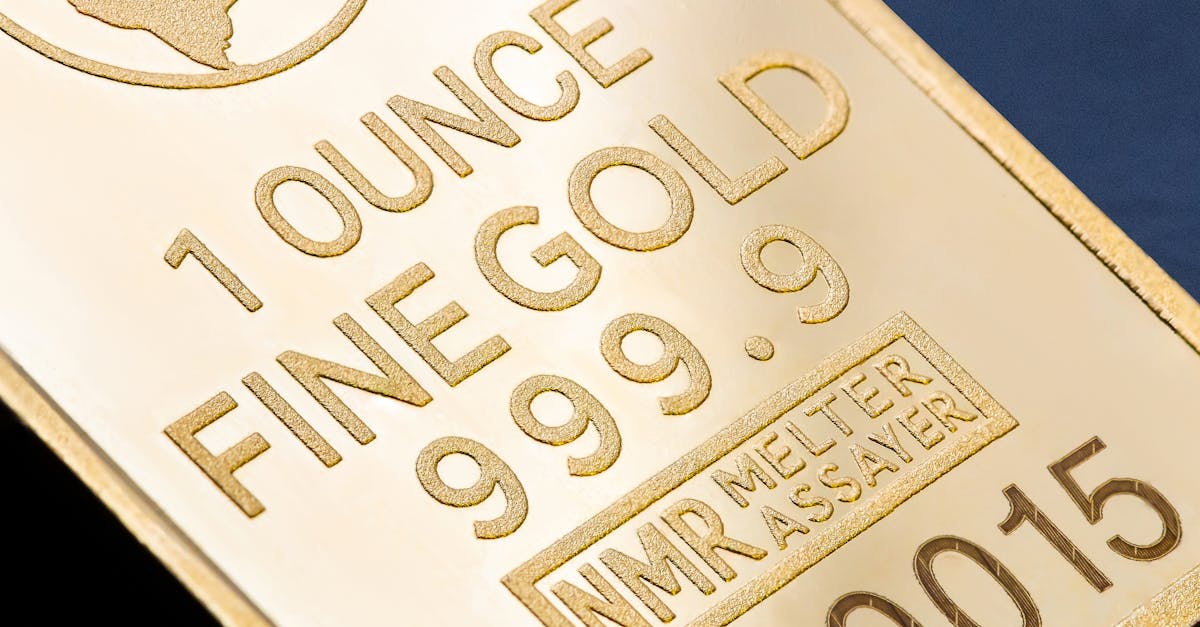
Global economic and geopolitical uncertainties have pushed gold prices to a record $4,641, signaling a shift towards safe-haven assets. Investors and real estate owners should monitor this trend for potential impacts on asset allocation and property market valuations over the next 30-90 days.
- Investors: Consider re-evaluating portfolio diversification as gold's appeal grows.
- Real Estate Owners: Be aware of potential indirect impacts on speculative investment flows.
- Action: Monitor key economic indicators and gold price volatility for opportune portfolio adjustments.
The Change
As of January 14, 2026, the price of gold has surged to an unprecedented $4,641 per ounce. This movement is driven by a confluence of factors including persistent geopolitical tensions and broader economic uncertainty, which are causing investors to flock to traditional safe-haven assets. Expectations of potential Federal Reserve interest rate cuts have further amplified this trend, making gold an increasingly attractive store of value.
Who's Affected
Investors
For investors, particularly those managing portfolios that include precious metals or seeking inflation hedges, the record gold price necessitates a review of asset allocation strategies. The current market environment suggests that traditional riskier assets may be perceived as less stable, leading to potential capital shifts. This could influence venture capital and angel investor decisions, as well as traditional portfolio managers' rebalancing activities. Owners of real estate investment trusts (REITs) or those invested in commodity-linked assets might see fluctuations or shifts in market sentiment.
Real Estate Owners
While the direct impact on Hawaii's real estate market may be less immediate, sustained high gold prices can indirectly affect property values and investment flows. In periods of economic uncertainty, capital that might have otherwise flowed into speculative real estate developments or acquisitions could be diverted to assets like gold. This doesn't necessarily mean immediate price drops, but it could temper the pace of new investment or lead to more cautious underwriting for commercial properties, particularly those reliant on foreign or speculative capital. Developers securing financing might face slightly tighter lending conditions if the overall investment climate remains risk-averse.
Second-Order Effects
Sustained high demand for safe-haven assets like gold, driven by global uncertainty, can lead to a broader risk-off sentiment. This may manifest as reduced foreign direct investment into sectors beyond perceived safe havens, potentially slowing the pace of new development or expansion in Hawaii's real estate market. A diversion of capital towards gold could also mean less available funding for nascent technology startups or other entrepreneurial ventures, impacting Hawaii's emerging business sectors. Furthermore, if the underlying economic uncertainties also lead to increased inflation globally or locally, it could exacerbate cost-of-living pressures for residents, indirectly affecting the labor market and demand for consumer goods and services.
What to Do
Investors
Action: Monitor gold price trends and related economic indicators, such as inflation rates, geopolitical risk indices, and Federal Reserve policy statements. Consider re-evaluating your portfolio's diversification. If your allocation to precious metals is below your target for hedging against economic downturns, consider a moderate increase. Watch for any significant shifts in the flow of capital away from equities or into commodities, which could signal broader market sentiment changes. A sustained price above $4,500 for gold for over 60 days could be a trigger to formally reassess your strategic asset allocation.
Real Estate Owners
Action: While direct impact is minimal, remain aware of shifts in investment capital. Observe trends in commercial property financing and speculative development activity. If capital continues to flow strongly into gold and away from other asset classes for an extended period (over 90 days of sustained high gold prices), be prepared for potentially slower appreciation in speculative property segments or a more cautious approach from institutional investors. Focus on properties with strong fundamentals and stable rental income, which tend to be more resilient in uncertain economic environments. No immediate action is required, but incorporate this market sentiment into long-term strategic planning for property acquisition and development.


