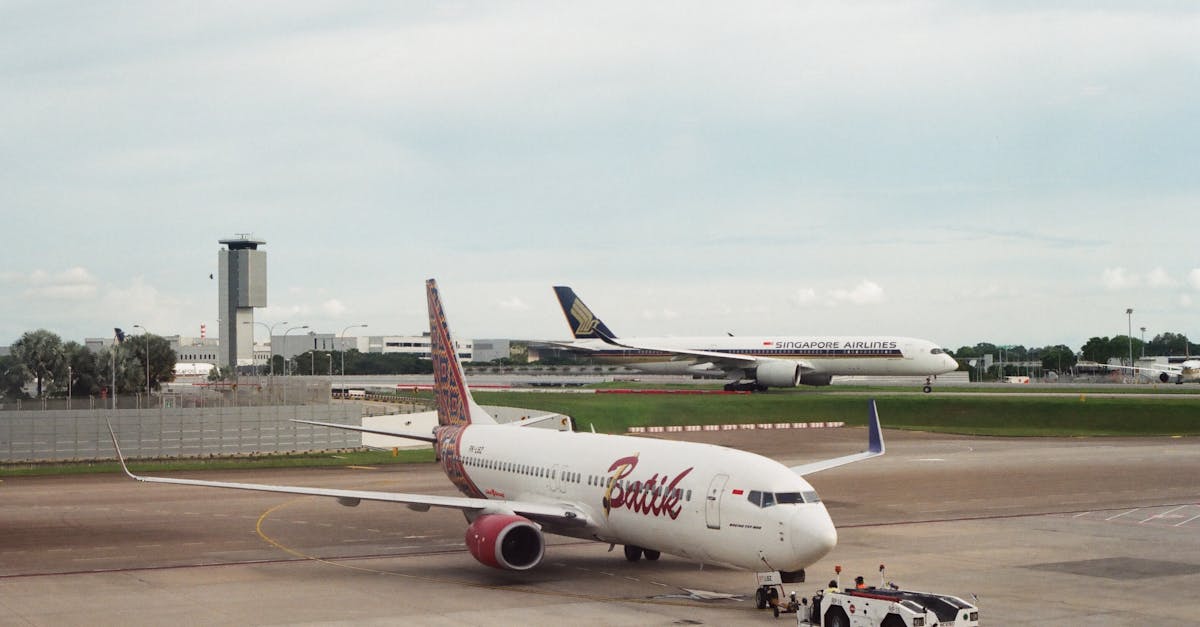
The Change: Fewer Economy Seats on Hawaii Flights
Airlines are increasingly reconfiguring their aircraft, particularly widebody jets serving Hawaii, to accommodate more premium seating options (first class, business class, premium economy) at the expense of standard economy seats. This shift, expected to be fully implemented across major carriers on Hawaii routes over the next 18-24 months, means a significant reduction in the total number of economy tickets available per flight. This redesign is driven by a strategy to maximize revenue per available seat mile (RASM) by catering to a higher-paying clientele, a trend already observed on transpacific routes elsewhere.
Who's Affected?
Tourism Operators (Hotels, Tour Companies, Vacation Rentals)
Impact: Expect fewer overall visitors if airfare costs rise significantly. The composition of the visitor market may shift towards higher-spending individuals. This could lead to lower occupancy rates for mid-range and budget accommodations if inbound demand decreases, while premium offerings might see sustained or increased demand. Reduced capacity could also put upward pressure on package tour prices.
Small Business Operators (Restaurants, Retail, Services)
Impact: A reduction in the volume of price-sensitive tourists could mean less foot traffic for businesses catering to a mass market. While incoming visitors might spend more per person, the overall decrease in visitor numbers could negatively impact revenue for businesses dependent on high-volume traffic. Furthermore, the cost of importing goods, which often comes via passenger flights as belly cargo, may increase if more cargo space is dedicated to premium passenger amenities or if freight rates rise due to lower overall capacity.
Real Estate Owners (Landlords, Developers)
Impact: The long-term viability of commercial real estate in heavily tourism-dependent areas could be affected. If visitor numbers decline and spending patterns shift significantly, demand for retail spaces, certain types of restaurants, and rental markets catering to lower and mid-tier visitors may weaken. Conversely, demand for luxury accommodations and services might increase.
Investors
Impact: Investors should re-evaluate portfolios that are heavily weighted towards businesses or properties reliant on mass tourism. There may be a need to pivot towards businesses that cater to a higher-spending demographic or those with diversified revenue streams. The overall attractiveness of Hawaii as an investment destination might be recalibrated based on the evolving tourism landscape and its implications for the broader economy.
Second-Order Effects
- Reduced Economy Seat Availability → Increased Airfare Prices: Higher ticket costs make Hawaii less accessible for budget travelers, potentially leading to a decrease in overall visitor volume. This could exacerbate labor shortages by reducing the pool of available workers from off-island, and simultaneously increase the cost of living for local residents due to higher prices for imported goods.
- Shift to Premium Travel → Increased Per-Visitor Spending, but Lower Volume: Businesses that cater to higher-spending tourists may see increased revenue per customer, but businesses that rely on high-volume traffic could struggle. This uneven distribution of economic impact could lead to wider income disparities within the local workforce.
- Reduced Air Cargo Capacity → Higher Import Costs: Fewer economy seats mean less belly cargo space on flights. This could increase the cost of goods shipped to the islands, impacting small businesses and potentially increasing consumer prices across the board.
What to Do
Tourism Operators
Action: Monitor airline route announcements and new seat configurations closely. Begin analyzing current pricing strategies and customer demographics. If load factors for premium seats increase significantly and economy fares consistently rise above historical averages, consider adjusting package pricing and marketing to target higher-spending visitor segments. Prepare for potentially reduced overall visitor numbers by focusing on customer retention and higher-value experiences.
Small Business Operators
Action: Review your current customer base and sales data to understand reliance on price-sensitive tourists. If your business caters to a broad tourist market, assess the potential impact of reduced visitor volume. Explore opportunities to enhance the value proposition for higher-spending visitors or to diversify your customer base to include more local residents. Begin evaluating supply chain resilience and potential cost increases for imported goods.
Real Estate Owners
Action: For commercial landlords, assess long-term lease agreements and tenant viability in tourism-heavy zones. Consider the potential for vacancies or reduced tenant sales. For residential landlords, monitor the rental market for shifts in demand based on the changing visitor economy.
Investors
Action: Review investment portfolios. If heavily exposed to businesses that cater to mass tourism or rely on high visitor volume, consider diversification strategies. Look for opportunities in sectors that benefit from higher per-visitor spending or that serve local demand, and assess the long-term sustainability of businesses reliant on affordable air travel.
Watchlist Conditions:
- Monitor Airline Pricing: Track average round-trip economy airfares to Honolulu and Maui from major West Coast gateways (LAX, SFO, SEA) and key East Coast gateways (NYC, ORD). If average economy fares consistently exceed pre-pandemic highs (adjusted for inflation) by more than 10% for three consecutive months, it signals a significant squeeze on budget travel.
- Track Visitor Arrivals Data: Observe monthly visitor statistics, paying attention to overall arrival numbers and breakdowns by purpose of visit or stated spending levels. A consistent decline in overall visitor volume, particularly from price-sensitive segments, should be noted.
- Observe Cargo Rates: Keep an eye on reported air cargo rates for Hawaii. If airlines begin to announce reduced belly cargo capacity or increased freight charges, it will confirm the impact of seat reconfiguration on goods transport.
If any of these indicators show a sustained, significant deviation from current trends (e.g., airfares up 15% for 6 months straight, visitor arrivals down 5% year-over-year for two quarters), businesses should consider implementing more aggressive cost-saving measures or pivoting their business models.


