


The Change
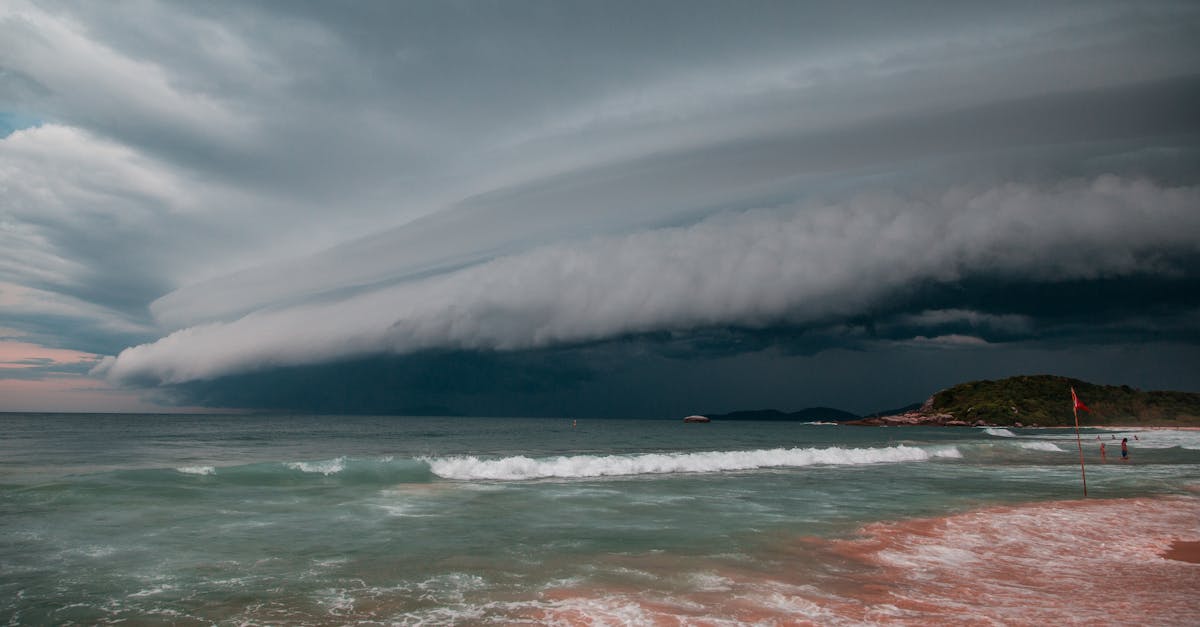
Emergency management officials are issuing heightened alerts for a second Kona low-pressure system anticipated to affect the Hawaiian Islands within the next 48-72 hours, following closely on the heels of recent severe weather. This system is forecasted to bring heavy rainfall, potential flash flooding, high winds, and rough surf particularly to the western and northern sides of the islands. The immediate implication is a heightened risk of significant disruptions to transportation, communication, and essential services, demanding proactive preparation from businesses across all sectors.
Who's Affected
Small Business Operators (small-operator)
Businesses relying on just-in-time inventory, such as restaurants and retail shops, should anticipate potential stockouts lasting 2-5 days (or longer if storm severity increases). Utility disruptions (power, internet) are probable, impacting point-of-sale systems, communication, and operational capacity. Staffing may become a challenge due to travel difficulties or personal safety concerns, potentially leading to reduced operating hours or temporary closures. Prepare for increased operating costs associated with emergency supplies, potential overtime for staff, and lost revenue during closures.
Real Estate Owners (real-estate)
Property owners and landlords need to assess and mitigate risks associated with wind damage, heavy rainfall, and potential flash flooding. This includes ensuring drainage systems are clear, securing outdoor property elements, and preparing for potential power outages that could affect tenants. Building owners in flood-prone areas should review their emergency protocols and insurance coverage. Developers may face temporary work stoppages if sites become inaccessible or unsafe.
Tourism Operators (tourism-operator)
Hospitality businesses, including hotels, tour operators, and vacation rental managers, are at high risk of immediate booking cancellations and postponements due to flight disruptions and traveler advisories. The rough surf and potential for hazardous conditions can lead to the cancellation of ocean-based tours and activities. Airlines may experience significant delays or cancellations, impacting visitor arrivals and departures. Emergency preparedness plans should include communication strategies for guests regarding safety and potential impacts on their itineraries.
Agriculture & Food Producers (agriculture)
Farmers, ranchers, and food producers are particularly vulnerable. Heavy rains can lead to crop damage, soil erosion, and waterlogged fields, making harvesting impossible and potentially leading to spoilage of perishable goods. Livestock may also be at risk. Access to farms for harvesting, as well as outbound logistics for distribution and export, could be severely hampered for several days. Producers should secure any vulnerable crops, consider emergency harvesting if conditions permit without compromising safety, and protect livestock.
Second-Order Effects
- Supply Chain Strain: Disruptions to inter-island and inbound shipping due to weather will exacerbate existing supply chain fragility, leading to higher costs for imported goods. This will directly impact inventory levels for small businesses and increase the cost of goods sold, potentially forcing price increases that affect consumer spending.
- Tourism Downturn: Flight cancellations and traveler advisories will cause an immediate dip in visitor arrivals. This reduces demand for accommodation, dining, and activities, leading to lost revenue for tourism operators and a potential short-term decrease in demand for labor within the sector, which could indirectly impact wage pressures.
- Infrastructure Stress: Repeated severe weather events place additional stress on already aging infrastructure (roads, power grids, water systems). Extended outages or damage could necessitate costly repairs, increasing utility costs and potentially impacting the long-term viability of businesses in highly affected areas.
What to Do
Action Level: ACT-NOW
Small Business Operators:
- Immediate Action (within 24 hours): Review your business continuity plan. Secure inventory, especially perishable goods. Ensure backup power sources are ready if applicable. Communicate potential impacts to staff and customers. Consider pre-ordering essential supplies to buffer against stockouts.
- Next 72 Hours: Monitor weather advisories closely. Implement remote work options for non-essential staff if feasible. Prepare for potential extended operating hours or temporary closure depending on storm severity and local advisories.
Real Estate Owners:
- Immediate Action (within 24 hours): Inspect properties for potential vulnerabilities (e.g., loose roofing, clogged drains, unsecured outdoor items). Ensure tenants are aware of safety procedures and emergency contact information. Fuel any necessary backup generators.
- Next 72 Hours: Be prepared to respond to weather-related damages and requests for assistance immediately following the storm. Have contacts for repair services readily available.
Tourism Operators:
- Immediate Action (within 24 hours): Contact all upcoming guests to inform them of potential disruptions and cancellation/rescheduling policies. Work with airlines and transportation providers to monitor flight schedules and advise guests accordingly. Secure outdoor areas and reduce non-essential services if weather dictates.
- Next 72 Hours: Have staff ready to assist guests who may be stranded or affected by cancellations. Prepare for a backlog of rebookings and adapt staffing to accommodate potential demand shifts post-storm.
Agriculture & Food Producers:
- Immediate Action (within 24 hours): Harvest any mature crops that can be safely collected before the storm hits. Secure livestock and ensure they have adequate shelter. Protect vulnerable crops with coverings or by bringing them indoors if possible. Ensure drainage systems are clear. Check fuel levels for any essential equipment.
- Next 72 Hours: Assess damage once weather permits safe access. Document any losses for insurance claims. Monitor soil conditions for readiness to resume planting or harvesting activities.


