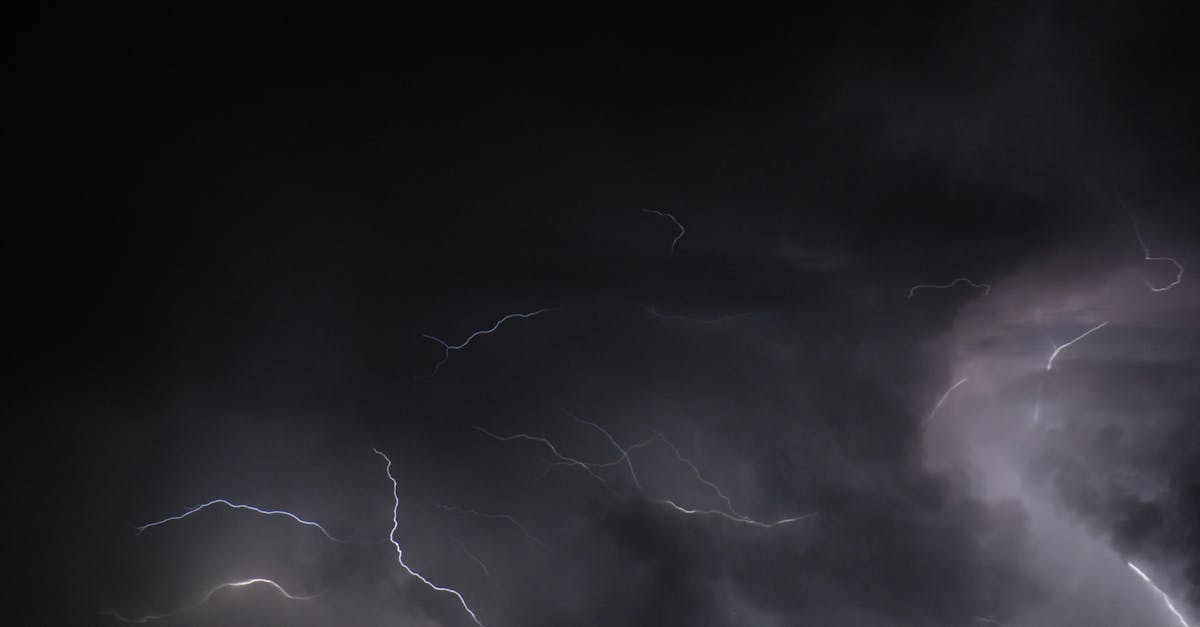
Severe Weather Threatens Operations and Revenue Across Hawaii
Hawaii is currently experiencing significant disruptions due to severe weather, characterized by high winds, threats of flooding, and widespread power outages. These conditions, expected to persist through Monday, are forcing statewide closures and advisories, directly impacting business operations, supply chains, and employee safety. Immediate attention to business continuity and disaster preparedness is critical to mitigate financial losses and ensure operational resilience.
Hawaii News Now and other local news outlets are reporting on the extent of the closures and advisories, emphasizing the need for public safety and preparedness. The current weather system is not typical for the season and presents unique challenges for an island economy reliant on stable infrastructure and transportation.
Who's Affected
Small Business Operators
Small businesses, including retail shops, restaurants, and service providers, face immediate threats of temporary closure, reduced foot traffic, and potential property damage. Power outages can cripple operations, especially for businesses reliant on refrigeration, point-of-sale systems, or online orders. Employee safety is paramount, potentially leading to staffing shortages if transportation becomes hazardous or if employees are affected by outages or damage at their homes. The cumulative effect could result in a loss of 1-3 weeks of revenue, depending on the severity and duration of the weather event and the business's specific location and resilience.
Real Estate Owners
Property owners, landlords, and property managers must prepare for potential damage from high winds and flooding. This includes securing properties, communicating with tenants regarding safety measures, and anticipating repair costs. For commercial properties, business interruptions for tenants can lead to delayed rent payments. Developers may face construction delays if sites become inaccessible or unsafe.
Tourism Operators
Hotels, tour companies, and vacation rental operators are already experiencing cancellations and booking disruptions. Disruptions to inter-island and international travel due to flight cancellations or airport issues will severely impact visitor arrivals. This weather event could lead to a significant, albeit temporary, downturn in tourism activity, with recovery taking several weeks as travel itineraries are re-established.
Agriculture & Food Producers
Farmers, ranchers, and food producers are at high risk. High winds can damage crops, greenhouses, and farm structures. Flooding can lead to crop loss, soil erosion, and damage to agricultural equipment. Harvest operations may be halted, leading to spoilage and delayed deliveries. Disruption of roads and ports will further complicate getting products to market, both locally and for export.
Healthcare Providers
Clinics, private practices, and medical facilities must ensure continuity of care. Power outages can affect essential medical equipment and electronic health records. Patients may have difficulty reaching appointments due to hazardous travel conditions or closures. Telehealth providers may face challenges with internet connectivity. Emergency services will likely be strained, impacting overall healthcare system capacity.
Second-Order Effects
This severe weather event, by disrupting transportation linkages and local business operations, will likely lead to short-term spikes in the prices of essential goods as supply chains are strained. This, in turn, could increase operating costs for all businesses and raise the cost of living for residents, potentially exacerbating already tight household budgets. Restaurants and retail operations, already operating on thin margins, could see these further eroded by temporary closures and increased utility costs during recovery.
What to Do
Small Business Operators: Immediately activate your business continuity plan. Secure premises, back up critical data, and ensure communication channels with staff are open. Assess potential supply chain disruptions and communicate proactively with suppliers and customers. If operating with sensitive inventory (e.g., food service), take steps to protect against power loss and spoilage. KHON2 is a good source for ongoing advisories.
Real Estate Owners: Conduct a pre-weather assessment of properties. Secure loose outdoor items, check drainage systems, and ensure emergency supplies are available for tenants if needed. Document any damage with photographs or video immediately after the weather subsides for insurance claims.
Tourism Operators: Communicate proactively with guests regarding potential disruptions to services and travel. Offer flexible cancellation or rebooking policies. Monitor airline and ferry schedules closely and adjust staffing accordingly. The Hawaii Tourism Authority provides industry updates.
Agriculture & Food Producers: Secure all outdoor equipment and structures. Move livestock to safe, sheltered locations. Harvest vulnerable crops if safe to do so. Document crop and property damage for potential disaster relief programs. The Hawaii Department of Agriculture may offer resources or advisories.
Healthcare Providers: Ensure backup power systems are operational. Implement protocols for communicating with patients about appointment changes and telehealth alternatives. Coordinate with emergency services and other healthcare facilities regarding capacity and patient transfers.
Action Details
All Affected Roles: Prioritize safety for your employees and customers. Activate your business continuity and disaster preparedness plans immediately. Focus on securing assets, communicating vital information, and documenting all impacts for insurance and potential relief claims. Monitor official advisories from the Hawaii Emergency Management Agency}{https://www.scd.hawaii.gov/)} and local authorities for guidance on returning to normal operations.