Severe Weather Expected to Disrupt Tourism Operations and Increase Small Business Costs Across Islands
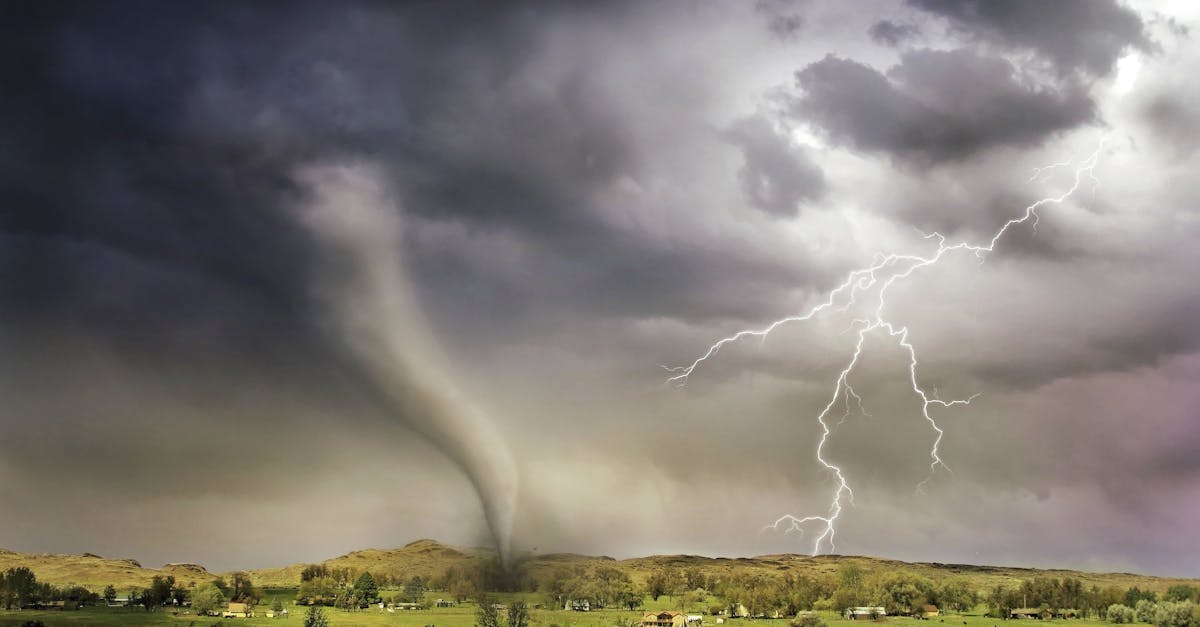
The Hawaiian Islands are currently facing a severe winter storm characterized by damaging 60 mph wind gusts, heavy high-altitude snow, and a significant threat of flash flooding along coastal areas. This event is not a typical weather pattern for Hawaii and poses immediate risks to business operations, property, and visitor services across all islands.
The Change
A powerful winter storm system has settled over the Hawaiian archipelago, bringing extreme weather conditions that began impacting the islands on February 9th, 2026, and are expected to persist. Forecasts indicate wind gusts reaching up to 60 mph, capable of causing widespread damage. Simultaneously, a high risk of flash flooding is present, particularly in coastal and low-lying areas, exacerbated by potential storm surge. These conditions are expected to disrupt travel, power, and essential services for an indeterminate period.
Who's Affected
Tourism Operators (Hotels, Tour Companies, Vacation Rentals)
Operators are facing immediate booking cancellations due to flight disruptions and safety concerns. Hotels may experience property damage from high winds and flooding, requiring costly repairs and potentially leading to temporary closures. Tour operators will likely need to cancel excursions, resulting in direct revenue loss. The immediate concern is managing customer rebookings and cancellations while ensuring the safety of both staff and guests. Post-event, the focus will shift to assessing and repairing any damage.
Small Business Operators (Restaurants, Retail, Services)
Supply chains are acutely vulnerable, with potential disruptions to incoming goods and deliveries due to high winds and flooding affecting ports and transportation routes. Businesses in coastal or flood-prone areas face direct property damage risks. Staffing could become a critical issue as employees may be unable to travel to work safely. Increased operating costs may arise from emergency repairs, temporary closures, and potential overtime pay for essential staff.
Real Estate Owners (Property Managers, Landlords, Developers)
Property owners must prioritize the securing of buildings, particularly windows, roofing, and outdoor structures, against high winds. Flood-prone properties require immediate attention to mitigate water damage. Property managers need to communicate proactively with tenants regarding safety precautions, potential service interruptions, and their responsibilities during the event. Developers should be aware that construction sites may face delays and potential damage, impacting project timelines and budgets.
Second-Order Effects
The severe weather event is likely to trigger a cascade of economic impacts within Hawaii's constrained island system. Initially, widespread flight cancellations and visitor advisories will lead to immediate revenue losses for the tourism sector. This decreased visitor spending, coupled with damaged infrastructure, will reduce demand for local goods and services, impacting small businesses. As businesses face increased operating costs due to repairs and potential supply chain interruptions, there's a risk of price increases for consumers. Furthermore, if widespread damage occurs and requires extensive rebuilding, it could strain local construction resources, potentially driving up costs for residential and commercial real estate development and maintenance, further impacting the cost of doing business and living in Hawaii.
What to Do
Tourism Operators
Act Now:
- Customer Communication: Immediately notify guests of potential disruptions to flights, activities, and hotel services. Provide clear information on cancellation and rebooking policies. Source: Hawaii Tourism Authority
- Property Securing: Secure outdoor furniture, signage, and any loose structures. Inspect roofing and windows for vulnerabilities. Prepare for potential power outages by ensuring backup systems are functional.
- Staff Safety: Implement protocols for staff safety, including work-from-home options where feasible, and clear guidelines on travel during severe weather. Ensure staff are aware of emergency procedures.
- Insurance Review: Review insurance policies for coverage related to storm damage, business interruption, and cancellations. Document any pre-existing conditions of property.
Small Business Operators
Act Now:
- Asset Protection: Secure outdoor signage, equipment, and inventory, especially for businesses in vulnerable locations. Have sandbags or other flood barriers ready if in a flood-prone area.
- Supply Chain Contingency: Contact key suppliers to understand their operational status and potential delays. Diversify immediate sourcing options if possible, though inter-island shipping may also be impacted.
- Staff Communication: Inform employees about operational status, safety protocols, and any adjustments to work schedules. Prioritize employee safety in travel decisions.
- Power Preparedness: Ensure any critical equipment has backup power or can be safely shut down. Prepare for potential extended power outages.
Real Estate Owners
Act Now:
- Property Inspection & Securing: Conduct a pre-storm inspection of properties. Secure loose items, trim trees near structures, and ensure drainage systems are clear. For flood-prone areas, consider temporary barriers.
- Tenant Communication: Proactively inform tenants about the severe weather forecast, recommended safety precautions, and emergency contact procedures. Provide guidelines on what to do during the storm.
- Damage Assessment Plan: Have a plan in place for immediate post-storm damage assessment to expedite repairs and insurance claims.
- Insurance Verification: Confirm that property insurance policies are up-to-date and cover relevant storm-related damages, including flood and wind.