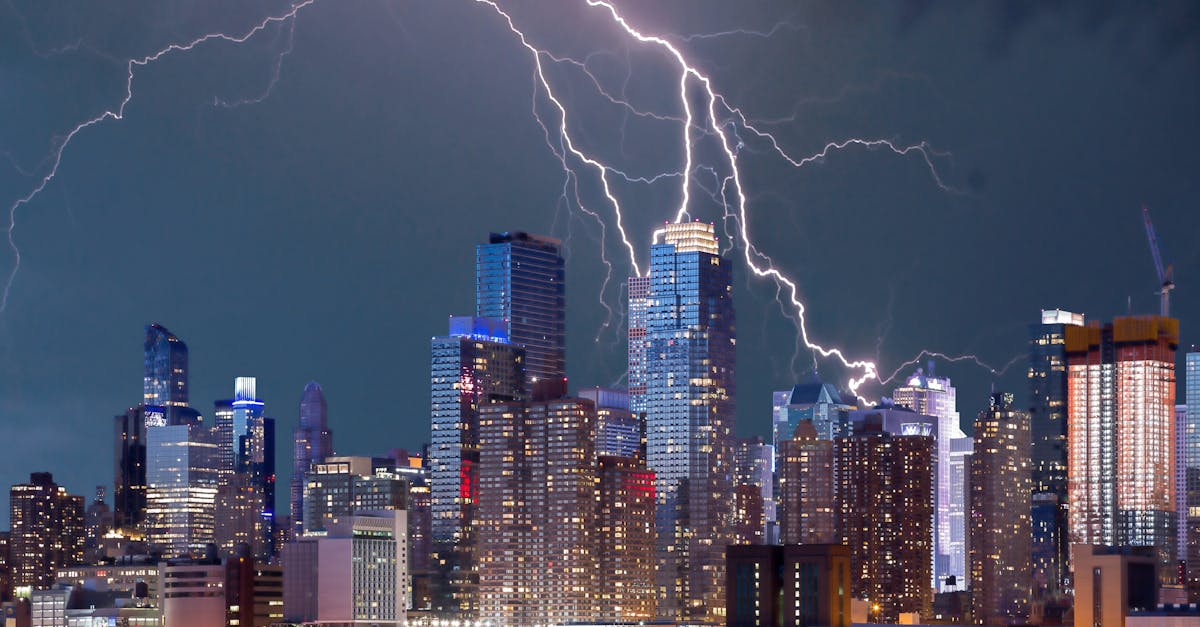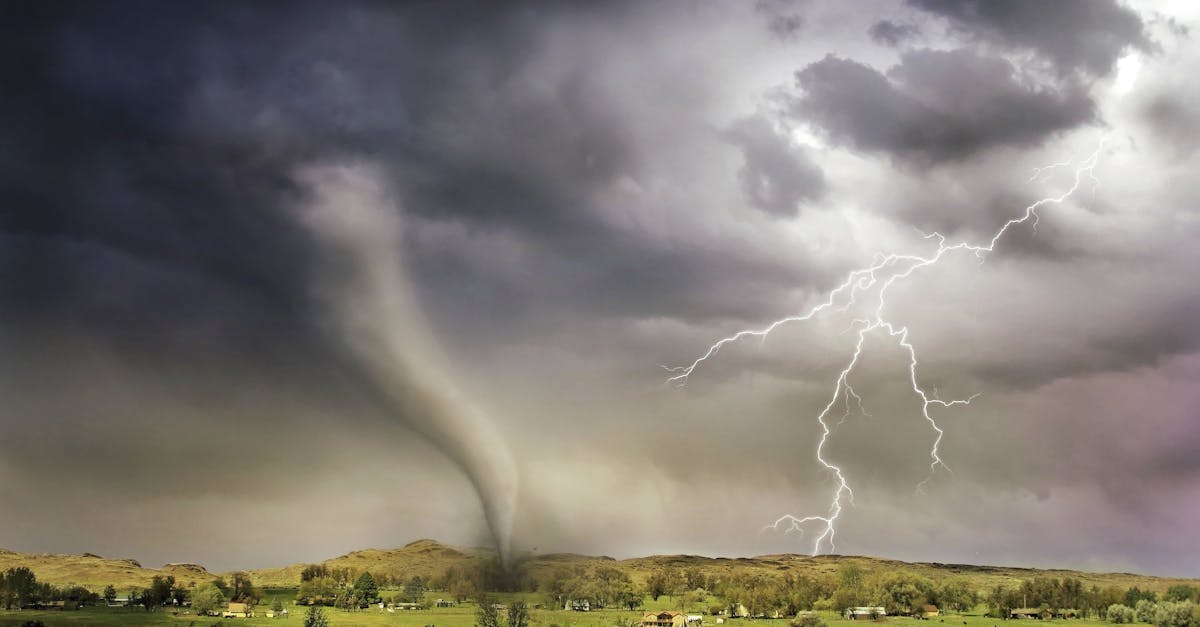
Severe Weather Poses Immediate Risk to Business Operations and Staff Safety Across Oahu
Recent severe weather events, including a dramatic stream rescue of four individuals and a dog in Honolulu, serve as a stark warning for businesses across Oahu. The close call highlights the immediate and tangible risks posed by unheeded weather warnings, underscoring the urgent need for businesses to review and reinforce their emergency preparedness and continuity plans.
The Change: Heightened Risk from Unpredictable Weather
The rapid onset of severe weather can incapacitate critical infrastructure, endanger personnel, and halt business operations with little notice. The warning from emergency responders about a "possible loss of life" during a recent incident emphasizes that these are not theoretical threats but immediate dangers that can affect anyone, anywhere in the affected areas. Businesses that fail to act on these warnings risk not only property damage but, more critically, the safety of their employees and customers. The current forecast patterns suggest a continued unpredictable weather environment, making proactive safety measures and clear communication protocols paramount.
Who's Affected?
Small Business Operators (small-operator)
Owners of restaurants, retail shops, service businesses, and local franchises face direct threats to their operations.
- Staff Safety: Ensuring employees can travel safely to and from work, and providing safe shelter during inclement weather, becomes a primary concern. Failure to do so can lead to liability and reputational damage.
- Operational Disruption: Flood-prone areas, power outages, and impassable roads can force closures, leading to lost revenue and potential spoilage of inventory (e.g., food for restaurants).
- Property Damage: Strong winds, heavy rains, and potential flash flooding can cause direct damage to physical locations, requiring costly repairs and business downtime.
Tourism Operators (tourism-operator)
Hotels, tour companies, vacation rental managers, and other hospitality businesses must navigate the complexities of visitor safety and altered travel plans.
- Visitor Safety: Ensuring guest safety during severe weather events is a critical responsibility. This includes providing timely information and shelter.
- Itinerary Disruptions: Outdoor tours, beach activities, and inter-island travel can be cancelled or postponed, leading to customer dissatisfaction and potential financial claims.
- Reputational Risk: A business perceived as ill-prepared for weather emergencies can suffer long-term damage to its brand and bookings.
Remote Workers (remote-worker)
While often perceived as more flexible, remote workers are not immune to the impacts of severe weather.
- Personal Safety: Localized flooding, landslides, and power outages can disrupt home-based work environments and create unsafe commuting conditions for essential errands.
- Connectivity Issues: Heavy rainfall and high winds can interfere with internet and cellular service, impacting the ability to perform work tasks.
- Access to Services: Severe weather can limit access to essential services, creating personal hardship that indirectly affects work capacity.
Second-Order Effects
Severe weather events in Hawaii, an island economy with limited alternative infrastructure, can trigger a cascade of negative consequences:
- Disrupted Supply Chains: Bad weather can delay or prevent the arrival of essential goods and supplies via air and sea, increasing costs and leading to stock shortages for businesses reliant on imports.
- Increased Insurance Premiums: Frequent weather-related incidents can lead to higher insurance premiums for businesses, adding to operating costs.
- Strain on Emergency Services: Widespread severe weather events divert limited emergency responder resources, potentially delaying assistance for less critical but still important business needs.
What to Do
Businesses must move beyond general awareness to concrete action. The immediate window to prepare is now, as weather patterns can shift rapidly.
Small Business Operators
- Action: Immediately review and update your emergency preparedness and business continuity plan. Ensure it includes clear protocols for communication with staff, procedures for safe closure and reopening, and inventory protection measures.
- Timeline: Execute this review within the next 7 days. For businesses in flood-prone areas, consider implementing temporary protective measures for inventory and equipment. Identify and communicate primary and secondary emergency contact information for all staff.
- Guidance: Designate an internal point person for weather alerts and communication. Establish a clear policy on when to close operations due to severe weather and how employees will be notified and compensated if applicable.
Tourism Operators
- Action: Conduct an immediate audit of your guest communication and emergency protocols. This includes pre-arrival information regarding weather expectations and on-site procedures for severe weather events.
- Timeline: Update guest communication templates and internal staff training materials regarding severe weather within 10 days. Review supplier contracts for clauses related to weather-related cancellations.
- Guidance: Develop clear, concise communication templates for guests affected by weather-related itinerary changes or cancellations, explaining policies on refunds or rescheduling. Ensure staff are trained to handle guest inquiries calmly and efficiently during stressful weather situations.
Remote Workers
- Action: Assess your personal remote work environment for weather-related risks and create a personal preparedness kit. This includes ensuring you have reliable backup power for essential devices and a method of communication if primary services fail.
- Timeline: Complete your personal risk assessment and kit preparation within 7 days. Identify alternative work locations with reliable power and internet, should working from home become impossible.
- Guidance: Secure critical work documents digitally with cloud backups. Inform your employer or clients of potential connectivity issues during severe weather and establish alternative communication channels. Ensure you have a readily available supply of water, non-perishable food, and any necessary medications.