Immediate Weather Impacts on Hawaiian Businesses
As severe weather systems approach Hawaiʻi, state agencies are preparing for potential impacts, necessitating immediate proactive measures from businesses across the islands. The primary concern is the direct threat to physical infrastructure and the subsequent disruption to operations, supply chains, and workforce availability. This event requires businesses to shift from routine operations to emergency preparedness.
The Change
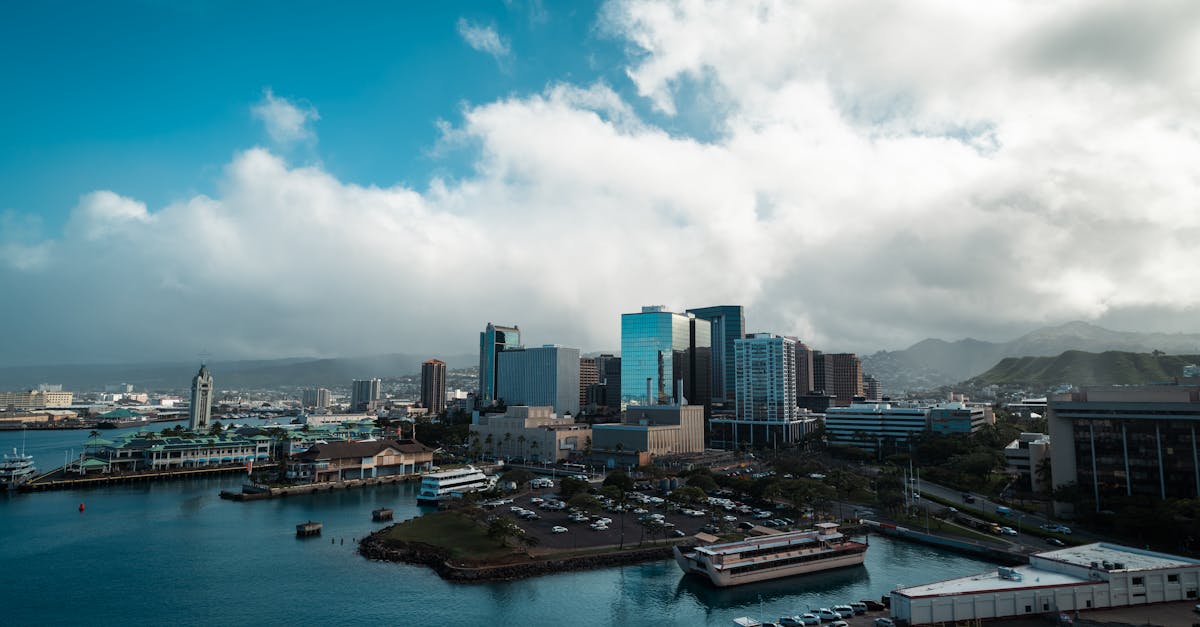
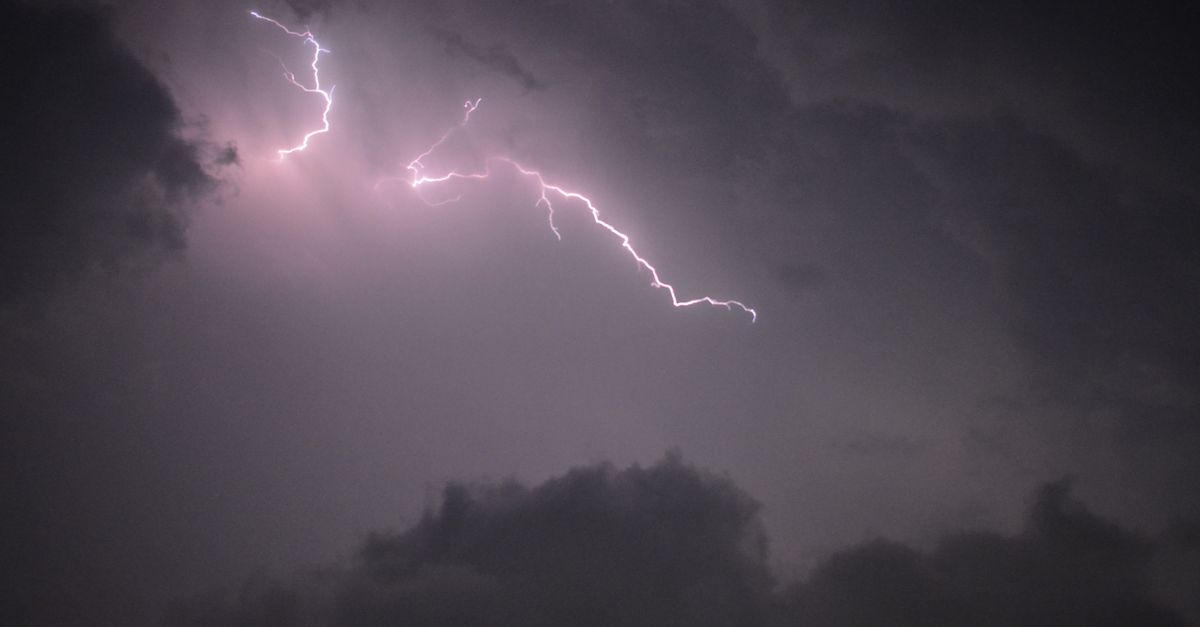
Another round of severe weather is moving across the Hawaiian Islands, prompting state agencies like the Hawaiʻi Emergency Management Agency (HI-EMA) and the Department of Transportation (DOT) to activate response plans. While specific timing and intensity can vary, the general outlook indicates a heightened risk of heavy rainfall, flash flooding, high winds, and potentially hazardous marine conditions. The activation of these agency plans signifies an official recognition of an imminent threat that demands business-level preparation.
Who's Affected
Small Business Operators: Businesses, particularly those in low-lying areas or with vulnerable infrastructure, face direct risks of water or wind damage to premises, inventory, and equipment. Operations may be halted due to unsafe working conditions, employee safety concerns, or localized flooding that impedes access. Power outages are also a significant risk, impacting point-of-sale systems, refrigeration, and general operations. For restaurants and retail, pre-ordered supplies may be undeliverable, and customer traffic will likely plummet.
Real Estate Owners: Property owners and landlords should prepare for potential damage to buildings, including roofs, windows, and exterior structures. Flooding can impact basements, ground floors, and parking areas. Increased insurance claims are likely, and repair timelines could be extended due to high demand for contractors in the aftermath. Ensuring tenants are informed and prepared will be crucial for mitigating liability and maintaining tenant relations.
Tourism Operators: Hotels, tour companies, and vacation rental operators face immediate challenges from flight cancellations and potential travel advisories. Visitors may be stranded or choose to cut short their stays. On-site operations, such as tours and excursions, will likely be suspended due to safety concerns and hazardous conditions. This can lead to immediate revenue loss and increased customer service demands for rescheduling or refunds.
Agriculture & Food Producers: Farmers, ranchers, and food producers are highly vulnerable. Heavy rainfall can lead to crop damage, soil erosion, and livestock stress. Flooding can inundate fields, damage farm infrastructure (e.g., irrigation systems, storage facilities), and disrupt harvesting and transportation routes. Access to farms for workers and for moving produce to market will be a critical challenge.
Second-Order Effects
Severe weather in Hawaiʻi, an isolated island economy, creates cascading effects. Initial disruptions to transportation and logistics due to flooding or high winds can lead to immediate shortages of essential goods, driving up prices for consumers and businesses alike. For tourism operators, flight cancellations and reduced visitor confidence can depress demand for extended periods, impacting hotel occupancy and tour bookings. This downturn in tourism, a cornerstone of the economy, can subsequently reduce overall consumer spending on local goods and services, potentially leading to delayed business investment and slower wage growth in sectors reliant on visitor traffic.
What to Do
Small Business Operators:
- Action: Conduct an immediate assessment of your business premises for flood and wind vulnerabilities. Secure loose outdoor items. Back up critical data and ensure essential equipment is protected or elevated. Review your business interruption insurance policy for coverage related to weather events. Communicate emergency procedures and contact information to all staff immediately. Prepare for potential temporary closure and have a plan for communicating with customers regarding operating status.
Real Estate Owners:
- Action: Inspect properties for potential weaknesses, particularly roofs, drainage systems, and windows. Clear gutters and storm drains to prevent water buildup. Ensure emergency contact information is readily available for tenants. Advise tenants on personal preparedness measures. Document any pre-existing conditions to distinguish them from storm-related damage.
Tourism Operators:
- Action: Monitor flight status and advisories from airlines and transportation authorities closely. Update website and social media with real-time operational status. Be prepared to offer flexible rescheduling or cancellation policies. Ensure staff are briefed and equipped to handle inquiries and emergencies. For hotels, secure outdoor furniture and review emergency evacuation plans.
Agriculture & Food Producers:
- Action: Secure any vulnerable crops or livestock. Inspect and reinforce any exposed irrigation systems or farm structures. Expedite harvesting of any mature crops at immediate risk. Identify alternative routes for transport if primary roads are likely to be affected. Ensure backup power for critical operations like pumps or coolers is ready.