


Slowing Visitor Arrivals and Spending Necessitate Strategic Review for Tourism and Hospitality Businesses
March 2026 visitor statistics from the Hawaiʻi Department of Business, Economic Development and Tourism (DBEDT) indicate a 1.7% decline in statewide visitor arrivals and a 1.6% drop in visitor spending compared to the previous year. This trend, following the disruptions caused by recent Kona Low storms, presents a clear signal for businesses reliant on tourism to re-evaluate their operational and marketing strategies.
DBEDT is launching a campaign aimed at rebuilding visitor confidence following the storms, but the economic data suggests a need for proactive business adjustments beyond state-level initiatives.
Who's Affected
-
Tourism Operators (Hotels, Tour Companies, Vacation Rentals, Hospitality Businesses):
- Impact: Direct revenue reduction due to fewer visitors and lower spending per visitor. This necessitates a review of pricing strategies, occupancy forecasts, and marketing spend. The campaign to rebuild confidence may take time to yield results, potentially impacting revenue for the next 2-3 quarters.
- Key Concern: Sustaining profitability amidst declining demand requires agility in service delivery and promotional efforts.
-
Small Business Operators (Restaurants, Retail Shops, Service Businesses):
- Impact: While not directly serving tourists, these businesses often benefit from increased local economic activity driven by visitor spending. A sustained dip in visitor numbers can lead to reduced foot traffic and a decrease in discretionary spending by the local population, who might also be feeling economic pressure.
- Key Concern: Operating costs remain high, but revenue streams may contract, squeezing already tight margins.
-
Real Estate Owners (Property Owners, Developers, Landlords):
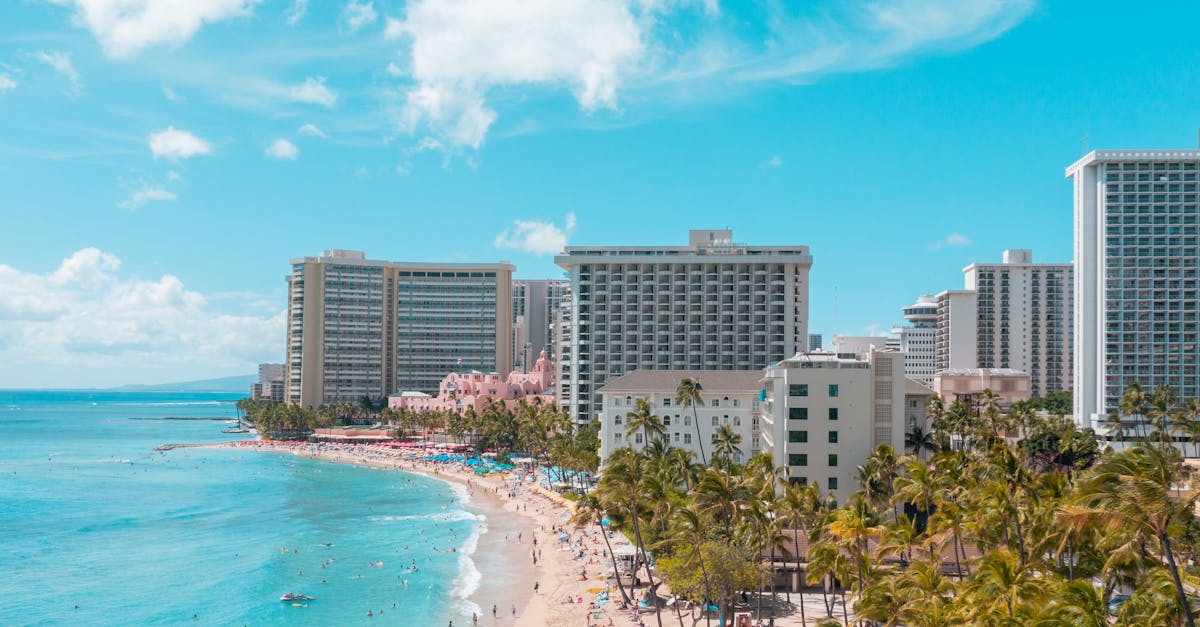
- Impact: Commercial real estate in tourist-heavy areas (e.g., Waikiki, Ka'anapali) may see softening demand for retail and hospitality leases. Residential rental markets, particularly those catering to short-term visitors or indirectly benefiting from tourism employment, could also face pressure.
- Key Concern: Property values and rental income may stagnate or decline if the tourism downturn persists.
-
Investors (VCs, Angel Investors, Portfolio Managers):
- Impact: Investment in tourism-dependent sectors or companies with significant exposure to the Hawaiian market faces increased risk. A prolonged visitor downturn could impact company valuations and investment returns.
- Key Concern: Reassessing the risk-reward profile of Hawaii-focused investments and considering diversification.
Second-Order Effects
Persistent lower visitor arrivals and spending could lead to a ripple effect throughout the Hawaiian economy. A prolonged downturn in tourism revenue may result in reduced demand for services from local suppliers, impacting agriculture and food producers. This, in turn, could affect employment within the hospitality sector. Increased unemployment or reduced working hours for tourism-related jobs can dampen local consumer spending, exacerbating the economic slowdown for small businesses. Furthermore, if tourism revenue declines significantly, it might reduce the tax base available for public services, potentially affecting infrastructure development or maintenance over the long term.
What to Do
Tourism Operators
- Monitor Visitor Forecasts: Closely track airline capacity, booking trends, and competitor pricing over the next 60-90 days. Hawaiʻi Tourism Authority and DBEDT are key sources. Pay attention to any official updates or new campaign initiatives.
- Analyze Marketing Effectiveness: Review current marketing campaigns to ensure they are effectively targeting resilient visitor segments or addressing any lingering concerns from the storms. Consider enhancing digital marketing efforts focused on value or unique experiences.
- Review Pricing and Packages: Evaluate current pricing structures and explore opportunities for creating targeted packages or promotions to stimulate demand without significantly eroding value.
- Enhance Customer Service: Focus on exceptional service to encourage repeat visitation and positive word-of-mouth, which can be crucial in rebuilding confidence.
- Trigger for Action: If booking pace for the next 3-6 months does not show signs of recovery by August 2026, consider implementing more aggressive promotional pricing or reducing operational overhead.
Small Business Operators
- Monitor Local Economic Activity: Keep an eye on local employment figures and consumer confidence surveys for Hawaiʻi. A dip in tourism can have a lagged impact on local spending.
- Review Operating Costs: With potential revenue pressures, it's critical to maintain efficient operations. Review supplier contracts and overhead.
- Focus on Local Market: Strengthen relationships with local customers and explore opportunities to diversify revenue streams beyond tourist foot traffic.
Real Estate Owners
- Monitor Lease Renewals and Vacancy Rates: In tourist-centric areas, track the performance of commercial and hospitality leases. Be prepared to be more flexible on terms if market demand weakens.
Investors
- Track Tourism Metrics: Continue to monitor statewide visitor arrival and spending data, as well as occupancy rates and average daily rates (ADR) for key tourism segments. DBEDT is the primary source.
- Assess Company Exposure: Evaluate the specific exposure of your portfolio companies to the Hawaiian tourism market. Diversification remains a key risk mitigation strategy.
- Trigger for Action: If visitor arrival declines exceed 5% for two consecutive quarters, consider rebalancing portfolios or divesting from highly exposed assets.


