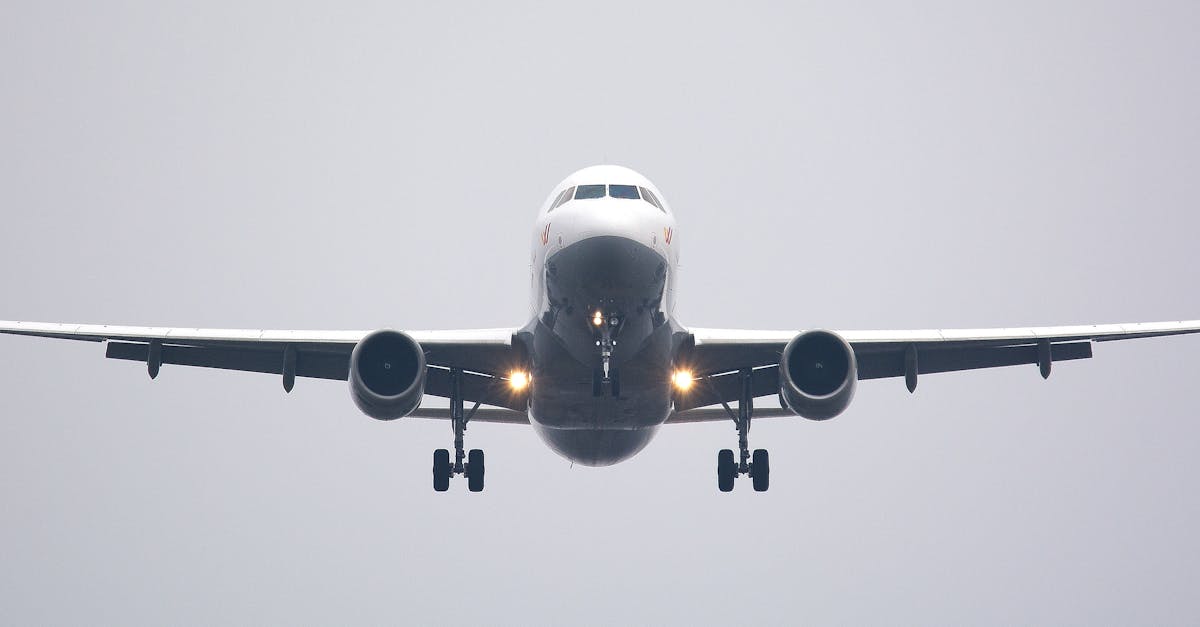
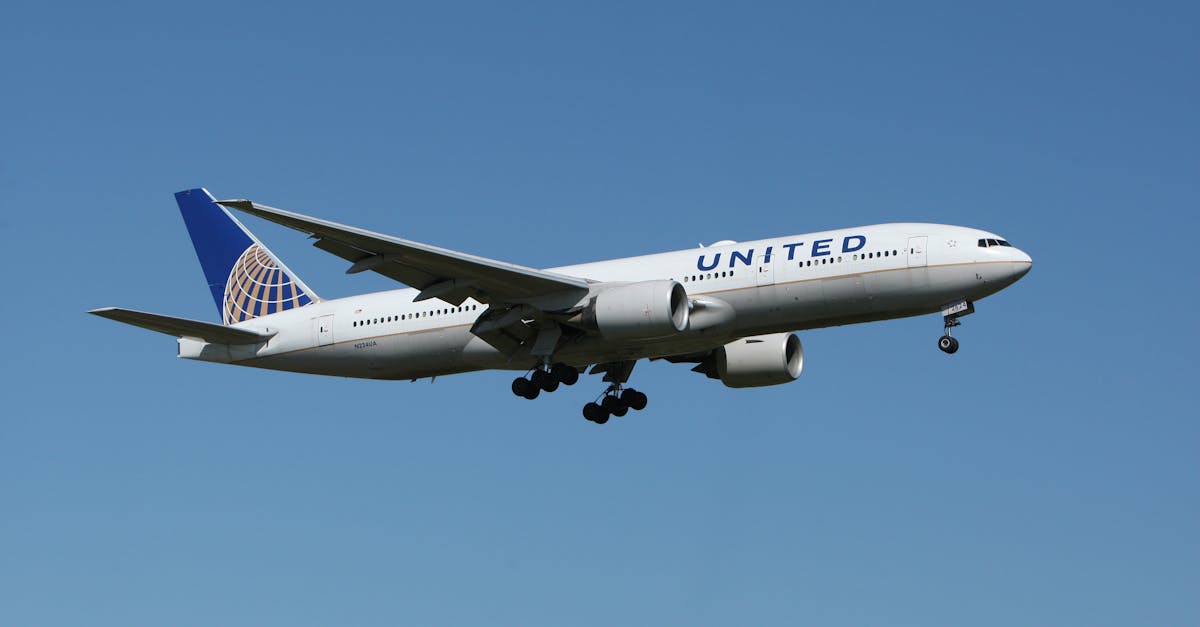
A recent article on Beat of Hawaii highlights a stark comparison: while flights to Europe can be secured for around $70, flying to Hawaii often costs considerably more, per mile. This isn't just a matter of sticker shock; it's a trend with significant implications for Hawaii's vital tourism industry. For entrepreneurs and investors in the tourism and hospitality sector, this shift warrants careful scrutiny.
The elevated cost of flying to Hawaii is driven by a confluence of factors. Primarily, airlines have dramatically changed their strategies. Gone are the days of aggressive discounting to fill seats; instead, they focus on revenue-generating strategies like loyalty programs and credit card partnerships. As Beat of Hawaii points out, "the economics of mainland to Hawaii travel have shifted, and cheap fares may be the first casualty." The shift also involves the design of the cabin layouts, with increased upselling of premium features like extra legroom and priority boarding.
This pricing dynamic has a ripple effect throughout the Hawaiian economy. First and most obviously, high flight costs could lead to a reduction in the number of visitors, particularly those who are budget-conscious. According to a University of Hawaii Economic Research Organization (UHERO) analysis, access to Hawaii is still critical for overall economic success and the number of people flying into the state UHERO. Furthermore, more expensive flights could also lead to shorter stays, as travelers may opt to conserve their travel budgets. This creates a tough situation for hospitality businesses and supporting industries.
The trend toward higher airfares to Hawaiʻi also raises questions about the state’s competitiveness as a travel destination. The shift also involves increasing fees and taxes that are then factored into costs. For example, Honolulu International Airport has a multi-billion dollar airport modernization project, the costs of which Beat of Hawaii reflects as being passed along to travelers. As a result, Hawaiian businesses in the tourism and hospitality sectors must remain agile, seeking strategies on how to work with the rising cost of travel to the islands (and the impact it has on the tourism industry).