State Building AED Rollout: Minor Employee Safety Boost, No Immediate Business Impact, Watch for Liability Shifts
EXECUTIVE BRIEF
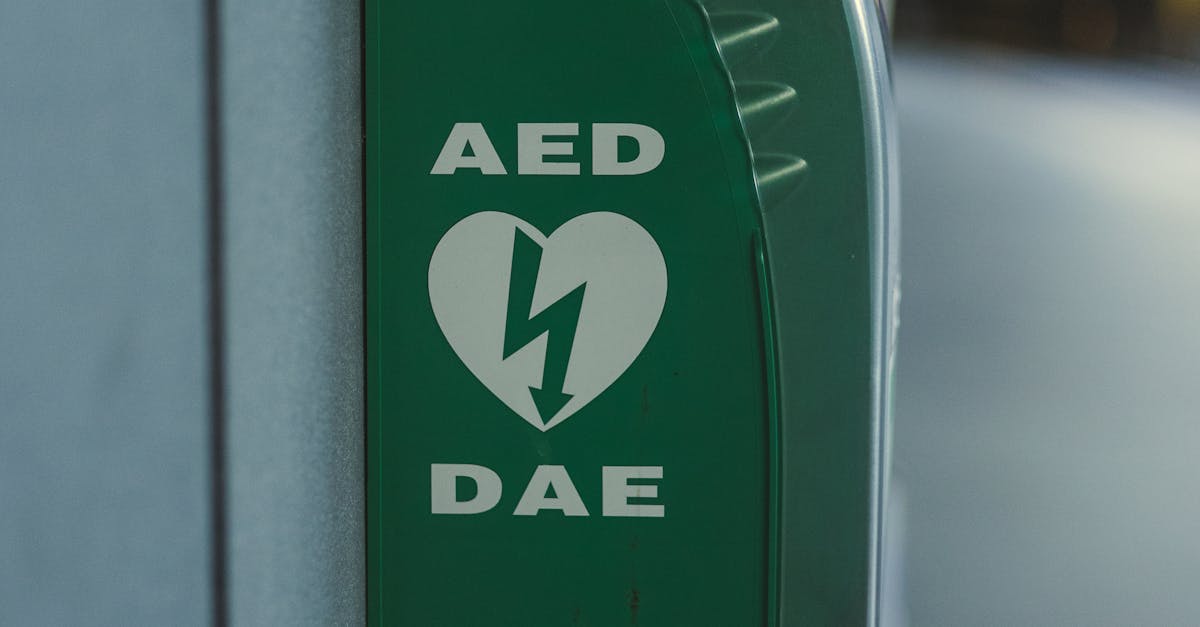
The state government is enhancing public safety by deploying Automated External Defibrillators (AEDs) in 40 of its buildings statewide, with rollout expected by early 2026. This initiative aims to improve survival rates for cardiac arrest incidents within these facilities. For small business operators and healthcare providers, this development represents a positive step for public health and employee well-being, but does not demand immediate operational changes. The primary recommendation is to remain aware of evolving workplace safety standards and potential indirect impacts on liability for businesses operating near or within state facilities.
- Healthcare Providers: Increased public access to AEDs may subtly influence community health preparedness, but no direct impact on licensing, insurance, or telehealth regulations is expected in the short term.
- Small Business Operators: While this initiative enhances safety for employees and customers within state buildings, it does not alter operating costs or require immediate changes to business practices.
- Timeline: Deployment is slated for completion by early 2026.
- Action: Monitor evolving workplace safety expectations and liability considerations related to readily available emergency medical equipment.
THE CHANGE
By early 2026, the state of Hawaii will have installed Automated External Defibrillators (AEDs) in approximately 40 state-owned or managed buildings spread across Kauai, Oahu, Maui, Molokai, and the Big Island. This initiative, driven by the Hawaii Department of Accounting and General Services, aims to equip these locations with life-saving technology to increase the chances of survival for individuals experiencing sudden cardiac arrest. The devices will be made accessible to state employees, visitors, and the general public present within these buildings. This represents a proactive measure to bolster emergency medical response capabilities in public spaces.
WHO'S AFFECTED
Healthcare Providers: This rollout has a limited direct impact on healthcare providers. While the increased availability of AEDs in public spaces is a positive development for community cardiac arrest survival rates, it does not directly alter existing licensing requirements, insurance regulations, or telehealth policies that govern private practices, clinics, or medical device companies. Telehealth providers should note this as a general improvement in local medical emergency infrastructure, though it does not create new service demands or regulatory changes for their specific business models.
Small Business Operators: For small business operators, including restaurant owners, retail shops, and service businesses, the direct impact of this AED installation is minimal. The devices are contained within state buildings and do not impose any new costs, permit requirements, or operational mandates on private enterprises. However, this development can indirectly influence workplace safety discussions. Businesses located near state buildings or those that frequently interact with state facilities might consider their own preparedness strategies in light of this public investment in safety.
SECOND-ORDER EFFECTS
While the direct impact is localized to state buildings, the broader implementation of public-access AEDs can subtly influence community expectations around emergency preparedness.
- Increased Public Awareness → Enhanced Workplace Safety Standards: As more public spaces are equipped, there's a potential for a gradual increase in the expectation for private businesses, especially larger ones or those in close proximity to state facilities, to also provide similar life-saving equipment. This could lead to future discussions or subtle pressure regarding workplace safety protocols and the provision of emergency medical resources.
- Public Safety Investment → Shifting Liability Perceptions: The state's investment may subtly shift the perceived baseline for emergency response preparedness. While not legally binding, it could create a yardstick against which private entities are implicitly measured, particularly in cases of medical emergencies occurring on or near their business premises. This is a nascent effect unlikely to cause immediate legal challenges but could inform future risk management strategies.
WHAT TO DO
Healthcare Providers: Do Nothing. This initiative does not require any changes to your current operational, licensing, or regulatory compliance. Continue to focus on providing your core services.
Small Business Operators: Watch. While no immediate action is required, businesses should be mindful of the evolving landscape of workplace safety. Consider the following:
- Internal Preparedness Review: Periodically review your own business's emergency preparedness plans. Ensure key personnel are trained in basic first aid and CPR, regardless of whether AEDs are on-site.
- Location Awareness: If your business operates near or interacts frequently with state buildings, note this enhanced safety measure. It could be a point of discussion for employee well-being initiatives.
ACTION DETAILS
Monitor community and employee expectations regarding workplace safety and emergency preparedness. Pay attention to any new proposed legislation or industry best practices that may emerge concerning the availability of life-saving equipment in private commercial spaces. If discussions around mandated AEDs for private businesses begin to gain traction, or if insurance providers start incorporating AED availability into risk assessments for commercial properties, then it would be prudent to evaluate the cost-benefit of acquiring and maintaining such equipment onsite.
SOURCES
- Honolulu Star-Advertiser: "Life-saving devices going into 40 state buildings" (Original Source)
- Hawaii Department of Accounting and General Services: Official overview of state government services and facilities management. (For context on state building management)
- American Heart Association: Information on CPR and AED usage, including survival statistics and recommendations. (For understanding the significance of AEDs)


