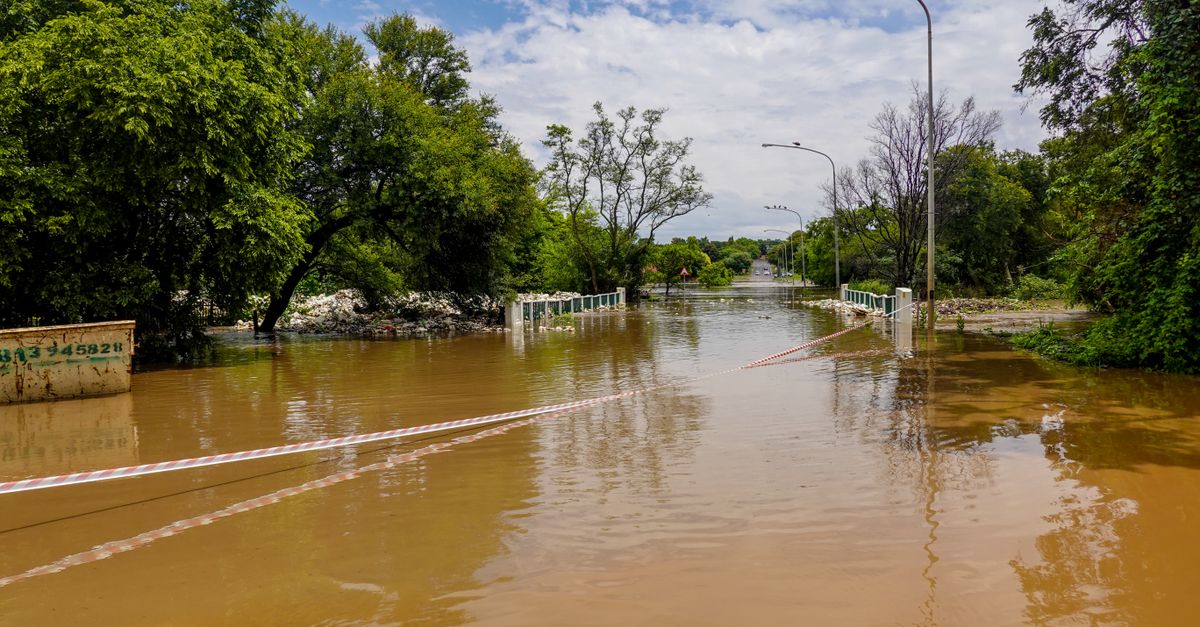
Statewide Flood Watch: Businesses Face Immediate Operational, Supply Chain Disruptions by Friday
A statewide flood watch is in effect from Wednesday morning through Friday afternoon, warning of heavy rainfall, thunderstorms, and the potential for flash flooding across all Hawaiian Islands. This forecast necessitates immediate action from businesses to protect assets, ensure employee safety, and manage potential operational disruptions.
The Change
The National Weather Service has issued a flood watch for the entire state, effective Wednesday, April 9, 2026, through Friday, April 11, 2026. This alert indicates conditions are favorable for heavy rainfall and thunderstorms that could lead to flash flooding. While specific rainfall amounts are uncertain, the broad nature of the watch suggests widespread impacts are possible, particularly in flood-prone areas and urbanized regions with compromised drainage systems. The timing of this watch means businesses have a limited window of approximately 48-72 hours to prepare before conditions become severe.
Who's Affected?
Small Business Operators (small-operator)
Immediate Risk: Potential for business closures due to impassable roads, power outages, and direct flooding of premises. This could lead to lost revenue, damaged inventory, and increased operational costs for cleanup and repair. Staffing is also a concern, as employees may struggle to commute safely. Businesses relying on customer foot traffic, such as retail shops and restaurants, will likely see significant dips in sales during the event. Emergency response plans should be activated immediately.
Real Estate Owners (real-estate)
Immediate Risk: Properties in low-lying areas or those with inadequate drainage are at high risk of flood damage. This can result in costly repairs, increased insurance premiums, and potential displacement of tenants. Developers may face delays in construction projects due to weather-related work stoppages. Property managers must ensure their flood preparedness plans are current and communicate with tenants about potential safety measures and emergency contact information.
Tourism Operators (tourism-operator)
Immediate Risk: The primary concern is disruption from flight cancellations and diversions due to severe weather. This directly impacts visitor arrivals and departures. On-island tours and activities may need to be canceled or rescheduled. Hotels and vacation rental operators must be prepared for guest inquiries, potential property damage, and ensuring guest safety during heavy rain and potential flooding events. Communication with guests about potential travel disruptions is crucial.
Agriculture & Food Producers (agriculture)
Immediate Risk: Crops are highly vulnerable to excessive rainfall, leading to waterlogging, disease, and loss of yield. Farm infrastructure, including irrigation systems and access roads, could be damaged. Harvesting and transportation of produce may be severely hampered by flooding and road closures, impacting delivery schedules for local markets and export. Aquaculture operations could face damage to ponds and facilities.
Healthcare Providers (healthcare)
Immediate Risk: Access for both patients and healthcare professionals could be critically impacted. Emergency services may face delays. Facilities in flood-prone zones are at risk of damage, potentially disrupting patient care and leading to loss of critical medical supplies or equipment. Telehealth services may experience increased demand but could also be affected by power or internet outages. Contingency plans for critical staff access and patient transport are paramount.
Second-Order Effects
The immediate impacts of widespread flooding can trigger a cascade of consequences across Hawaii's isolated economy. Heavy rainfall and flash floods can not only damage agricultural land, leading to potential food shortages or price increases for local produce, but also disrupt inter-island transportation. This disruption could then exacerbate supply chain issues for all businesses, from restaurants needing fresh ingredients to retailers awaiting inventory. Furthermore, widespread property damage could strain the capacity of local construction and repair services, driving up costs and extending timelines for any business or homeowner needing remediation.
What to Do
Small Business Operators
Action: Implement your business continuity and disaster preparedness plan before Wednesday morning. This includes securing outdoor equipment, relocating inventory from potential flood zones, backing up critical data, and establishing communication protocols with staff regarding work status and safety. If your business is in a high-risk flood zone, consider voluntary closure during the peak of the storm (Wednesday evening through Friday morning).
Real Estate Owners
Action: For owners with properties in flood-prone areas, conduct a pre-storm inspection by Tuesday evening. Ensure storm drains are clear, secure any vulnerable outdoor assets, and communicate emergency protocols and contact information to tenants. Review insurance policies for adequate flood coverage and understand claim procedures.
Tourism Operators
Action: Proactively monitor flight status and weather advisories starting Tuesday. Update guests on potential travel impacts and have flexible rescheduling policies in place. Ensure hotel and tour operations are prepared for on-site guest needs and potential cancellations. Communicate safety information and emergency procedures clearly to guests.
Agriculture & Food Producers
Action: Secure crops and equipment that are vulnerable to wind and water damage by Tuesday evening. Assess drainage systems and prepare to divert water if necessary. Communicate with buyers and transporters about potential delays and crop availability. Have contingency plans for protecting livestock and essential farm infrastructure.
Healthcare Providers
Action: Review and activate emergency staffing and patient care continuity plans before Wednesday morning. Ensure critical medical supplies are adequately stocked and secured. Confirm backup power systems are operational. Communicate with staff about potential transportation challenges and establish remote work protocols for administrative functions where possible. Prepare for potential surges in demand for services related to weather events.