


Storm Damage Slows Hawaii's Arteries: Prepare for Business Disruptions
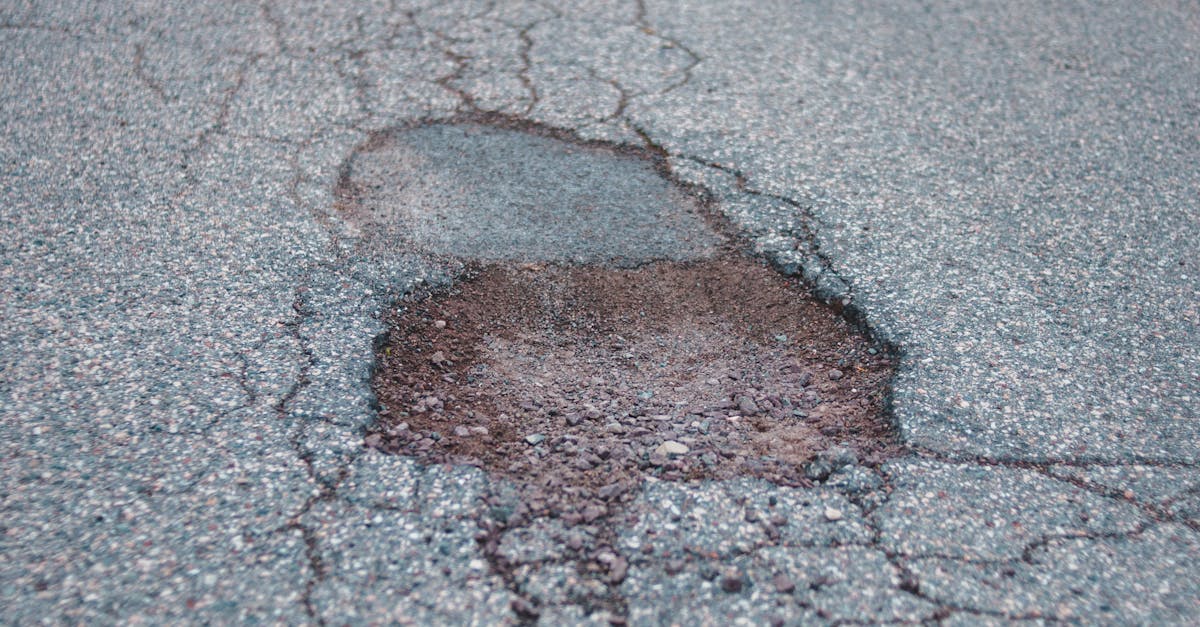
Recent severe weather has inflicted significant damage across Hawaii's road networks, creating widespread hazardous conditions and an immediate need for extensive repairs. Crews are expected to be engaged in cleanup and fixing potholes and other damage for several weeks, directly impacting transportation efficiency and increasing operational burdens for businesses reliant on road infrastructure.
Who's Affected?
Small Business Operators (restaurants, retail, services): Your supply chains are vulnerable. Expect delivery delays for inventory and supplies, potentially leading to stock shortages or increased freight costs (estimated 5-15% increase in logistics expenses due to detours and slower transit times). Planning for longer lead times on orders and exploring alternative local suppliers where possible will be crucial in the coming weeks.
Tourism Operators (hotels, tour companies, vacation rentals): Visitor transportation, including airport transfers and tour routes, may experience significant delays. This could lead to guest dissatisfaction and impact the feasibility of tightly scheduled tours. Proactive communication with guests about potential delays and contingency planning for alternate transport options if major routes become impassable will be necessary.
Agriculture & Food Producers (farmers, ranchers, food processors): The timely delivery of inputs (fertilizer, feed) and the transportation of perishable goods to market are at high risk. Delays in produce reaching restaurants, grocery stores, or export points could result in product loss and missed sales opportunities. Coordination with logistics providers and understanding which routes are prioritized for repair will be critical.
Real Estate Owners (developers, property managers, landlords): Construction projects may face delays due to slower delivery of materials and equipment. Property managers should anticipate potential tenant complaints regarding increased noise from repair work or longer commute times for employees. Access to commercial or residential properties might be temporarily restricted or significantly slowed.
Second-Order Effects
This widespread road damage creates a cascading effect on Hawaii's already strained logistics. Slowed transportation means less efficient movement of goods, potentially leading to temporary increases in the cost of imported goods as businesses absorb higher freight charges due to delays. Furthermore, if essential supplies are delayed, businesses may face increased inventory holding costs or the need for expedited shipping, further squeezing already tight margins. This could temporarily dampen consumer spending if prices rise noticeably, impacting retail and food service sectors.
What to Do
Small Business Operators: Watch local traffic and road repair advisories daily through resources like Hawaii DOT and local news channels. If specific routes critical to your supply chain are consistently reported as closed or severely delayed (over 60 minutes beyond normal travel time for a critical delivery window) for more than three consecutive days, explore alternative suppliers or revise inventory orders to buffer against further delays. Consider adding a small buffer to delivery timelines for customer-facing services.
Tourism Operators: Monitor official transportation alerts from Hawaii DOT. If major access roads to popular tourist areas or airports experience prolonged closures (over 4 hours within a 24-hour period) beyond the initial cleanup phase, pre-emptively reschedule tours that rely on those routes and inform affected guests. Have a list of alternative transportation providers ready.
Agriculture & Food Producers: Stay in close contact with your transportation partners and track updates from the Hawaii Department of Agriculture. If key arterial roads for your primary distribution channels see repair delays extending beyond one week past the initial damage assessment, contact your primary buyers to discuss potential delivery schedule adjustments or explore the feasibility of using less common, but potentially open, routes.
Real Estate Owners: Observe updates from the Hawaii DOT regarding critical infrastructure repairs impacting project sites or major access routes to properties. If construction material delivery timelines are pushed back by more than 10 business days due to road access issues, re-evaluate project completion schedules and communicate any significant delays to stakeholders and potential tenants.
Action Details
Monitor local and state transportation authority updates daily for the next two weeks. If any single business-critical route experiences delays exceeding 60 minutes beyond normal travel time for more than two consecutive days, implement contingency plans for alternative delivery or transportation methods. If widespread closures persist for over a week, re-evaluate long-term supply chain and logistics strategies.


