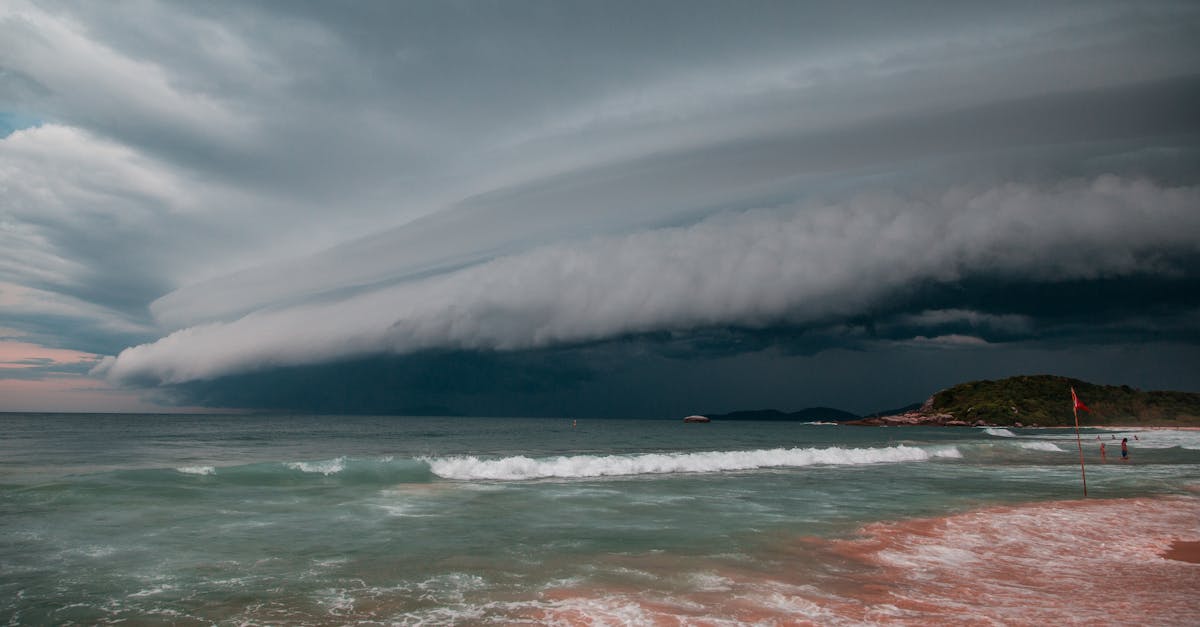
Storm Threat: Businesses Face Property Damage, Operational Disruptions This Week
A potent Kona storm is poised to impact the Hawaiian Islands from Tuesday night through Sunday, bringing with it significant threats of heavy rainfall, flash flooding, severe thunderstorms, and strong southerly winds. This weather system, potentially the strongest of the wet season, necessitates immediate action from businesses to mitigate risk and ensure operational continuity.
The Change
A strong Kona low-pressure system is expected to move into the region beginning late Tuesday night for Kauai, spreading across all islands by Wednesday and Thursday. The National Weather Service is forecasting widespread heavy rainfall, which could lead to dangerous flash flooding, especially in leeward and interior areas. Additionally, severe thunderstorms are possible, carrying the risk of waterspouts, tornadoes, hail, and damaging wind gusts. Southerly winds will be elevated, exacerbating flash flood potential and increasing the risk of falling trees and debris.
This weather event poses a direct and immediate threat to physical assets, supply chains, and the ability of businesses to operate normally. Proactive preparation is crucial to minimize damage and financial impact.
Who's Affected
Small Business Operators
Businesses, particularly retail shops, restaurants, and service providers, face direct risks of property damage from flooding and high winds. Storm surge and heavy rainfall can impact inventory, equipment, and storefronts. Temporary closures may be necessary due to hazardous conditions, power outages, or staff safety concerns. Planning for potential staffing shortages due to travel difficulties or personal storm impacts is also critical.
Real Estate Owners
Property owners, landlords, and managers must prepare for potential flood damage to residential and commercial structures. Leeward areas are particularly susceptible to flash floods. Wind damage to roofs, windows, and outdoor structures is also a concern. Infrastructure such as parking lots, drainage systems, and utility lines may be compromised, leading to repair costs and potential loss of rental income during downtime.
Tourism Operators
Hospitals, hotels, tour operators, and vacation rental managers should anticipate significant disruptions. Travelers may face flight cancellations or delays, leading to reduced bookings and increased cancellations. Guest safety is paramount, potentially requiring closures or relocation of activities. Interisland travel could also be affected, impacting supply chains for hotels and restaurants.
Agriculture & Food Producers
Farms, ranches, and food production facilities are at high risk of crop damage from excessive rainfall and flooding. Harvest operations may be halted, leading to immediate losses. Livestock may need to be moved to safer, elevated areas. Damage to irrigation systems, farm roads, and storage facilities is also a concern, potentially impacting the ability to plant, harvest, and distribute goods.
Second-Order Effects
This storm event is likely to trigger a cascade of disruptions. Widespread flash flooding and infrastructure damage could cripple transportation networks, delaying incoming goods and outgoing products, thus impacting supply chains and increasing costs for all businesses. Power outages are probable, affecting operations reliant on electricity, from refrigeration in restaurants to critical systems in hotels. A temporary decrease in visitor activity due to travel disruptions could also place further strain on tourism-dependent businesses already grappling with potential physical damage.
What to Do
Small Business Operators
- Secure Property: Move valuable inventory and equipment away from windows and ground floors. Clear and secure outdoor seating, signage, and any loose items.
- Review Insurance: Confirm your business interruption and property damage insurance coverage is up-to-date. Document existing conditions with photos or videos.
- Staff Communication: Establish clear communication channels for staff regarding work status, safety protocols, and potential closures before and during the storm.
- Operational Contingency: Prepare for potential power outages by having backup power solutions if feasible, and plan for temporary closure if conditions become unsafe.
Real Estate Owners
- Flood Preparedness: Inspect and clear storm drains and gutters around properties to ensure proper water flow. Secure any vulnerable outdoor structures or landscaping.
- Evacuation/Shelter: For properties in flood-prone zones, consider advising tenants on evacuation routes and providing information on local shelters.
- Tenant Communication: Inform tenants about potential risks and safety measures. Be prepared to address damage promptly following the storm.
- Property Inspection: Schedule immediate post-storm inspections of properties to identify and address any damage quickly.
Tourism Operators
- Guest Communication: Proactively communicate with guests and potential bookers about weather advisories and potential impacts on activities and travel.
- Staff Safety: Ensure staff have clear protocols for their safety and are prepared for potential work disruptions.
- Activity Adjustments: Review scheduled tours and activities. Be prepared to cancel or reschedule water-based or outdoor excursions.
- Contingency Planning: Develop plans for managing guest needs during potential power outages or facility disruptions.
Agriculture & Food Producers
- Livestock Relocation: Move livestock to higher, safer ground and ensure adequate feed and water supplies.
- Crop Protection: For high-value crops, consider protective measures such as covering or harvesting early if feasible.
- Infrastructure Assessment: Secure irrigation systems, farm equipment, and storage facilities. Check structural integrity of barns and outbuildings.
- Harvest Planning: Assess which crops can be realistically harvested before or immediately after the storm, prioritizing those most at risk of damage.
Action Details: All affected roles must implement their storm preparedness plans immediately. Businesses should aim to complete all physical preparations, communication with staff and customers, and secure assets by Thursday, March 14th, to be fully ready for the storm's peak impact through Sunday, March 16th. Failure to prepare could result in significant property damage, financial losses, and extended operational downtime.