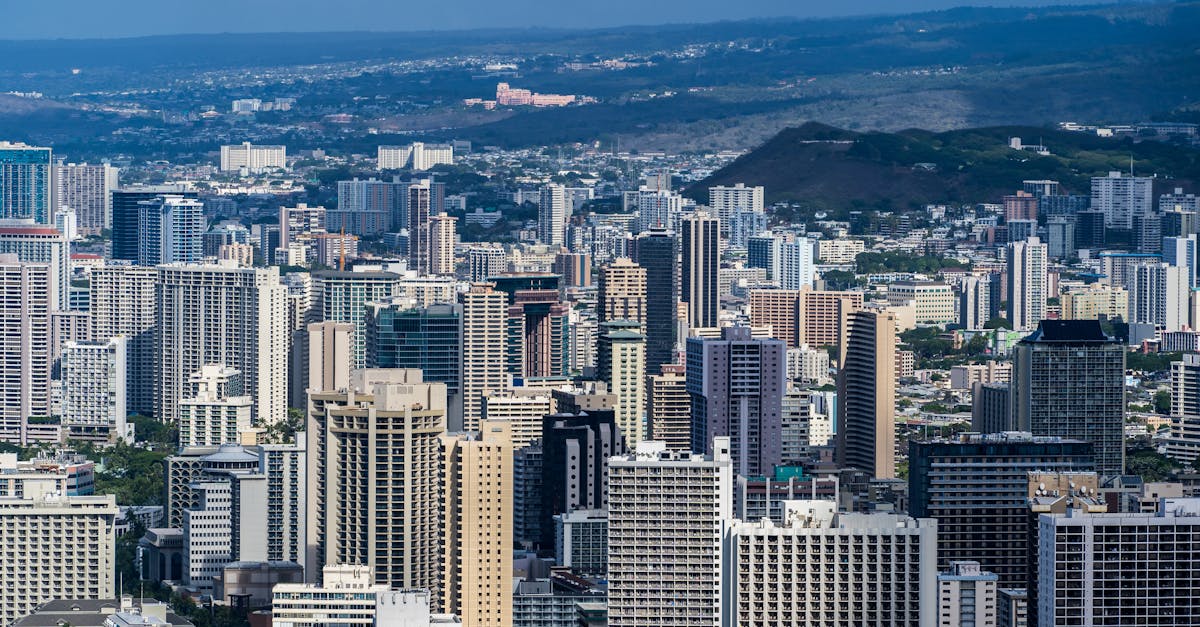
Topa Financial Center Closure Extends Operational Risk for Downtown Businesses
The prolonged closure of the Topa Financial Center, stemming from a basement leak impacting critical switchgear and subsequent mold remediation, continues to disrupt businesses operating within the complex. The latest reopening timeline has been pushed back, necessitating ongoing contingency planning for tenants and related service providers.
The Change
As of August 10, 2026, the reopening of the Topa Financial Center has been further delayed. The initial closure on July 23, 2026, was due to water damage to essential switchgear caused by a basement leak. This has now been compounded by the discovery and ongoing remediation of mold, pushing the anticipated power restoration and subsequent occupancy indefinitely. Avalon, the property management firm, is planning to power both towers simultaneously once operations resume, indicating the scale of the infrastructure challenge. This indefinite delay means businesses reliant on the building's infrastructure and accessibility face continued operational uncertainty.
Who's Affected
Small Business Operators
Businesses housed within the Topa Financial Center, including retail shops, service providers, and restaurants, are experiencing prolonged operational shutdowns. This means a direct loss of revenue and potential staffing issues as employees are unable to work. Small businesses that rely on foot traffic from the building's occupants will also see a significant drop in customers. The need to secure temporary alternative workspaces or absorb increased costs associated with remote work arrangements will impact profit margins.
Real Estate Owners
Property owners and managers, particularly Avalon and potentially owners of adjacent properties that benefit from the Topa Financial Center's ecosystem, face direct financial impacts. Lost rental income from the affected towers is a primary concern. Furthermore, extended downtime increases the property management burden and costs associated with remediation, repairs, and tenant retention efforts. The prolonged closure may also affect the perceived value and marketability of commercial real estate in the immediate vicinity.
Investors
Investors with holdings in the Topa Financial Center itself, or in companies that lease space there, face delayed or diminished returns. The extended disruption could lead to tenant departures, impacting occupancy rates and lease revenues for the long term. For real estate investors, this situation highlights the operational risks associated with aging infrastructure and the importance of robust business continuity plans. Assessing the financial resilience of tenants is crucial during such prolonged outages.
Tourism Operators
While not directly housed in the building, tourism operators who cater to business travelers or corporate clients may experience indirect impacts. If companies with offices in Topa Financial Center have employees attending meetings or requiring services, those arrangements may be disrupted. Any significant long-term impact on downtown business activity could eventually trickle down to the tourism sector.
Second-Order Effects
The extended closure of a major commercial hub like the Topa Financial Center can create a localized strain on other business districts and services. Businesses forced to operate remotely or relocate temporarily may increase demand for coworking spaces and satellite office rentals elsewhere. This could drive up costs for these alternative resources. Furthermore, reduced activity in the immediate downtown core can lead to decreased patronage for surrounding retail and food establishments, potentially impacting their own revenue streams and employment levels. The diversion of resources and attention to this single, critical infrastructure failure may also slow down progress on other urban development or improvement projects.
What to Do
Small Business Operators: If your business is located within the Topa Financial Center, develop a robust contingency plan for an extended closure. This should include options for remote work, temporary relocation to coworking spaces, and communication strategies for clients and staff. Proactively communicate with your landlord and insurance providers regarding business interruption coverage. Analyze your financial runway and explore potential short-term financing options if necessary.
Real Estate Owners/Managers (Avalon): Prioritize transparent and frequent communication with all tenants regarding the remediation progress and revised reopening timelines. Expedite the repair and restoration process while adhering to safety and quality standards. Develop a tenant retention strategy that addresses the disruption, potentially including rent concessions or support services for affected businesses.
Investors: Monitor the financial health and operational status of companies leasing space in the Topa Financial Center. Assess the potential impact on your investment portfolio, considering extended revenue loss and the property's long-term marketability. Review diversification strategies for commercial real estate investments to mitigate risks associated with single-asset failures.
Tourism Operators: Stay informed about the potential impact on corporate clients who may have offices in the Topa Financial Center. Adjust meeting and accommodation arrangements as needed. Maintain flexibility in service offerings to accommodate any shifts in business travel patterns within Honolulu.
All Affected Parties: Closely monitor official advisories and updates from Avalon regarding the remediation progress and confirmed reopening dates. Be prepared for potential further delays and have backup plans in place. This situation underscores the importance of resilience and adaptability in Hawaii's unique business environment.