


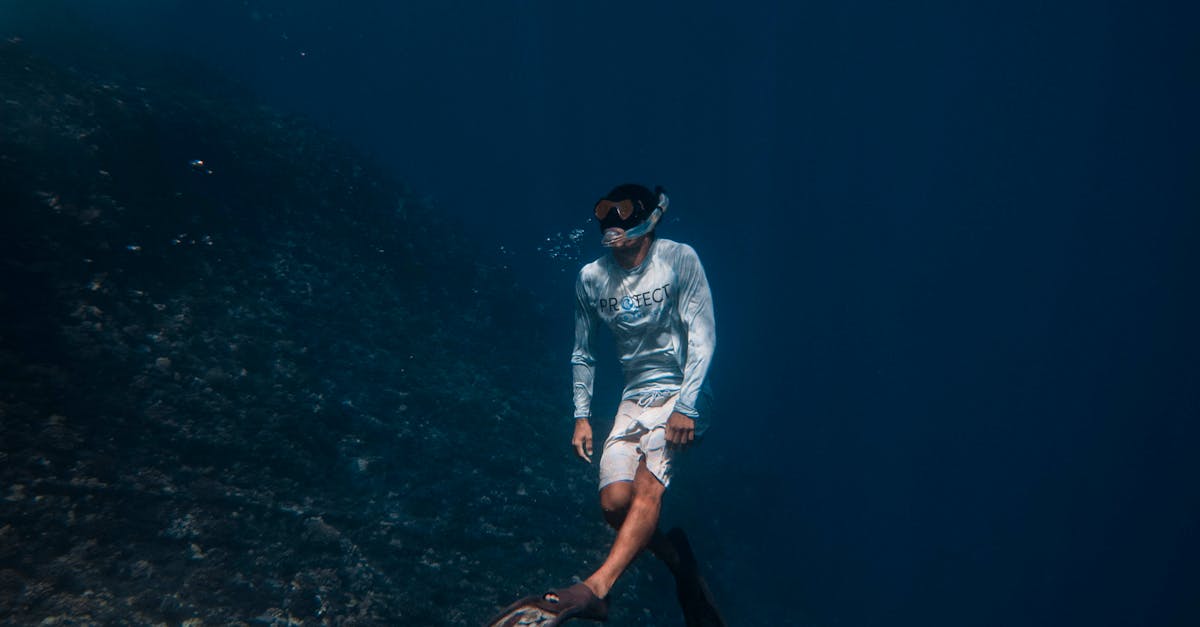
Tourism Operators Face Liability Risk From Deadly Full-Face Snorkel Masks
Confirmed fatalities linked to full-face snorkel masks necessitate immediate removal of these products from rental fleets and retail inventories to mitigate liability and reputational damage. Tourism operators and retail businesses should audit their equipment and discontinue sales of these masks.
- Tourism Operators: Immediate product recall required; potential liability for past incidents.
- Small Business Operators (Retail): Inventory removal and customer communication essential.
- Investors: Assess portfolio companies for exposure to recreational safety equipment liabilities.
- Action: Remove all full-face snorkel masks from sale and rental inventory by end of week.
The Change
Recent reports and scientific consensus confirm a deadly risk associated with full-face snorkel masks, specifically the potential for rebreathing exhaled air, leading to elevated carbon dioxide levels and hypoxemia. At least one death in Hawaii has been directly linked to the use of such a mask, with multiple customer accounts detailing fears of suffocation and drowning. Retailers, including major chains like Costco, continue to sell these products despite mounting evidence of their danger.
Who's Affected
Tourism Operators
Businesses that rent snorkeling equipment to visitors, including hotels, dive shops, and tour operators, face significant liability if they continue to offer full-face masks. Past incidents may already present legal exposure, and continued use or rental could exacerbate future claims. The reputational damage from being associated with a product linked to fatalities could deter future bookings and impact customer trust. The urgency to act is high, as continued operation with this equipment risks severe financial and legal repercussions.
Small Business Operators (Retail)
Retailers selling snorkeling equipment, particularly those with a significant tourist customer base, must immediately reassess their inventory. Continuing to sell full-face masks, especially in light of a confirmed fatality and scientific warnings, opens businesses to product liability lawsuits, regulatory scrutiny, and severe brand damage. Customers are already voicing concerns on product review sites, indicating a growing awareness of the risks.
Investors
Investors with portfolios including tourism-related businesses, adventure sports equipment manufacturers, or major retailers need to evaluate the exposure of their holdings. Companies continuing to sell or utilize full-face snorkel masks may face significant financial risk through lawsuits, product recalls, and mandated regulatory changes. Due diligence on equipment safety standards and supplier liability is now paramount.
Second-Order Effects
The continued availability and use of dangerous recreational equipment in Hawaii can directly impact the visitor experience and contribute to negative word-of-mouth, potentially affecting overall tourism numbers. A rise in serious incidents or fatalities related to this equipment could lead to increased oversight from state agencies like the Department of Transportation or the Department of Health, potentially resulting in new regulations for recreational equipment providers. Such regulations could increase operating costs for tourism operators and retailers through compliance measures, mandatory equipment upgrades, or insurance premium hikes, further squeezing already tight margins in Hawaii's tourism-dependent economy. This could, in turn, affect the demand for related services and support industries within the tourism sector.
What to Do
Tourism Operators
Action Required Immediately:
- Cease Rental Immediately: Immediately stop offering full-face snorkel masks for rental. Remove all units from available inventory and clearly label them as unusable or unsafe.
- Inventory Audit: Conduct a thorough audit of all snorkeling equipment to identify and segregate all full-face mask models. This includes masks used for guided tours or included in resort packages.
- Customer Communication: For any tours booked that included full-face masks, proactively contact customers to inform them of the change and offer alternative, safer snorkeling equipment. Prepare a clear statement for guest information on safety protocols.
- Legal Consultation: Consult with legal counsel specializing in tourism and liability law to understand potential exposure from past rentals and to ensure compliance with any future regulatory changes.
- Supplier Review: Review contracts and relationships with equipment suppliers. Demand transparency regarding product safety certifications and liability.
Small Business Operators (Retail)
Action Required Immediately:
- Remove from Sale: Immediately halt all sales of full-face snorkel masks. Remove them from display shelves, online storefronts, and warehouse stock.
- Customer Advisories: Post clear advisories in-store and online regarding the risks associated with full-face snorkel masks, citing scientific evidence and recent incident reports.
- Return/Dispose: Contact manufacturers and distributors to inquire about return policies for the unsafe inventory. If returns are not possible, arrange for safe and responsible disposal of the masks.
- Alternative Recommendations: Train sales staff to recommend safer, traditional snorkel masks and explain the distinctions and safety benefits.
- Monitor Regulatory Updates: Stay informed on potential regulatory actions by state or county authorities concerning the sale of such equipment.
Investors
Action Required Immediately:
- Portfolio Review: Immediately review all holdings with exposure to the sale or rental of recreational water sports equipment, especially snorkeling gear.
- Risk Assessment: Quantify the potential financial impact of product liability claims, recalls, and regulatory changes for companies in your portfolio. Assess the adequacy of their insurance coverage and risk management protocols.
- Engagement with Management: Engage with the management of portfolio companies to understand their current policies regarding full-face snorkel masks, their plans for risk mitigation, and their supplier due diligence processes.
- Due Diligence: For potential new investments in related sectors, make product safety and regulatory compliance a critical component of due diligence, with a specific focus on equipment with known risks.


