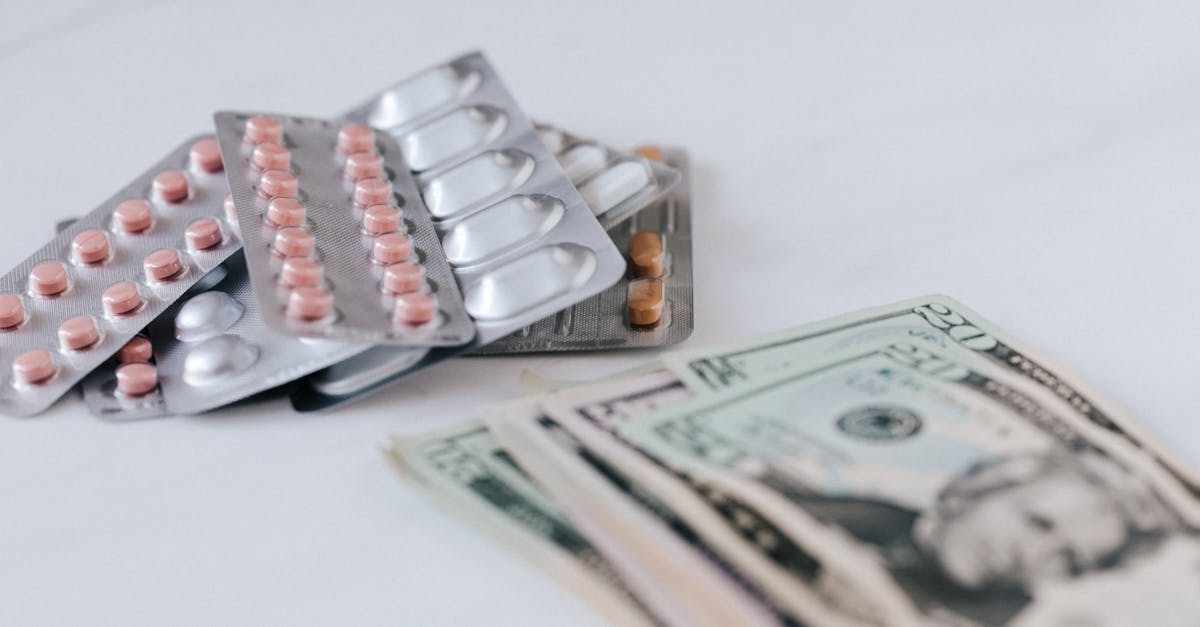
In a move with potential implications for Hawaii's businesses and residents, former President Donald Trump announced on Friday deals with nine major pharmaceutical companies to reduce prescription drug prices. This initiative is part of a broader effort to bring U.S. drug costs in line with those in European nations. The agreements, according to a report by CNN, involve the companies selling medications to Medicaid at "most-favored-nation" prices, which should match the lowest prices available in other developed countries.
The implications for Hawaii's business landscape are potentially significant. Reduced drug costs could alleviate some of the financial burden on local businesses that provide health insurance to their employees. This could lead to a decrease in healthcare spending, freeing up resources for other investments or business operations. However, the extent of these benefits remains to be seen. As CBS News notes, experts have expressed some skepticism about the impact on Medicaid patients, as the program already has a "best price" protection. Furthermore, the agreements' impact on the broader healthcare market in Hawaii and any corresponding effects on local businesses and healthcare providers will be an area to watch.
The deals also include commitments from the drugmakers to invest in U.S. manufacturing and research and development. While this may not directly affect Hawaii, it could indirectly influence the state's economy through supply chain adjustments and potential shifts in the pharmaceutical industry's focus. The long-term effects on Hawaii's economy and healthcare system depend on the details of the deals and the response of the insurance industry and healthcare providers in the state.


