Volcano Viewing Surge to Impact Tourism Operators and Local Businesses in Weeks
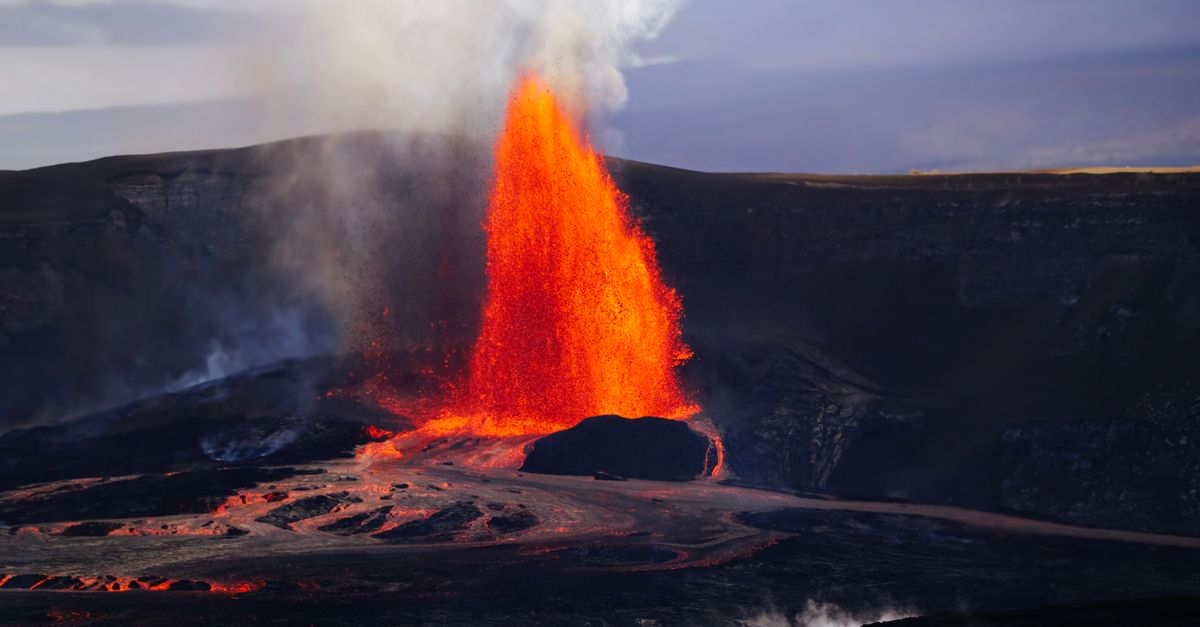
An active lava fountaining event at Hawaiʻi Volcanoes National Park (HVNP) is creating an immediate and significant increase in visitor traffic, placing immediate pressure on tourism and hospitality sectors, particularly on the Island of Hawaiʻi. Businesses within or near the park's operational vicinity need to prepare for an influx of tourists seeking to witness this natural spectacle.
The Change
The current active lava fountaining at HVNP, a rare and dramatic display, has become a major draw, leading to a substantial surge in visitors in recent days. While specific visitor numbers for the exact period of the fountaining are still being compiled, anecdotal reports from park officials and local businesses indicate a marked increase well beyond typical winter season averages. This phenomenon is expected to continue as long as the eruption remains visible and accessible, potentially lasting for weeks.
Who's Affected
Tourism Operators Businesses directly serving the influx of visitors to HVNP will experience the most immediate impact. Hotels, bed and breakfasts, vacation rentals, tour operators (including guided hikes, helicopter tours, and bus tours), and restaurants in Volcano Village and surrounding areas like Hilo and Pāhoa should anticipate a sharp rise in demand. This could translate to a 15-25% increase in bookings and revenue over the next 30-60 days, contingent on the duration of the eruption and continued public interest. However, this surge also presents challenges in terms of staffing, inventory management, and maintaining service quality under increased pressure. Capacity at local accommodations is already a concern, and this event will exacerbate that.
Small Business Operators Beyond explicit tourism providers, other small businesses in the vicinity of HVNP will likely see an uptick in activity. Restaurants, gift shops, convenience stores, and fuel stations will experience higher foot traffic and sales volume. Retailers should prepare inventory for increased demand, potentially requiring expedited restocking. Small service businesses, such as those providing vehicle rentals or shuttle services, may also see a temporary boom. The primary risk for these businesses is being unprepared for the sudden rise in customer volume, which could lead to stockouts, extended wait times, and overworked staff, potentially damaging customer satisfaction and future patronage if not managed effectively.
Real Estate Owners Property owners with short-term rentals (STRs) in Volcano Village and nearby towns are likely to see a rapid increase in booking rates and occupancy. This surge could temporarily drive up short-term rental prices and reduce availability for longer-term rentals or local residents. For owners not actively marketing for this specific event, there is an immediate opportunity to capitalize on the heightened demand. However, the transient nature of such events means that property owners should also be prepared for a potential return to normal demand levels once the fountaining subsides.
Second-Order Effects
The surge in visitors to HVNP creates a cascading effect across Hawaiʻi's economy, already characterized by logistical constraints. Increased visitor traffic and demand for local services translate to higher demand for perishable goods, potentially straining local supply chains and leading to temporary price increases for food and fuel in the affected region. It also puts additional pressure on existing infrastructure, including roads and waste management, which are particularly sensitive in rural areas surrounding the park. Furthermore, a sustained increase in visitors could exacerbate existing labor shortages in the hospitality sector, forcing businesses to offer higher wages and benefits to attract and retain staff, ultimately impacting operating costs and profit margins for all local businesses.
What to Do
Tourism Operators: Immediately assess current staffing levels and cross-train employees to handle increased demand across different roles. Review inventory for food, beverages, and accommodation supplies and place expedited orders where possible. For tour operators, communicate any capacity limitations clearly to customers to manage expectations and avoid overbooking. Consider implementing surge pricing for bookings made within the next 14 days, provided it aligns with business strategy and local regulations. Ensure all guest-facing staff are briefed on park conditions and potential safety guidelines.
Small Business Operators: Proactively increase inventory levels for high-demand items such as snacks, drinks, and souvenirs. Schedule additional staff shifts or bring in temporary help if possible to cover increased customer traffic. Communicate any potential delays or stockouts to customers proactively. For businesses reliant on visitor traffic, consider extending operating hours during peak visitor times, especially on weekends and evenings. Ensure cash registers and payment systems are prepared for higher transaction volumes.
Real Estate Owners: For owners of STRs near HVNP, immediately update availability calendars and pricing to reflect the surge in demand. Consider offering package deals that include local tours or dining to enhance value. For property managers, ensure cleaning and maintenance crews are prepared for increased turnover and coordinate schedules efficiently to meet guest arrival and departure timelines. Longer-term landlords should anticipate that the short-term demand might temporarily reduce the pool of available housing for local residents or long-term tenants.


