


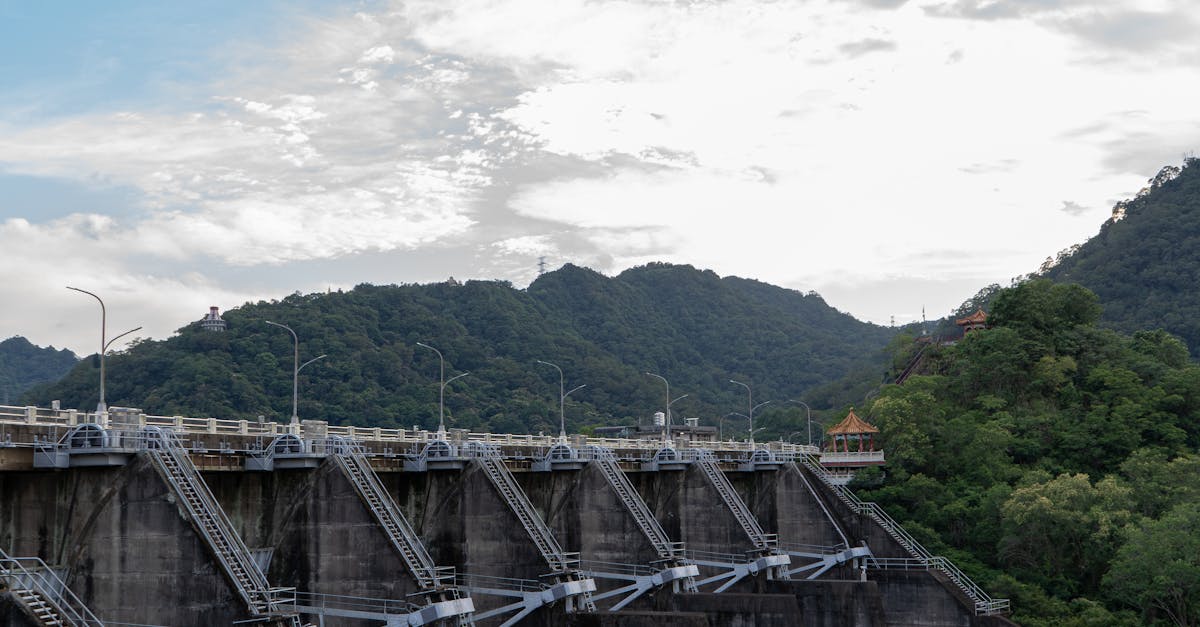
Wahiawa Dam Rehab May Trigger Traffic Delays and Increased Logistics Costs for North Shore Businesses
Executive Brief
The state's acceleration of safety upgrades for the Wahiawa Dam introduces potential disruptions to transportation infrastructure on Oahu's North Shore. Businesses relying on road access in this region should anticipate intermittent traffic delays and longer transit times due to ongoing construction activities, which could necessitate adjustments to supply chain management and operational planning. Monitoring official construction advisories and proactively reassessing logistics routes are the recommended steps.
- Small Business Operators: Potential for delayed deliveries, increased transportation expenses, and minor impacts on customer access.
- Real Estate Owners: Properties located near construction zones may face temporary access restrictions or increased noise levels.
- Tourism Operators: Scheduled tours and transportation services to North Shore attractions may encounter delays.
- Agriculture & Food Producers: Farm-to-market logistics and delivery schedules could be affected.
- Action: Monitor construction advisories closely and explore alternative transportation routes or schedules to mitigate potential disruptions.
The Change
The Hawaii Department of Land and Natural Resources (DLNR) is moving forward with accelerated safety rehabilitation of the Wahiawa Dam. Following a near-failure event that prompted emergency evacuations for thousands of residents in March 2026, the state has prioritized these critical repairs to mitigate future risks. While the exact start date for extensive rehabilitation work beyond initial stabilization efforts is not yet finalized, the commitment to proceed means that significant construction activity, including potential road closures and traffic rerouting, is anticipated over the coming months and potentially years.
Who's Affected
Small Business Operators (small-operator): Businesses operating on or relying on deliveries to Oahu's North Shore (e.g., restaurants, retail stores, service providers) may experience increased operational costs due to longer transit times for supplies and potential delays in customer access to their locations. Intermittent road closures and increased congestion near the dam site could impact delivery schedules and efficiency. Small businesses are advised to build buffer time into their logistics and potentially explore off-peak delivery windows where feasible.
Real Estate Owners (real-estate): Property owners and managers on the North Shore should be aware that construction activities could lead to temporary disruptions, such as increased noise pollution and limited access to adjacent roads. While the dam's structural integrity is the primary concern, adjacent infrastructure upgrades or maintenance associated with the rehabilitation project could affect property accessibility and desirability in the immediate vicinity.
Tourism Operators (tourism-operator): Businesses dependent on visitor traffic to the North Shore, including hotels, tour companies, and shuttle services, will need to monitor construction schedules closely. Potential road closures or significant traffic delays could impact tour itineraries, flight connections for arriving tourists, and the overall visitor experience. Proactive communication with clients and potential adjustments to routing will be crucial.
Agriculture & Food Producers (agriculture): Farms and food producers on the North Shore or those transporting goods through the affected corridor face logistical challenges. Longer travel times for agricultural products to reach markets or processing facilities could affect freshness and potentially increase spoilage rates. The reliable movement of perishable goods may require contingency planning.
Second-Order Effects
- Construction-related traffic congestion on Kamehameha Highway → Extended delivery times for North Shore businesses → Increased operating costs for restaurants and retailers → Potential for higher consumer prices on food and goods.
- Intermittent road closures and traffic delays → Reduced accessibility to North Shore attractions → Shift in tourist itineraries potentially impacting local businesses reliant on visitor foot traffic → Decreased demand for certain tourism services.
- Diversion of state resources to dam rehabilitation → Delayed timelines for other non-critical infrastructure projects on Oahu → Potential long-term impact on overall transportation network efficiency.
What to Do
Action Details: Businesses and individuals on Oahu's North Shore should actively monitor updates from the Hawaii Department of Transportation (HDOT) and DLNR regarding the Wahiawa Dam rehabilitation project. Look for announcements detailing specific construction timelines, anticipated road closures, and traffic advisories. Develop contingency plans for logistics and transportation, which may include pre-ordering supplies, adjusting delivery schedules to avoid peak congestion, or identifying alternative routes where possible. For tourism operators, communicate potential delays proactively with customers and review tour routes for flexibility. Consider subscribing to relevant traffic alert services or following official agency social media accounts for real-time updates.
Monitor: Official construction schedules and traffic advisories released by DLNR and HDOT. Pay attention to changes in traffic patterns on Kamehameha Highway and adjacent routes.
Trigger: Significant, prolonged road closures or sustained traffic delays (e.g., exceeding 60 minutes on key routes) lasting more than two consecutive weeks, or official communication indicating a prolonged construction phase that will impact major transport arteries for over six months.
Action if Triggered: Immediately review and implement pre-determined contingency plans for supply chain management, delivery logistics, and customer access. If delays substantially impact operations or revenue, consider temporary adjustments to business hours or service offerings. For tourism operators, reroute tours or provide alternative transportation options if feasible and communicate transparently with affected clients.


