Wahiawa Dam Upgrade Costs Triple, Raising Water Security Concerns for Agriculture and Real Estate
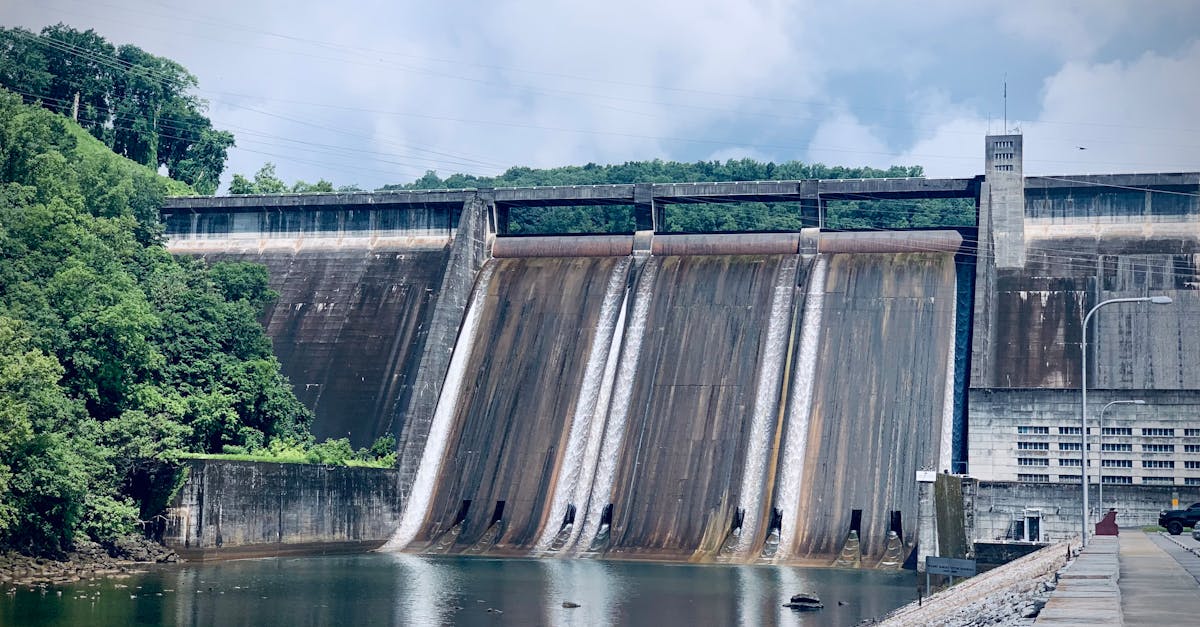
The state Land Board has approved the acquisition of the controversial Wahiawa Dam and Reservoir, a move now coupled with a dramatic escalation in projected upgrade costs. The estimated price tag for necessary improvements has more than tripled, jumping from an initial $20 million to a staggering $67 million. This significant increase introduces considerable financial risk and raises questions about future water availability and land use policies in the central Oahu region. The acquisition itself, intended to bring the dam under state management for long-term safety and reliability, is now overshadowed by the magnitude of the remediation expenses.
Who's Affected
Agriculture & Food Producers (agriculture): For farmers and food producers reliant on consistent water supply in central Oahu, the escalating cost of the Wahiawa Dam upgrade poses a direct threat. The dam is a critical component of the region's irrigation infrastructure. A delayed or underfunded upgrade could lead to water restrictions, increased water pricing, or unreliable access, directly impacting crop yields for staples like taro and pineapple, as well as other agricultural operations. The uncertainty surrounding the project's financial backing and timeline means businesses must prepare for potential disruptions to their water-dependent operations. Aquaculture operations could also face similar risks.
Real Estate Owners (real-estate): Property owners and developers in the vicinity of Wahiawa and surrounding central Oahu areas should be aware that infrastructure project delays or cost overruns can impact development potential and land values. Reliable water infrastructure is a prerequisite for many types of development. If the dam upgrades are significantly delayed due to funding challenges, it could stall or complicate new residential or commercial projects that rely on this water source. Furthermore, any eventual cost passed down through increased water rates or special assessments could affect property operating expenses and marketability.
Investors (investor): Investors looking at agricultural land, development projects, or related environmental infrastructure in central Oahu need to reassess the financial projections tied to this dam upgrade. The $47 million increase in projected costs represents a substantial shift in capital expenditure. This could lead to increased scrutiny of state funding mechanisms, potential tax implications, or the necessity for private-public partnerships. Investors should investigate the funding plan for the $67 million, as well as contingency plans, as these will directly influence the economic viability of projects in the affected watershed.
Second-Order Effects
The tripling of the Wahiawa Dam upgrade costs is not an isolated fiscal event. This substantial increase in public expenditure for critical infrastructure could divert funds or attention from other essential projects across the state. For agriculture, a potential scarcity or increased cost of water from the Wahiawa Reservoir could lead to a decrease in local food production, potentially increasing reliance on imports and driving up consumer food prices. For real estate, if development is hampered by water infrastructure concerns, it could exacerbate existing housing shortages, further straining the market and potentially increasing rental costs for residents.
What to Do
Given the "WATCH" action level, stakeholders should focus on monitoring key indicators and developments related to the Wahiawa Dam project. The substantial cost increase necessitates diligence to anticipate and mitigate potential operational or financial repercussions.
Agriculture & Food Producers: Monitor reports from the Hawaii Department of Agriculture and the Water Resources Branch of the Department of Land and Natural Resources (DLNR) regarding the dam's upgrade funding status and revised project timelines. Pay close attention to any public notices or discussions about potential changes in water allocation policies or irrigation water rates for the Wahiawa Irrigation System. Be prepared to adjust crop planning or explore water-efficient technologies if restrictions become likely.
Real Estate Owners: Track news and official statements from DLNR and the City and County of Honolulu Department of Planning and Permitting concerning the dam's revised upgrade schedule and its potential impact on zoning and development approvals in central Oahu. Assess current and future development plans for any reliance on water availability tied to the reservoir. Consider including clauses in new lease agreements that account for potential shifts in infrastructure-related utility costs.
Investors: Observe legislative sessions and state budget proposals for how the $67 million for the Wahiawa Dam upgrade is being funded. Research the financial health and solvency of entities involved in the dam's management and upgrade. If the project's funding appears unstable or contingent on uncertain revenue streams, consider this a significant risk factor for any investments tied to land or water resources in the Wahiawa watershed. Look for any formalization of public-private partnerships that might offer alternative funding but also new contractual obligations.