


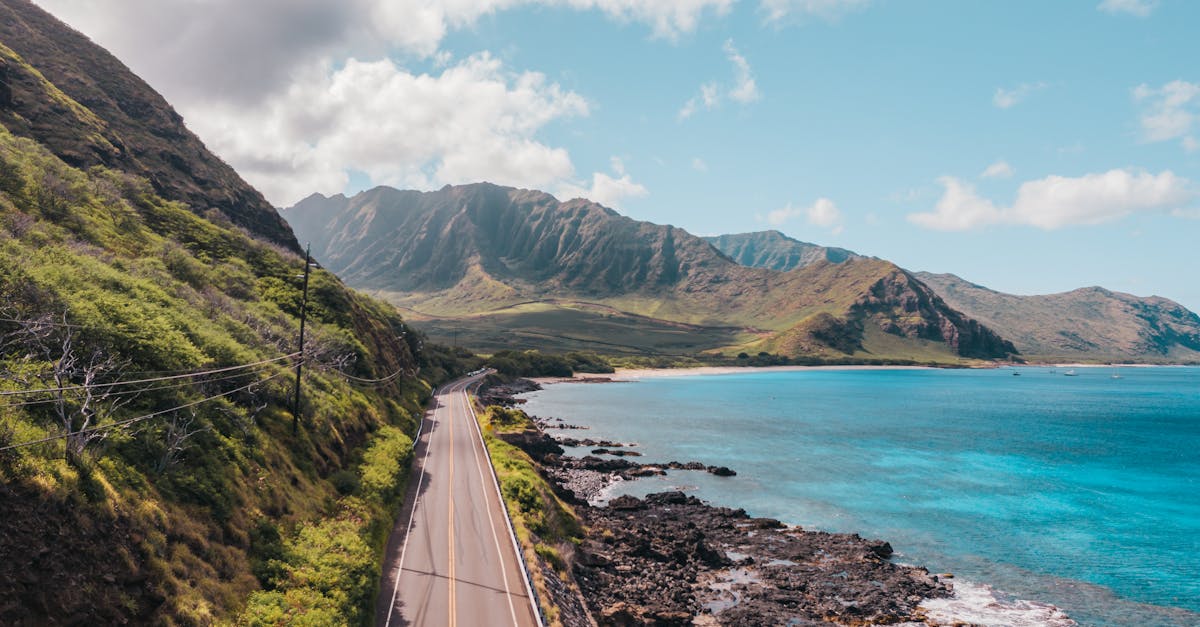
Persistent Flooding Threatens Waianae Business Operations
Recent storm surge and high surf events have repeatedly impacted the Waianae coast, escalating the risk of significant property damage and operational disruptions for businesses in the area. The observed pattern of recurring inundation, as evidenced by residents deploying sandbags for kitchens, signals a chronic threat rather than a one-off event. This recurring vulnerability necessitates an urgent re-evaluation of business continuity strategies for any enterprise located in or reliant on the Waianae coastline.
Who's Affected
Small Business Operators (small-operator): Businesses operating within Waianae, such as restaurants, retail shops, and local service providers, face direct physical damage to inventory and premises. Repeated flooding can lead to extended business closures, resulting in significant revenue loss and potential loss of customer base. The cost of repairs, increased insurance premiums, and potential need for structural retrofitting will impact operating margins. Staffing can also be affected if employees face difficulties reaching work or if their own properties are damaged.
Real Estate Owners (real-estate): Property owners, landlords, and property managers with assets in Waianae are confronted with a heightened risk of structural damage, increased insurance claim frequency, and potentially higher insurance premiums. Coastal properties may experience accelerated erosion and devaluation if not adequately protected. Developers considering new projects in the area must factor in significantly higher costs for resilient construction, flood mitigation infrastructure, and potentially longer permitting timelines due to environmental assessments.
Tourism Operators (tourism-operator): Hotels, vacation rental owners, tour operators, and hospitality businesses in Waianae are at risk of service disruptions. Flooding can damage hotel facilities, render vacation rentals inaccessible, and force tour cancellations, directly impacting visitor experience and revenue. The need to communicate closures or changes to tourists adds an operational burden. Repeated disruptions could harm the destination's reputation for reliability.
Second-Order Effects
Persistent flooding in Waianae can trigger a cascade of negative economic consequences for Oahu. Increased insurance claims and repairs for businesses and residences could lead to higher overall insurance premiums across the island, impacting all policyholders. Business closures, even temporary ones, reduce local economic activity, potentially leading to job losses or reduced working hours for employees, thereby decreasing household spending. Furthermore, if coastal businesses are forced to relocate or close permanently, it could diminish the unique character of the Waianae community, affecting local employment and potentially increasing demand for services in other, less affected, areas, thereby increasing costs there.
What to Do
For Small Business Operators:
- Conduct an immediate property vulnerability assessment: Document current flood mitigation measures (e.g., sandbags, barriers, elevation of critical equipment). Identify structural weaknesses. This should be done by April 18.
- Review insurance policies: Verify flood insurance coverage. Understand deductibles, coverage limits, and claim procedures. Contact your insurance broker by April 20 to discuss potential policy enhancements or gaps.
- Develop or update a business continuity plan: Outline procedures for temporary closure, communication with staff and customers, inventory protection, and a phased reopening process. Practice key elements of the plan by April 25.
- Explore mitigation options: Research and obtain quotes for permanent floodproofing solutions (e.g., elevating structures, installing flood vents, reinforcing foundations). Consult with local contractors specializing in coastal resilience by May 1.
For Real Estate Owners:
- Assess property flood risk: Evaluate the elevation of structures, proximity to the shoreline, and historical flood data for your specific property. Engage a qualified engineer or coastal consultant by April 22.
- Verify and upgrade insurance: Ensure adequate flood insurance is in place for all rental or commercial properties. Discuss potential for increased coverage or specialized coastal insurance options with your agent by April 24.
- Reinforce tenant agreements: For rental properties, review lease clauses regarding property damage and tenant responsibilities during extreme weather events. Communicate preparedness guidelines to tenants by April 26.
- Investigate long-term mitigation: Explore options for property elevation, seawalls (where permissible), or land swaps if the risk becomes economically unviable. Consult with local planning departments and coastal engineers regarding feasibility and permitting by May 5.
For Tourism Operators:
- Update emergency communication protocols: Ensure clear, rapid communication channels are established to inform guests, tour participants, and staff about potential service disruptions or cancellations. Test these protocols by April 19.
- Develop alternative operational plans: For tours or activities dependent on specific coastal access in Waianae, identify viable alternative locations or rescheduling policies. Have backup itineraries ready by April 23.
- Review cancellation and refund policies: Ensure policies are clear and fair for customers affected by weather-related disruptions. Communicate these policies prominently on your website and booking platforms by April 25.
- Monitor weather forecasts diligently: Establish a routine for checking long-range and short-term weather forecasts, paying close attention to surf advisories and flood watches issued by the National Weather Service. Integrate this monitoring into daily operational checks starting immediately.


