Waikiki Hotel Renovations Signal Shift to 'Barefoot Luxury,' Prompting Competitor Watch
Executive Brief
A $100 million investment in Waikiki hotel renovations will gradually shift market offerings towards a 'barefoot luxury' segment, potentially attracting a different tourist demographic and influencing competitor strategies over the next 3-5 years. Tourism operators and investors should monitor evolving guest expectations and market positioning.
- Tourism Operators: Expect evolving guest preferences for higher-end, experience-driven stays; consider repositioning or enhancing service offerings.
- Real Estate Owners: Property values in prime Waikiki locations may see increased demand from luxury-focused brands or operators.
- Investors: Emerging opportunities in high-touch hospitality services and complementary luxury goods/experiences.
- Action: Watch for shifts in visitor spending patterns and competitor amenity upgrades. If competitor A upgrades significantly, consider a 10% increase in marketing for your superior experience.
The Change
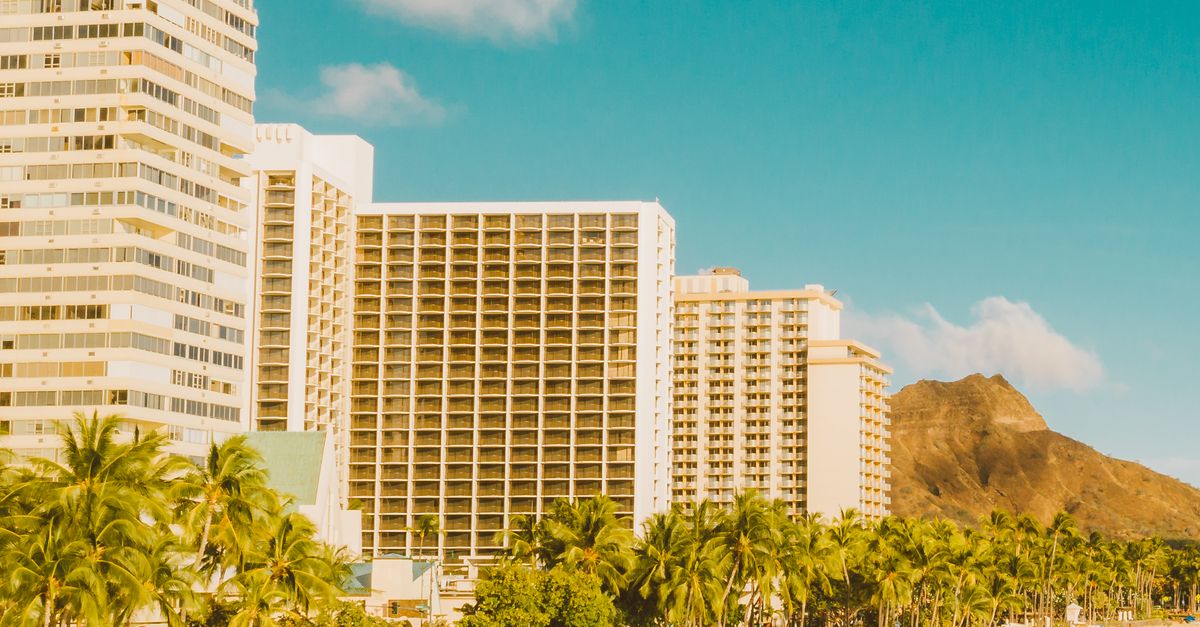
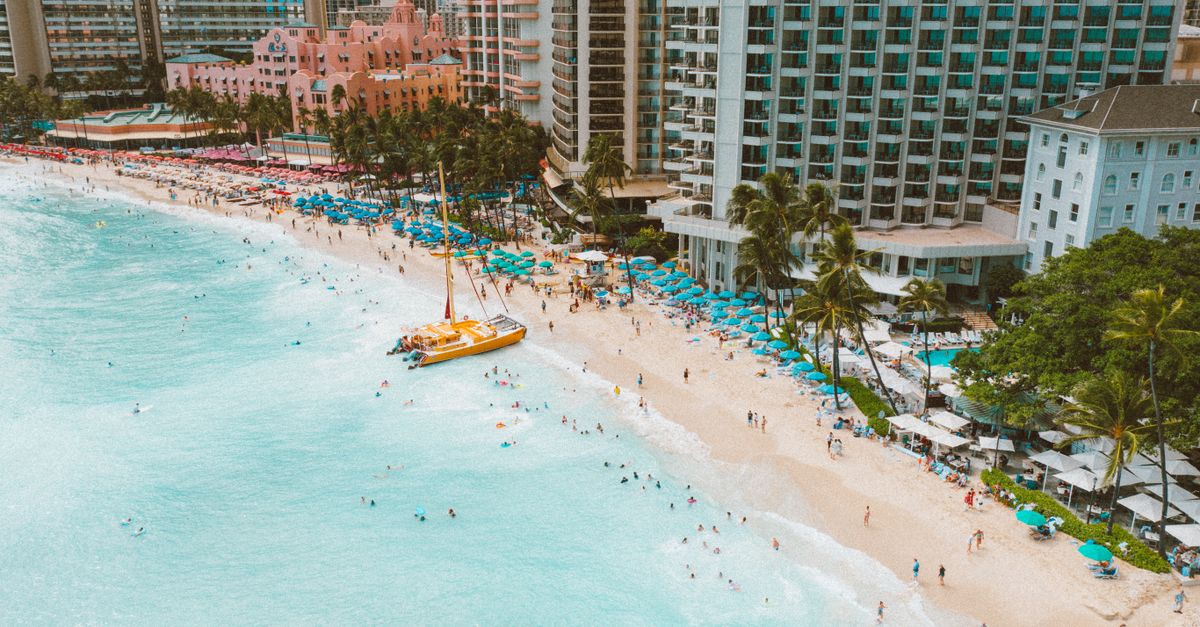
Outrigger Hotels and Resorts is undertaking a comprehensive $100 million renovation of its Waikiki Beach Resort, with guest room overhauls set to debut in the third quarter of 2026. This extensive project, completing a five-year strategic plan for all Hawaii properties, signals a deliberate move toward a 'barefoot luxury' market segment. This approach emphasizes high-quality, authentic experiences combined with premium amenities and personalized service, moving beyond traditional mass tourism.
Who's Affected
Tourism Operators
Hotels, tour operators, and other hospitality businesses in Waikiki and surrounding areas will need to observe the impact of this 5-year renovation plan. The introduction of 'barefoot luxury' accommodations can attract a demographic willing to spend more on curated experiences, potentially drawing visitors who prioritize quality over sheer volume. This may necessitate competitors reassessing their own service levels, room amenities, and overall guest experience to remain competitive. Vacation rental operators, in particular, should monitor whether this upscale shift leads to increased demand for premium short-term accommodations or, conversely, draws more visitors to branded hotel experiences.
Real Estate Owners
While this is a renovation of an existing property, the successful repositioning towards a higher-value market segment can influence the perceived value of prime beachfront real estate. Owners of comparable properties in Waikiki may find increased interest from brands seeking to capture this 'barefoot luxury' market. Developers may also re-evaluate future projects, considering a greater emphasis on premium features and services to align with this emerging guest preference. Property managers should be aware that tenants (hotels or resorts) may push for lease terms that reflect higher potential revenue streams associated with this market segment.
Investors
For investors, this $100 million investment signals a commitment to the high-end tourism market in Hawaii. This trend could present opportunities in companies providing services or products that cater to the 'barefoot luxury' aesthetic and guest profile – think premium local craft suppliers, bespoke tour providers, wellness services, or high-end F&B concepts. It also suggests a potential bifurcation in the market, where well-appointed, experience-focused properties command higher occupancy and rates, while less differentiated offerings may face increased pressure. Investors should watch for other major players in the Hawaii market to follow suit, potentially impacting overall market valuations and investment strategies.
Second-Order Effects
This investment in higher-value tourism, while positive for the destination, can exert pressure on local resources and infrastructure. An influx of tourists seeking 'barefoot luxury' experiences may initially focus on premium amenities and services, potentially leading to increased demand for specialized local products and artisanal offerings. This could benefit local agriculture and craft industries that can meet higher quality standards. However, if this upscale segment grows significantly without proportionate infrastructure or labor development, it could exacerbate existing challenges. A potential ripple chain: 'Increased demand for premium experiences → higher labor costs for specialized service roles → increased operational expenses for tourism operators → potential price increases passed to consumers or pressure to maintain margins.'
What to Do
This development requires a WATCH approach over the next 1-3 years. The impact will be gradual as renovations roll out and market perceptions shift.
Tourism Operators: Monitor competitor renovation progress and marketing efforts. Analyze current guest feedback for any emerging preferences for 'barefoot luxury' elements. If a key competitor (e.g., a beachfront resort within a 1-mile radius) heavily markets its new luxury amenities and sees a sustained occupancy jump of over 5%, reassess your own guest experience strategy.
Real Estate Owners: Keep abreast of lease negotiations with hotel operators. If new luxury-focused tenants are seeking space, consider incorporating clauses that reflect the potential for higher revenue generation tied to premium service offerings. Maintain awareness of any luxury-focused branding trends that could affect property valuations.
Investors: Track the performance of Outrigger's renovations and any industry-wide response from competitors. Watch for companies in Hawaii that are uniquely positioned to serve the 'barefoot luxury' demographic, particularly those in sustainable tourism, artisanal products, and high-touch services. If occupancy rates and average daily rates (ADRs) for luxury-leaning hotels in Waikiki see a sustained year-over-year increase of 7% or more, it may signal a broader market shift warranting portfolio adjustments.