


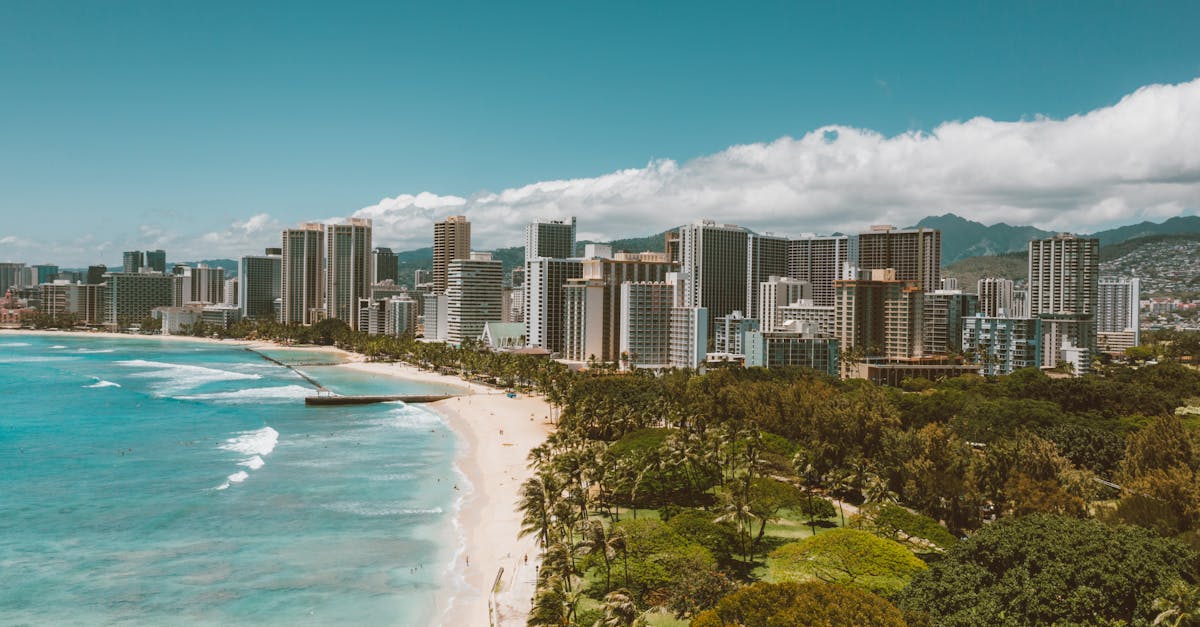
Waikiki Hotel & Tour Operators: Prepare for Increased Salt Lake City Traveler Influx
Executive Brief
Direct flights between Salt Lake City and Honolulu have tripled since 2019, driven by Alaska Airlines and Delta Air Lines expanding capacity to meet escalating demand. This trend indicates a sustained increase in visitor arrivals from the Utah market, presenting both opportunities and potential strain on Hawaii's tourism infrastructure.
- Tourism Operators: Expect a sustained increase in visitor arrivals from the Salt Lake City market, potentially straining existing capacity. Evaluate marketing spend in this region.
- Real Estate Owners: Increased demand may place upward pressure on short-term rental availability and pricing if vacation rental regulations remain unchanged.
- Investors: Note the growing direct connectivity and demand, which could support investments in hospitality and related services.
- Action: Monitor visitor arrival data and airline booking trends; consider increasing marketing efforts in Utah in the next 6-12 months.
The Change
Since 2019, direct flight volume between Salt Lake City International Airport (SLC) and Daniel K. Inouye International Airport (HNL) has expanded by approximately 200%, with direct flights now tripling compared to pre-pandemic levels. This growth is directly attributed to increased capacity and route additions by major carriers, specifically Alaska Airlines and Delta Air Lines, responding to what they perceive as robust and growing passenger demand from the Intermountain West.
The expansion signifies a strategic shift by airlines to capture a larger share of travelers from this growing metropolitan area, establishing a more direct and potentially cost-effective travel option to Hawaii. This trend is expected to continue as airlines respond to sustained booking patterns and leisure travel preferences.
Who's Affected
Tourism Operators (Hotels, Tour Companies, Vacation Rentals)
For businesses reliant on visitor volume, the tripling of direct flights from Salt Lake City is a significant indicator of an expanding market segment. This suggests a sustained influx of travelers from Utah and surrounding regions who will require accommodations, activities, and services. Operators should anticipate increased demand and potentially higher occupancy rates. However, if capacity is not adequately planned for – including staffing and inventory – it could lead to service degradation and missed revenue opportunities. The growth from a single, well-connected hub also presents a concentrated opportunity for targeted marketing and partnership development.
Real Estate Owners
An increase in direct flights often correlates with an increase in visitor arrivals, which can subsequently impact the demand for short-term and long-term accommodations. For owners of vacation rental properties, this trend could lead to higher occupancy rates and potentially increased rental income, assuming existing zoning and regulatory frameworks permit such operations. However, if the influx of tourists outpaces the available housing stock and regulatory capacity, it could lead to increased competition for rental units and upward pressure on prices, potentially affecting affordability for local residents and long-term rental markets.
Investors
This route expansion and demand growth from Salt Lake City represent a tangible signal of a strengthening travel corridor. Investors looking at Hawaii's tourism sector should view this as a positive development indicating sustained interest and potentially higher yields for hospitality-related businesses. The increased connectivity may also de-risk investments in tour operations or lodging facilities that cater to this specific demographic. However, investors should also consider the potential for increased competition and the scalability of operations in managing higher visitor numbers, as well as any shifts in tourism policy that might arise from this growth.
Second-Order Effects
An increased volume of direct flights from Salt Lake City, translating to more visitors, can trigger several ripple effects within Hawaii's constrained island economy. Firstly, higher visitor numbers place greater demand on existing infrastructure, including transportation, water, and energy resources. This increased strain can lead to higher operational costs for businesses. Secondly, sustained higher demand for lodging and tours can put upward pressure on prices for accommodation and activities. This can make Hawaii less competitive relative to other destinations if price increases are significant. Finally, a continuous influx of tourists can exacerbate staffing challenges in the hospitality sector, as businesses struggle to find and retain employees to service the increased volume, potentially leading to wage inflation for frontline workers as employers compete for talent.
What to Do
As a tourism operator, actively monitor visitor arrival statistics from Utah and airline booking trends for flights from SLC to HNL over the next 6-12 months. Consider increasing targeted marketing efforts in the Salt Lake City metropolitan area. If booking trends show consistent growth exceeding 10% year-over-year for this segment, evaluate your current capacity for accommodations, tours, and staffing to ensure you can absorb higher volumes without service degradation. Explore potential partnerships with Utah-based travel agencies or corporate travel departments.
Real estate owners with short-term rental properties should track occupancy rates and average daily rates for rentals originating from or targeting the Utah market. If occupancy consistently exceeds 85% and rates are rising, assess whether your property can accommodate increased demand and ensure compliance with all local rental regulations. If you are considering new acquisitions or developments, factor in the sustained demand indicated by increased air capacity.
Investors should monitor key performance indicators for hospitality businesses and tourism-related services that serve or are geographically proximate to major tourist hubs. Pay attention to profitability margins and occupancy rates in sectors that would directly benefit from increased visitor numbers from the Western US. Any significant, sustained increase in visitor arrivals from this new direct flight corridor (e.g., >10% year-over-year growth) could be a trigger to assess opportunities for expansion or investment in companies that demonstrate strong operational capacity and market penetration within this growing traveler segment.
Action Details: Watch incoming passenger numbers from SLC in monthly arrival reports. If these numbers show a consistent increase of over 10% year-over-year for two consecutive quarters, tourism operators should begin incremental staffing increases and marketing budget allocations toward the Utah market. Real estate owners should prepare for a potential 5-10% increase in rental demand. Investors should consider a deeper dive into Hawaii's tourism financial reports. If sustained growth continues for over 12 months, assess opportunities for strategic partnerships or direct investment in hospitality assets catering to this market.


