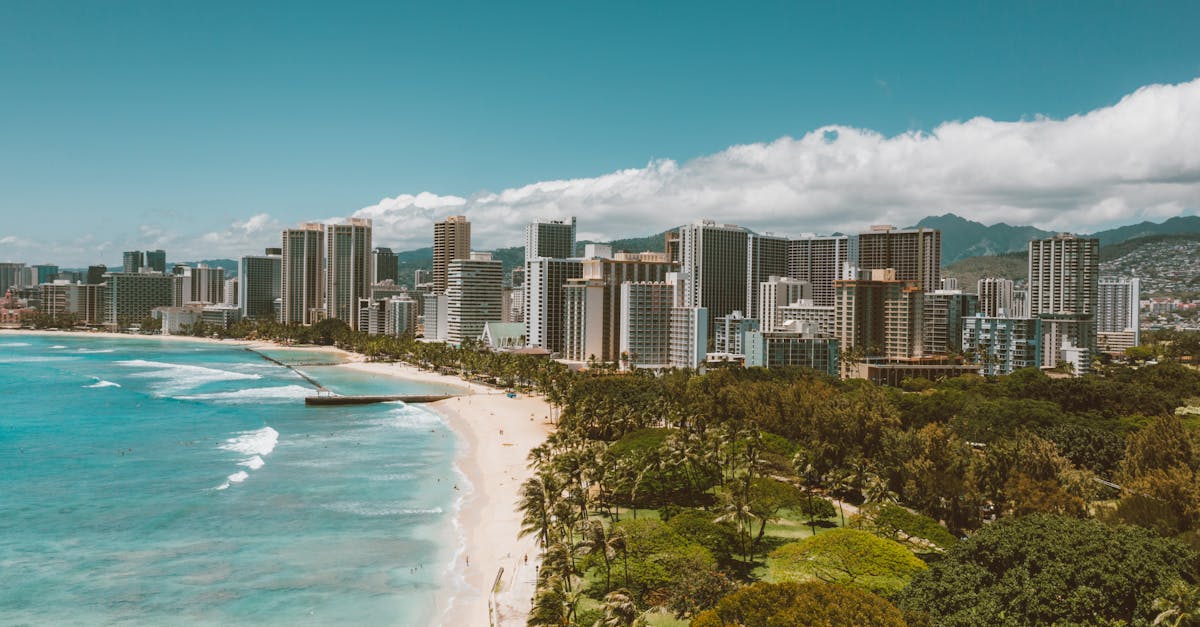
Waikiki Redevelopment Proposal Could Signal New Investment & Competition for Real Estate Owners and Tourism Operators
A recent proposal suggests inviting foreign entities to invest in and redevelop Waikiki’s aging infrastructure and buildings. This initiative, if adopted, could fundamentally alter the competitive landscape for property owners and hospitality businesses in Honolulu’s premier tourist district, while also potentially unlocking new avenues for investment and entrepreneurial ventures.
The Change
The core of the proposal, published on January 24, 2026, is a call for the state or city to actively solicit bids from outside agencies and foreign investors to address the visible decline in Waikiki’s buildings and infrastructure. The author argues that existing local capacities may be insufficient for the scale of renovation required, positing that foreign capital could accelerate much-needed revitalization. This is not yet a policy change but a significant advocacy effort that could influence future legislative and administrative actions.
Who's Affected
-
Real Estate Owners: Property owners, developers, and landlords in Waikiki face the potential for increased competition from well-capitalized foreign entities eyeing undervalued assets. While this could drive up property values in the long term, it also means a more crowded market for development and rental opportunities. Existing owners might see their properties become more attractive for acquisition or partnership, leading to potential divestment opportunities or pressure to upgrade to remain competitive.
-
Tourism Operators: Hotels, vacation rental managers, and other hospitality businesses could experience a mixed impact. Revitalized infrastructure and modernized facilities might enhance the overall visitor experience, potentially boosting visitor numbers. However, newly developed properties, possibly operated by international brands with extensive marketing reach, could intensify competition. Operators who do not invest in upgrading their own facilities might find themselves at a disadvantage.
-
Investors: Foreign investment in Waikiki real estate could create new opportunities for joint ventures, property management contracts, or ancillary services. However, investors should be aware of potential shifts in market valuation and the entry of new, potentially aggressive players. The proposal highlights a recognition of existing asset decay, suggesting that undervalued opportunities for renovation and repositioning might exist.
-
Entrepreneurs & Startups: The ripple effects of a significant redevelopment push could generate demand for construction services, renovation specialists, property technology solutions, and hospitality management expertise. Startups focused on urban renewal, sustainable development, or enhanced tourist services might find fertile ground if such capital inflows materialize. However, scaling within a rapidly changing, competitive market will require strategic agility.
Second-Order Effects
- Increased foreign investment in Waikiki real estate → Higher demand for local construction and labor → Potential wage inflation for skilled trades → Increased project costs for all developers.
- Revitalization of Waikiki infrastructure → Enhanced tourist appeal → Increased visitor arrivals → Greater demand on local resources (water, energy) and services → Potential strain on public utilities and social infrastructure.
- New foreign-backed developments → Potential for modern, potentially more sustainable building designs → Pressure on older properties to meet new environmental standards → Increased maintenance and upgrade costs for existing real estate owners.
What to Do
The proposal is a signal of potential future policy and market shifts, not an immediate mandate. The primary action is to WATCH for official developments regarding foreign investment incentives or regulatory changes concerning Waikiki redevelopment.
-
Real Estate Owners: Monitor county and state initiatives for Waikiki redevelopment. Understand zoning and permitting processes; if new incentives for foreign investment emerge, assess how they might affect your property's value and potential for redevelopment or sale. Research local firms specializing in revitalizing older commercial properties.
-
Tourism Operators: Keep an eye on any announced development projects in Waikiki. Analyze how proposed upgrades could impact visitor demographics and competitive offerings. Benchmark your property and services against emerging trends to identify areas for improvement or differentiation.
-
Investors: Track any government announcements or policy shifts regarding foreign direct investment in Hawaii's real estate sector, particularly in tourist zones. Look for emerging market trends indicating areas of high potential for renovation and repositioning. Consider opportunities in construction, hospitality services, or property management that support large-scale development.
-
Entrepreneurs & Startups: Stay informed about the types of redevelopment projects initiated. Identify gaps in services that support construction, property management, or hospitality in a revitalized Waikiki. Explore potential partnerships with developers or property management firms anticipating new development.
Action Details
Watch for official policy announcements from the Honolulu Department of Planning and Permitting (DPP) or the Hawaii Department of Business, Economic Development, and Tourism (DBEDT) regarding foreign investment incentives or streamlined permitting for large-scale Waikiki redevelopment projects. If such policies are introduced, review your current portfolio or business strategy for alignment with potential opportunities or competitive threats. Consider engaging with commercial real estate consultants specializing in the Waikiki market to gain insights into emerging development trends.