The Change
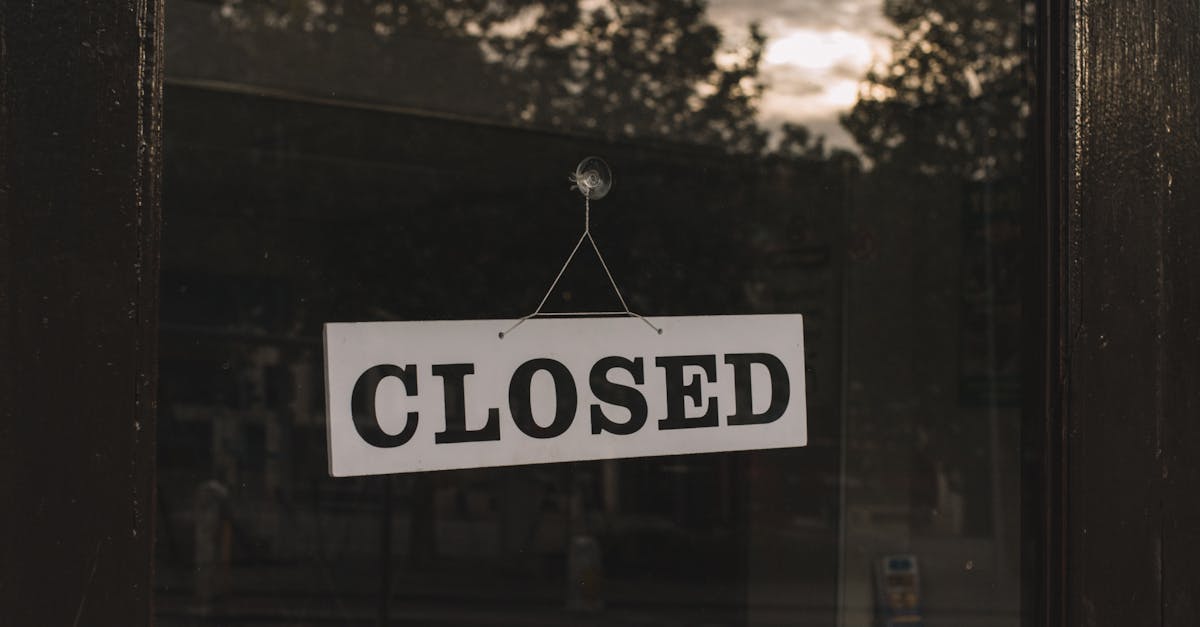
La Tour Cafe Kapolei has announced its closure, effective June 30th, 2026. The decision was attributed to "decreased sales and foot traffic," directly reflecting the mounting operating challenges faced by many in Hawaii's restaurant industry. While this specific closure may be unique to its circumstances, it serves as a critical indicator of broader economic pressures impacting food service businesses across the islands.
Who's Affected
Small Business Operators (especially Restaurants, Cafes, and Food Service Providers): The closure of La Tour Cafe Kapolei highlights a tangible risk for similar establishments. Operators should anticipate potential impacts on:
- Operating Costs: Continual increases in food supplies, labor wages, and utilities can erode already thin margins. If foot traffic is declining, pricing power becomes limited, making it harder to pass these costs on to consumers.
- Revenue: Reduced sales and foot traffic, as cited by La Tour Cafe, can directly impact top-line revenue. This may be due to a combination of economic factors, changing consumer habits, or increased competition.
- Business Model Viability: Businesses reliant on high foot traffic or specific market segments may find their current models unsustainable if market conditions deteriorate. A review of menu pricing, operational efficiency, and target customer base is advisable.
Real Estate Owners (Commercial Property Landlords, Property Managers):
- Vacancy Risk: The closure of a tenant like La Tour Cafe increases the risk of vacancies in commercial food-service spaces, particularly in areas experiencing similar declines in foot traffic. This can lead to lost rental income and increased costs associated with finding new tenants.
- Lease Negotiations: Landlords may face pressure to offer more favorable lease terms, such as rent reductions or tenant improvement allowances, to attract or retain food service tenants in a challenging market.
- Property Value: Prolonged vacancies or a trend of struggling food service businesses can negatively impact the perceived value of commercial retail properties.
Investors (Venture Capital, Angel Investors, Portfolio Managers):
- Sector Risk Assessment: The closure serves as a cautionary signal for the food service and hospitality sector. Investors should reassess their exposure to restaurant and cafe businesses, factoring in an increased risk of underperformance or closure.
- Due Diligence: For new investments, enhanced due diligence is required to scrutinize business models, financial health, and resilience to economic headwinds.
- Market Trends: Investors should watch for broader trends in consumer spending, tourism, and labor costs that could affect profitability across the sector.
Tourism Operators (Hotels, Tour Companies, Hospitality Businesses):
- Visitor Experience: A reduction in dining options can impact the overall visitor experience. If popular or well-regarded eateries close, it may affect hotel recommendations and tour itineraries.
- Supplier Relationships: Businesses that supply the food service industry may see reduced demand, affecting their own revenue and stability.
Second-Order Effects
The closure of establishments like La Tour Cafe Kapolei can initiate a cascade of economic impacts. Declining sales and foot traffic in the food service sector can lead to reduced demand for supplies from local agriculture and distributors. This, in turn, can affect the profitability and stability of these upstream businesses. Furthermore, a struggling restaurant sector can result in job losses or reduced hours for food service workers, potentially impacting household incomes and consumer spending across other sectors. This ripple effect can also slow investment in commercial real estate suited for food service, potentially impacting development pipelines and property values.
What to Do
Small Business Operators: Begin an immediate review of your current financial statements and operational metrics. Identify key cost drivers and areas of potential inefficiency. Analyze customer traffic patterns and revenue streams to understand their sustainability. Consider diversification of revenue streams or adjusting your service model. Benchmark your performance against industry averages and explore cost-saving measures without compromising quality or customer experience. If your business has a lease expiring in the next 1-2 years, proactively engage with your landlord to discuss potential challenges and renegotiation terms.
Real Estate Owners: Monitor vacancy rates within your commercial retail portfolios, particularly for food service spaces. Begin a proactive dialogue with existing food service tenants to understand their operational challenges and explore strategies for mutual success. For upcoming lease expirations, reassess rental income projections and be prepared to offer flexible terms or consider re-tenanting strategies if necessary.
Investors: It is recommended to monitor publicly available financial reports and industry analyses for Hawaii's hospitality and food service sectors. Pay close attention to reports from organizations like the Hawaii Restaurant Association for insights into market trends, operational challenges, and profit margins. Diversify your portfolio to mitigate sector-specific risks. If you hold direct investments in restaurants, schedule detailed performance reviews with management and scrutinize balance sheets for signs of financial strain.
Tourism Operators: Review your recommended dining lists for visitors and stay updated on the availability of local eateries. Communicate any significant changes in dining options to your guests or clients. Monitor trends in visitor satisfaction related to local amenities, including food and beverage offerings.