The Change
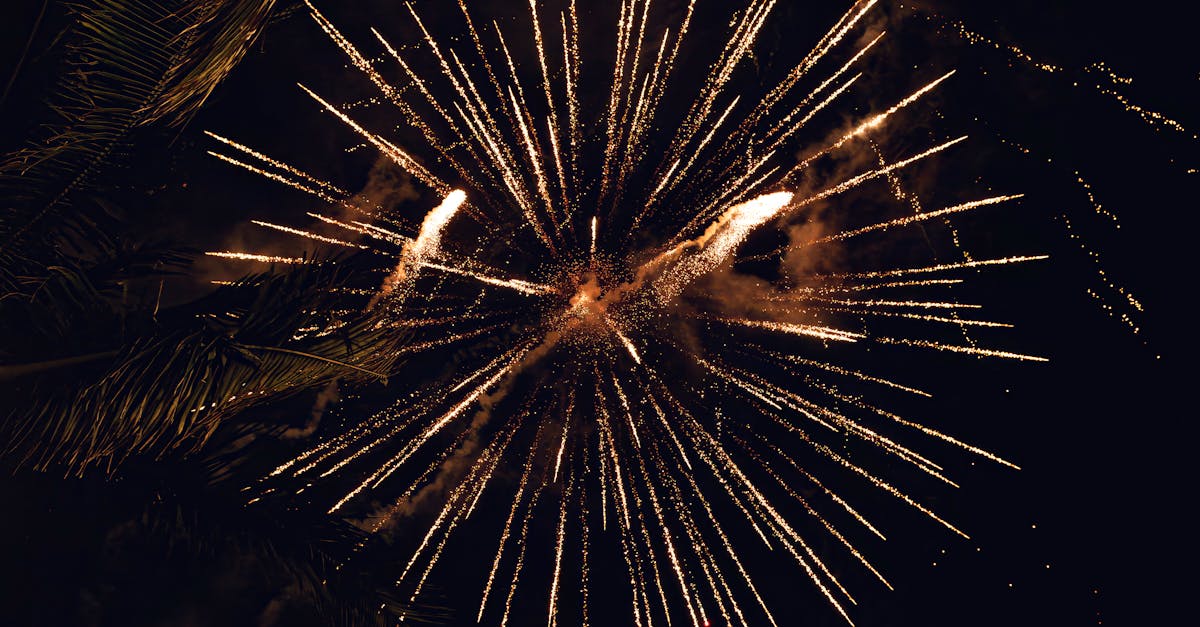
Reports from Oahu residents indicate a palpable reduction in the use of illegal aerial fireworks during recent holiday periods compared to previous years. This trend, though not a complete cessation of the practice, suggests a shift in public tolerance and potentially increased enforcement effectiveness, possibly influenced by heightened awareness following past incidents involving illegal fireworks. While the exact causal factors for this decline are multifactorial, including increased public awareness and possible shifts in enforcement focus, the observed effect is a quieter holiday atmosphere in many locales.
Who's Affected
Small Business Operators: While not directly impacted by fireworks regulations, businesses planning outdoor events, or those in residential areas, may experience a subtle improvement in ambient noise levels. This could marginally enhance customer experience for restaurants with outdoor seating or retail locations. The primary implication is a potentially more predictable and less disruptive holiday environment, which could simplify operational planning for community-focused events. However, the decline is not uniform, and sporadic usage in hotspots may still occur.
Tourism Operators: For hotels, tour companies, and vacation rental hosts, a reduction in disruptive fireworks noise could lead to improved guest satisfaction. Holiday periods are critical for tourism, and a quieter, safer environment can enhance the overall visitor experience, potentially leading to better reviews and repeat bookings. This trend, if sustained and accompanied by robust enforcement, could marginally improve Hawaii's appeal as a peaceful destination. However, the overall reliance on international travel and economic factors will continue to be the primary drivers of tourism.
Real Estate Owners: Property owners, particularly those in residential areas or overseeing properties where fireworks are a frequent nuisance, may see a positive impact on property perception. Reduced noise and the implied safety concerns associated with illegal fireworks can make neighborhoods more attractive. For landlords, this could translate to slightly higher tenant retention or appeal. Developers planning new residential projects might factor in the potential for a more controlled noise environment when assessing community aesthetics and livability, though this is a secondary consideration to zoning and infrastructure.
Second-Order Effects
The observed reduction in illegal fireworks use, if it persists, could have several ripple effects. A quieter holiday season can subtly improve the overall quality of life in residential areas, potentially reducing neighborhood disputes and stress on local law enforcement responding to noise complaints. This, in turn, might free up law enforcement resources for other priorities. For tourism operators, a more peaceful holiday environment could contribute to higher visitor satisfaction, indirectly bolstering demand for local businesses dependent on tourism spending. Furthermore, a sustained decrease in fireworks-related injuries and property damage could lead to lower insurance premiums for affected communities and businesses over the long term, though this effect is highly speculative at present.
What to Do
Action Level: WATCH
This trend of reduced illegal fireworks use is currently observational and lacks definitive policy implementation shifts. No immediate operational changes are required for most businesses. However, staying informed about enforcement efforts and public receptiveness is advisable.
Action Details: Monitor local news and public service announcements regarding fireworks enforcement initiatives and any changes in penalty structures. Observe the pattern of fireworks use during upcoming holiday periods. If there is a clear, sustained decline coupled with increased official enforcement and a reduction in fireworks-related incidents reported by local authorities (e.g., fire department, police department), then tourism operators and businesses planning outdoor events should consider factoring this into their operational and marketing plans for the following year. For real estate owners, a continued calm may reinforce property values in previously affected areas.


