


West Maui and South Kohala Businesses Face Potential Operational Disruptions Due to Wildfire Risk and Power Shutoffs
Executive Brief
Hawaiian Electric has issued a Public Safety Power Shutoff (PSPS) watch for West Maui and South Kohala from February 16-22, requiring businesses in these areas to prepare for potential power outages that could disrupt operations, damage equipment, and impact safety. Small business operators, tourism providers, healthcare facilities, and agricultural producers should implement emergency power plans and secure sensitive equipment before the watch period begins.
- Small Business Operators: Risk of extended downtime, data loss, spoiled inventory, and compromised security systems.
- Real Estate Owners: Potential damage to property management systems, tenant communication disruptions, and security vulnerabilities.
- Tourism Operators: Interruption of guest services, HVAC systems, food preparation, and communication.
- Healthcare Providers: Critical equipment failure, patient life support risks, data access issues, and compromised appointment schedules.
- Agriculture & Food Producers: Loss of refrigeration for perishable goods, failure of irrigation pumps, and disruption of climate-controlled environments.
- Action: Implement emergency power plans and secure critical data/equipment before Feb 16.
The Change
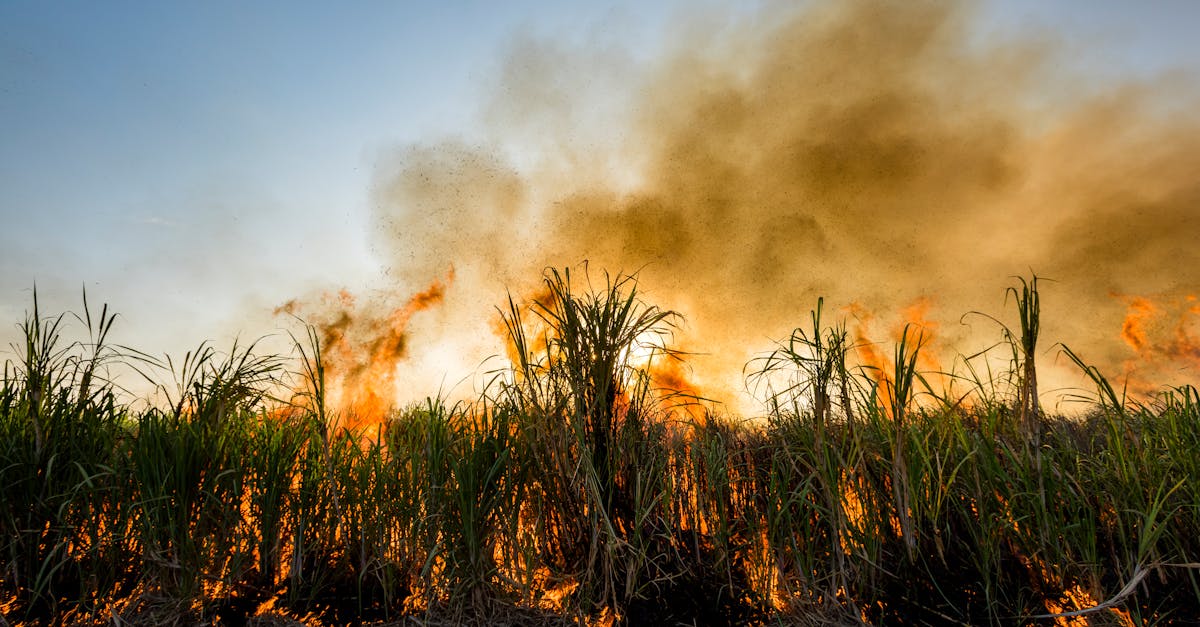
Due to elevated wildfire risk, Hawaiian Electric (HECO) has placed West Maui and the South Kohala district of Hawaii Island under a Public Safety Power Shutoff (PSPS) watch from February 16th through February 22nd, 2026. This watch means that HECO is closely monitoring weather conditions, including high winds and dry vegetation, that could necessitate planned power outages to prevent equipment from igniting fires. While a shutoff is not guaranteed, businesses in these zones must be prepared for the possibility of prolonged interruptions. This proactive measure is designed to protect communities but poses significant operational challenges for those reliant on continuous electricity.
Who's Affected
Small Business Operators (Retail, Restaurants, Services) Businesses operating within West Maui and South Kohala face immediate risks from potential power outages. This includes:
- Financial Losses: Disruption of point-of-sale systems, loss of perishable inventory (e.g., food, pharmaceuticals), and inability to conduct transactions can lead to direct revenue loss. Estimates suggest that a single day of closure due to power failure can cost small businesses thousands of dollars, not including potential inventory spoilage.
- Operational Downtime: Lack of power impacts lighting, HVAC, refrigeration, cooking equipment, and essential digital infrastructure (internet, servers). Extended outages could necessitate temporary closure, impacting staffing and customer service.
- Data Security: Uninterrupted operations of servers and security systems are crucial. Power surges during restoration or abrupt shutdowns can lead to data corruption or loss if not properly protected.
Real Estate Owners (Commercial & Residential) Property owners and managers in affected areas should anticipate challenges related to infrastructure and tenant communication.
- Property Management Systems: Access to building security, elevator operations, common area lighting, and tenant communication portals may be lost, hindering maintenance and security oversight.
- Tenant Impact: Residents and commercial tenants will experience direct disruptions, potentially leading to complaints and demands for concessions depending on lease agreements.
- Security Vulnerabilities: Without power, security systems, cameras, and common area lighting may fail, increasing risks of theft or vandalism.
Tourism Operators (Hotels, Resorts, Vacation Rentals, Tour Companies) The tourism sector is particularly vulnerable to power disruptions, which directly affect guest experience and operational capacity.
- Guest Services: Loss of power impacts HVAC, lighting, in-room amenities, Wi-Fi, elevators, and food and beverage services. Hotels may face significant costs for backup generators and fuel, and for managing guest dissatisfaction.
- Activity Cancellations: Tour operators relying on power for booking systems, communication, or equipment (e.g., boat engines, specialized gear) may have to cancel or reschedule activities, impacting revenue and reputation.
- Reputational Damage: Extended or repeated outages can lead to negative reviews and decreased bookings, affecting future revenue streams.
Healthcare Providers (Clinics, Private Practices, Pharmacies) Continuous power is critical for the functioning of healthcare services, making these entities high-priority targets for preparedness.
- Patient Safety: Life-sustaining equipment (e.g., dialysis machines, ventilators) and critical diagnostic tools (e.g., imaging machines, lab equipment) require reliable power. Backup power must be robust and sufficient for anticipated outage durations.
- Data Integrity: Electronic health records (EHRs) and patient billing systems are entirely dependent on power. Data loss or inaccessibility during an outage can create significant administrative burdens and patient care risks.
- Medication Storage: Refrigerated medications and vaccines require uninterrupted cold chain maintenance. Outages can lead to spoilage and significant financial loss.
Agriculture & Food Producers Agricultural operations face unique challenges related to environmental controls and perishable goods.
- Irrigation and Pumping: Reliance on electric pumps for irrigation, water management, and potentially frost protection can be severely impacted.
- Food Spoilage: Refrigeration and freezing units for harvested crops, processed foods, and aquaculture products are at immediate risk, leading to substantial product loss.
- Climate Control: Greenhouses and controlled environment agriculture facilities depend on power for lighting, ventilation, and temperature regulation, essential for crop viability.
Second-Order Effects
A PSPS event, even if brief, can trigger cascading effects within Hawaii's island economy. An unexpected power outage for a significant portion of a business day could lead to a surge in demand for limited backup generator services and fuel from businesses that failed to prepare. This surge could drive up rental costs for generators and spot prices for diesel fuel in the immediate aftermath. For tourism operators, a sustained outage requiring cancellations could lead to a short-term dip in local visitor spending, impacting linked service providers like rental car companies and restaurants. Furthermore, the economic shock of lost productivity and revenue, even if temporary, contributes to overall business uncertainty, potentially delaying investment or expansion plans for affected small businesses and entrepreneurs over the medium term. The cumulative impact of repeated or prolonged outages due to wildfire risk could also influence insurance premiums for businesses in high-risk zones.
What to Do
Small Business Operators
- Action: Develop or review your emergency preparedness plan. Ensure critical equipment (POS systems, servers, refrigeration) has battery backup or surge protection. Back up all critical data off-site or to the cloud. Communicate potential disruptions to staff and key suppliers.
- Timeline: Complete data backups and review emergency kits by February 15th. Identify local backup power rental options immediately.
Real Estate Owners
- Action: Verify that emergency generator systems for common areas and essential building functions are operational and fueled. Communicate the PSPS watch and preparedness advice to all tenants. Review security protocols for a potential loss of power.
- Timeline: Confirm generator readiness and tenant communication by February 15th.
Tourism Operators
- Action: Charge all essential mobile devices and communication equipment. Pre-emptively secure backup power for critical guest services (e.g., lobbies, communication hubs). Notify staff of emergency procedures and establish clear guest communication protocols regarding potential service interruptions.
- Timeline: Ensure backup power systems are fueled and tested by February 15th. Brief all guest-facing staff by February 15th.
Healthcare Providers
- Action: Activate your emergency power plan. Ensure backup generators are fully fueled and tested for critical medical equipment and life support systems. Verify that cold chain storage for medications and vaccines is secure and has adequate backup. Inform patients of potential appointment changes or service disruptions.
- Timeline: Full activation and testing of emergency power systems by February 15th.
Agriculture & Food Producers
- Action: Implement contingency plans for refrigeration and climate control. Consider temporary off-site storage for high-value perishable goods if feasible. Ensure water management systems have manual override options or backup power.
- Timeline: Secure storage solutions and test manual overrides by February 15th.

