Power Outages and Flooding Pose Immediate Threat to Hawaii Businesses
The Change
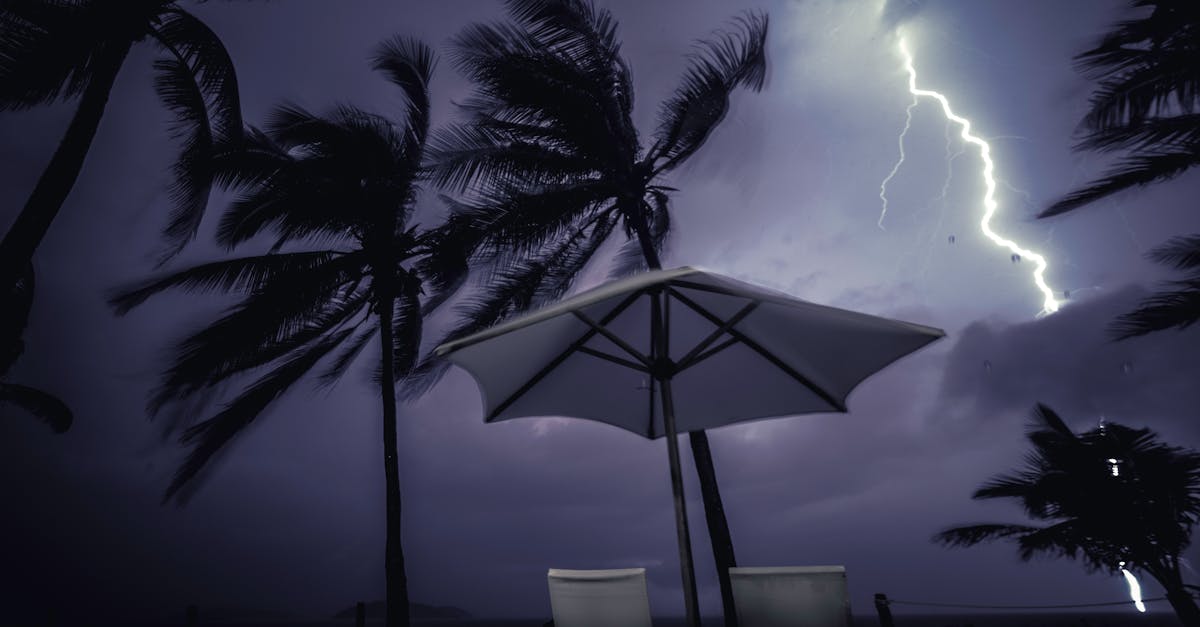
Hawaii is currently experiencing widespread power outages and an elevated risk of flooding due to strong winds and heavy rainfall battering the islands. These conditions are not isolated incidents but part of an active weather event with potential for sustained disruption over the coming days. The immediate consequences are felt through loss of electricity, compromised transportation routes, and potential damage to physical assets, directly impacting the ability of businesses across all sectors to operate normally.
Who's Affected
- Small Business Operators (small-operator): Businesses reliant on electricity face immediate operational halts. This includes retail shops unable to process transactions, restaurants at risk of food spoilage without refrigeration, and service providers unable to use essential equipment. Staffing may also be affected as employees face transportation difficulties or personal emergencies. The ability to serve customers will be severely curtailed.
- Tourism Operators (tourism-operator): Hotels are grappling with ensuring guest comfort and safety without consistent power, potentially impacting occupancy and guest satisfaction. Tour operators are likely facing widespread cancellations due to unsafe conditions and travel disruptions. Airlines are reporting significant delays and cancellations, impacting visitor arrivals and departures, leading to potential revenue loss and increased operational complexity.
- Real Estate Owners (real-estate): Property owners are at risk of direct damage from high winds and flooding, including structural issues, water infiltration, and damage to landscaping. Power outages can affect essential building systems like elevators, HVAC, and security, impacting tenant services and lease agreements. Landlords may need to address emergency repairs and support tenants impacted by the conditions.
- Agriculture & Food Producers (agriculture): Farms and food processing facilities are highly vulnerable. Power outages can cripple irrigation systems, processing equipment, and cold storage, leading to significant crop and product loss. Flooding can damage crops in the field and contaminate produce. Transportation disruptions will delay necessary inputs and the shipment of goods, impacting the entire food supply chain.
- Healthcare Providers (healthcare): Ensuring patient care continuity is paramount. Power outages can disable critical medical equipment, electronic health records, and communication systems. Clinics and private practices may need to suspend operations or rely on backup power, which may be limited. Telehealth services could be disrupted by internet connectivity issues. Facilities must ensure backup power systems are functional and communication channels remain open.
Second-Order Effects
This immediate weather event has cascading effects through Hawaii's isolated economy. Widespread power outages and transportation disruptions → delayed shipments of essential goods and raw materials → increased operating costs for businesses due to spoilage, overtime, and expedited shipping → potential for price increases on consumer goods and services as businesses pass on costs → reduced consumer spending power → amplified economic downturn.
Furthermore, a decline in tourism due to travel disruptions → reduced demand for local goods and services → negative impact on small businesses and the hospitality sector workforce.
What to Do
Given the immediate nature of this weather event, all affected roles must prioritize activating their emergency preparedness plans. This is not a time for passive observation; proactive measures are critical to mitigate losses and ensure eventual recovery.
