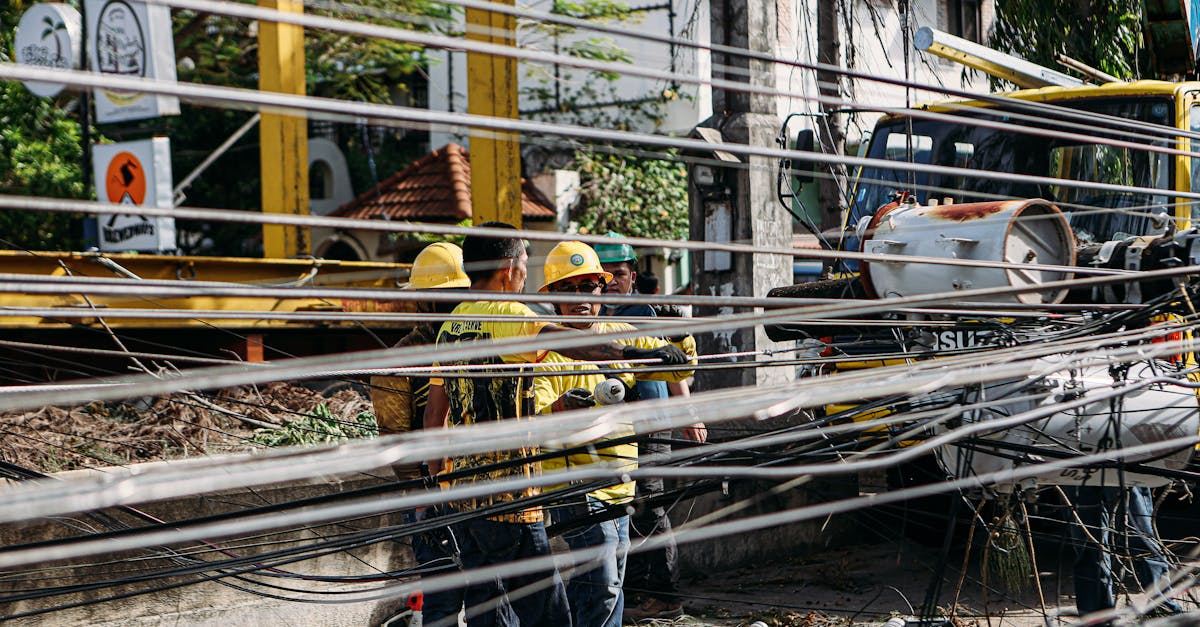
Business Interruption Risk: Sustained High Winds Trigger Widespread Power Outages and Coastal Flooding Across Hawaii
Recent severe weather events, characterized by strong winds and coastal flooding, have resulted in widespread power outages affecting thousands of customers across the Hawaiian Islands. This situation directly translates to significant operational disruptions for businesses, necessitating immediate activation of business continuity and disaster preparedness protocols. Hawaiian Electric crews are actively working on restoration, particularly in impacted areas like Windward Oahu, but the duration of these disruptions remains uncertain, posing a direct threat to revenue, inventory, and operational continuity for many local enterprises.
The Change
As of February 3, 2026, Hawaii is experiencing substantial impacts from high winds and coastal surge. Key effects include:
- Power Outages: Thousands of residential and commercial customers are without electricity. This is a direct consequence of high winds downing utility poles and damaging electrical infrastructure. Restoration efforts are underway but prolonged outages are a significant risk.
- Coastal Flooding: Elevated sea levels combined with storm surge have led to flooding in low-lying coastal areas. This poses risks to physical property, inventory, and access to businesses located in these zones.
- Infrastructure Damage: Beyond power lines, fallen trees and debris have impacted roadways and other essential infrastructure, potentially hindering staff access and delivery services.
- Weather Advisories: Multiple weather advisories are in effect, signaling a continued high-risk environment.
Who's Affected
This severe weather event has immediate and significant implications for several key sectors of Hawaii's business community:
- Small Business Operators (restaurants, retail, services):
- Direct Revenue Loss: Inability to operate due to power outages without backup generators. Loss of perishable inventory (food, pharmaceuticals) if refrigeration fails.
- Increased Operating Costs: Costs associated with emergency generator rental/fuel, spoiled goods, potential overtime for staff to clean up damage, and repairs to property or equipment.
- Staffing Challenges: Employees may be unable to commute due to road closures or personal power outages, impacting service delivery.
- Tourism Operators (hotels, tour companies, vacation rentals):
- Guest Experience Degradation: Loss of essential services like air conditioning, lighting, internet, and elevators can severely impact hotel guest satisfaction and bookings.
- Operational Halt: Tour operations may be canceled due to unsafe conditions or lack of power for equipment and communication.
- Reputational Damage: Inability to provide advertised services can lead to negative reviews and future booking declines.
- Communication Breakdown: Difficulty communicating with guests and coordinating services due to power and internet outages.
- Real Estate Owners (property managers, landlords, developers):
- Property Damage: Coastal flooding can cause significant structural damage, requiring costly repairs and potentially leading to extended vacancy periods.
- Tenant Impact: Business tenants will experience direct operational losses, potentially impacting their ability to pay rent. Landlords may face increased requests for rent abatement or deferral.
- Insurance Claims: Processing insurance claims for property damage can be a lengthy and complex process.
- Agriculture & Food Producers (farmers, food processors):
- Crop Damage: High winds can physically damage crops, while saltwater intrusion from flooding can render agricultural land unusable for extended periods.
- Product Spoilage: Loss of power for cold storage facilities will lead to significant spoilage of harvested goods, impacting both local supply and export potential.
- Logistical Disruptions: Damaged infrastructure and power outages can delay harvesting, processing, and transportation of goods to local markets and ports.
Second-Order Effects
Hawaii's isolated and constrained economy means that disruptions like widespread power outages have far-reaching consequences:
- Supply Chain Strain: Businesses reliant on imported goods will face extended delays as inter-island and international shipping schedules are disrupted by weather and port operational impacts. This will lead to stockouts and increased costs for goods.
- Tourism Competitiveness Decline: If prolonged outages or damage render accommodations and attractions unusable or unattractive, Hawaii could see a significant drop in visitor arrivals. This impacts the entire tourism ecosystem, from airlines to local service providers, and can lead to reduced foreign exchange earnings.
- Increased Cost of Goods and Services: Businesses that rely on backup generators face higher operating expenses. These increased costs are often passed on to consumers, contributing to inflation and a higher cost of living, which disproportionately affects lower-wage workers and makes Hawaii less attractive for remote workers.
- Labor Market Volatility: Inability to operate can lead to temporary or permanent layoffs. Conversely, if infrastructure damage requires extensive repairs, demand for skilled labor in construction and electrical trades could surge, driving up wages for those specific roles but potentially exacerbating shortages elsewhere.
What to Do
Immediate action is critical to mitigate the impacts of ongoing power outages and potential future weather events.
-
Small Business Operators:
- Act Now: Implement your business continuity plan immediately. If you have generator capacity, ensure it is operational and fueled. If not, assess critical inventory and operational needs that require power and consider temporary relocation or cessation of operations for safety and to prevent further loss.
- Inventory Protection: For perishable goods, deploy all available backup refrigeration or consider immediate, discounted sales to mitigate loss. Document all spoilage for insurance claims.
- Staff Safety: Communicate clearly with staff regarding operational status, safety protocols, and potential work disruptions. Ensure employees have a clear point of contact.
- Communicate with Customers: Proactively inform customers about operational status and any service disruptions through available channels (social media, updated website messages if accessible).
- Secure Payment Systems: Ensure you have a plan for processing payments if your primary point-of-sale system is down (e.g., manual imprints, mobile payment devices with battery backup).
-
Tourism Operators:
- Act Now: Prioritize guest safety and communication. Provide guests with regular updates on power status, facility availability, and any changes to services or activities.
- Backup Power: Activate backup generators for critical services (lighting, refrigeration, essential communication, elevators). Work with Hawaiian Electric and your property management to get the most accurate restoration timelines.
- Contingency Planning: Develop contingency plans for guests affected by service disruptions, which may include offering discounted rates, complimentary services, or assistance with rebooking if necessary.
- Reroute/Reschedule: For tour operators, assess the safety and accessibility of tour routes and activities. Be prepared to cancel, reroute, or reschedule tours. Communicate proactively with affected clients.
-
Real Estate Owners:
- Act Now: Conduct immediate visual inspections of properties in coastal flood zones for any signs of structural damage, water intrusion, or debris. Document all damage with photographs and videos for insurance purposes.
- Tenant Communication: Reach out to all tenants to assess their operational status and any damage they may have sustained. Provide clear communication regarding building status and planned repairs.
- Insurance Claims: Begin the process of filing insurance claims for any property damage as soon as possible. Have all relevant property documentation and previous inspection reports available.
- Flood Mitigation: For properties prone to flooding, review and enhance existing flood mitigation measures, such as sandbagging, temporary barriers, or securing critical building systems.
-
Agriculture & Food Producers:
- Act Now: Assess crop damage from wind and saltwater inundation. For any high-value crops not yet completely damaged, consider immediate salvage harvesting if safe and feasible.
- Protect Stored Goods: If power is out, prioritize moving any remaining undamaged perishable inventory to operational cold storage, or implement emergency sale protocols to prevent total loss. Secure any exposed crops or livestock.
- Infrastructure Check: Inspect irrigation systems, farm buildings, fencing, and any equipment for damage incurred from high winds or flooding.
- Logistics Assessment: Contact transport and distribution partners to assess their operational status and potential delays for deliveries or pickups. Adjust production and harvest schedules accordingly.


