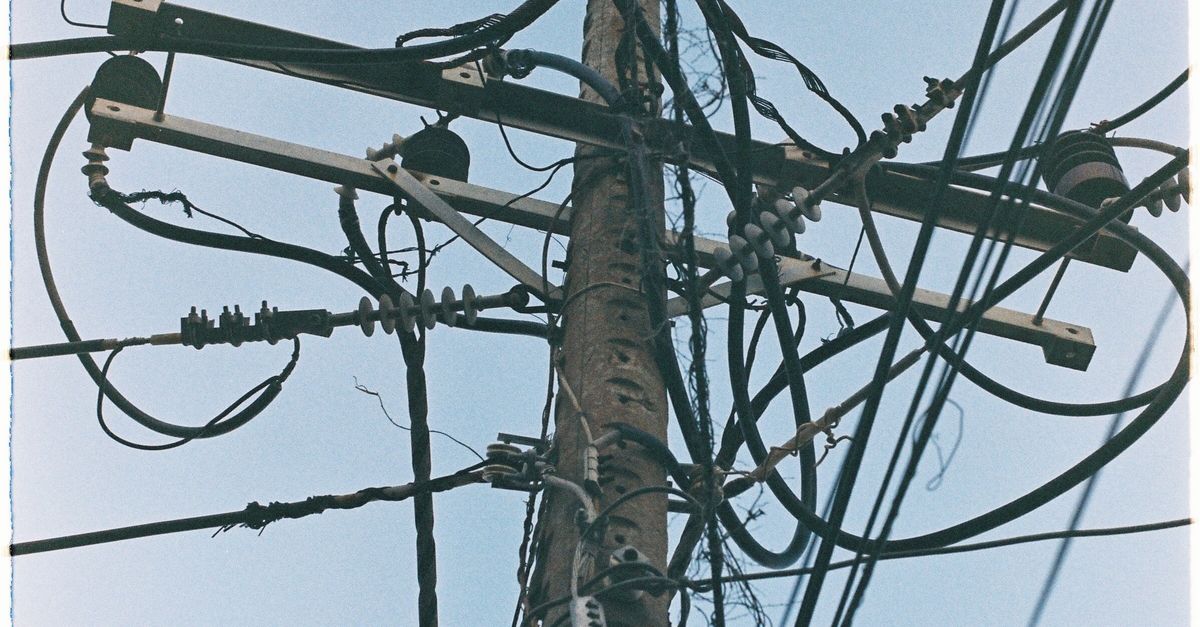
Wildfire Risk Prompts Public Safety Power Shutoffs: Businesses Must Prepare for Multi-Day Disruptions This Week
Hawaiian Electric is closely monitoring forecasts for elevated wildfire risk conditions across portions of Maui County and Hawaiʻi Island from Monday, February 17th, through Thursday, February 20th, 2026. This forecast has triggered a Public Safety Power Shutoff (PSPS) watch, meaning extended power outages are possible, potentially lasting for multiple days, to prevent utility equipment from igniting fires.
The Change
Hawaiian Electric has announced a Public Safety Power Shutoff (PSPS) watch for specific areas on Maui and Hawaiʻi Island, effective Monday, February 17th, 2026. This measure is being taken due to critical wildfire risk conditions, including dry vegetation, low humidity, and high winds. The duration of these shutoffs is uncertain and could extend for several days in impacted zones. Businesses in these regions must prepare for the full spectrum of operational disruptions, including loss of power, communication, and potentially transportation delays.
Who's Affected
Small Business Operators (Small-Operator)
Operators of restaurants, retail stores, service providers, and local franchises are at high risk of operational paralysis.
- Impact: Loss of refrigeration, point-of-sale systems, lighting, and essential machinery. Potential for inventory spoilage, lost sales, and inability to serve customers for extended periods.
- Timeline: Immediate preparation required, with outages expected to begin Monday, February 17th, and continue through Thursday, February 20th. The actual duration of any shutoff is unpredictable.
Real Estate Owners (Real-Estate)
Property owners, developers, landlords, and property managers in affected zones must consider tenant welfare and infrastructure stability.
- Impact: Disruption to building security systems, elevators, water pumps, and common area services. Potential for tenant dissatisfaction and damage to property infrastructure if backup systems are inadequate.
- Timeline: Immediate assessment of building emergency protocols and notification to tenants is paramount, starting now through Thursday.
Tourism Operators (Tourism-Operator)
Hotels, tour companies, and vacation rental businesses face significant guest impact and operational challenges.
- Impact: Loss of essential services for guests (AC, lighting, hot water, Wi-Fi, check-in/out systems), leading to high guest dissatisfaction and potential cancellations. Tour operations may be halted due to transportation or access issues.
- Timeline: Urgent need to activate guest communication plans and backup power for critical hospitality functions this week, Monday through Thursday.
Agriculture & Food Producers (Agriculture)
Farms, ranches, food processing facilities, and aquaculture operations are particularly vulnerable.
- Impact: Critical loss of power for irrigation pumps, climate control in greenhouses, cooling for perishable goods, and processing equipment. This can lead to crop failure, livestock distress, and significant spoilage of harvested products.
- Timeline: Immediate implementation of backup power for essential agricultural systems is crucial, with potential for extended impact through Thursday and beyond if shutoffs are prolonged.
Healthcare Providers (Healthcare)
Private medical practices, clinics, and telehealth providers must ensure continuity of care.
- Impact: Failure of critical medical equipment, disruption of electronic health records (EHRs), inability to conduct appointments or procedures, and compromise of sensitive patient data. Telehealth services will be impossible without power and reliable internet.
- Timeline: URGENT activation of all emergency power systems, data backup protocols, and communication contingency plans before Monday's projected start of PSPS.
Second-Order Effects
Public Safety Power Shutoffs, while necessary for fire prevention, create immediate economic shockwaves. A prolonged outage directly impacts a business's ability to generate revenue, leading to potential cash flow crises for small businesses concentrated in affected regions. This strain on local businesses can reduce demand for supporting services and impact employment within those communities. Furthermore, intermittent power supply increases operational uncertainty, potentially deterring new business investments and exacerbating the challenges of maintaining existing operations in Hawaii's already high-cost environment.
A ripple effect from PSPS events: Loss of power → Inability to operate businesses → Reduced local economic activity → Strain on supply chains → Increased costs for remaining goods and services → Diminished consumer spending power → Further business closures.
What to Do
Small Business Operators & Tourism Operators
Action: Secure and test backup generators or uninterruptible power supplies (UPS) immediately for critical equipment like refrigeration, POS systems, and essential communication devices. Ensure all critical data is backed up off-site or in the cloud before any potential shutoff. Develop a communication plan for staff and customers, and consider pre-negotiating with local IT support for emergency services. Review insurance policies for business interruption clauses.
Real Estate Owners
Action: Verify the operational status of emergency generators for elevators, essential lighting, and critical life-safety systems. Communicate clearly with all tenants about the potential for PSPS, outlining available building resources and tenant responsibilities. Ensure security systems have battery backup and test their functionality.
Agriculture & Food Producers
Action: Activate backup power systems for irrigation, ventilation, and cooling. Implement strategies to protect perishable inventory, such as moving it to facilities with guaranteed power or utilizing dry ice where applicable. Ensure livestock have access to water and adequate ventilation if primary systems fail.
Healthcare Providers
Action: Confirm all critical medical equipment is connected to reliable backup power sources and has been tested. Ensure all patient data is current and securely backed up to an off-site location. Prepare alternative communication methods and patient notification systems in case of primary systems failure. Review telehealth platform resilience under power-deficient conditions.
General Action for All Affected Businesses: Monitor Hawaiian Electric's website and local news for real-time updates on PSPS status and affected areas. Have a written emergency plan readily accessible and ensure key personnel are trained on its execution. Consider temporary relocation of critical operations if the risk of prolonged outage is deemed too high and feasible.
Deadline: All preparatory actions should be completed by Sunday, February 16th, 2026, to be ready for potential shutoffs beginning Monday, February 17th.