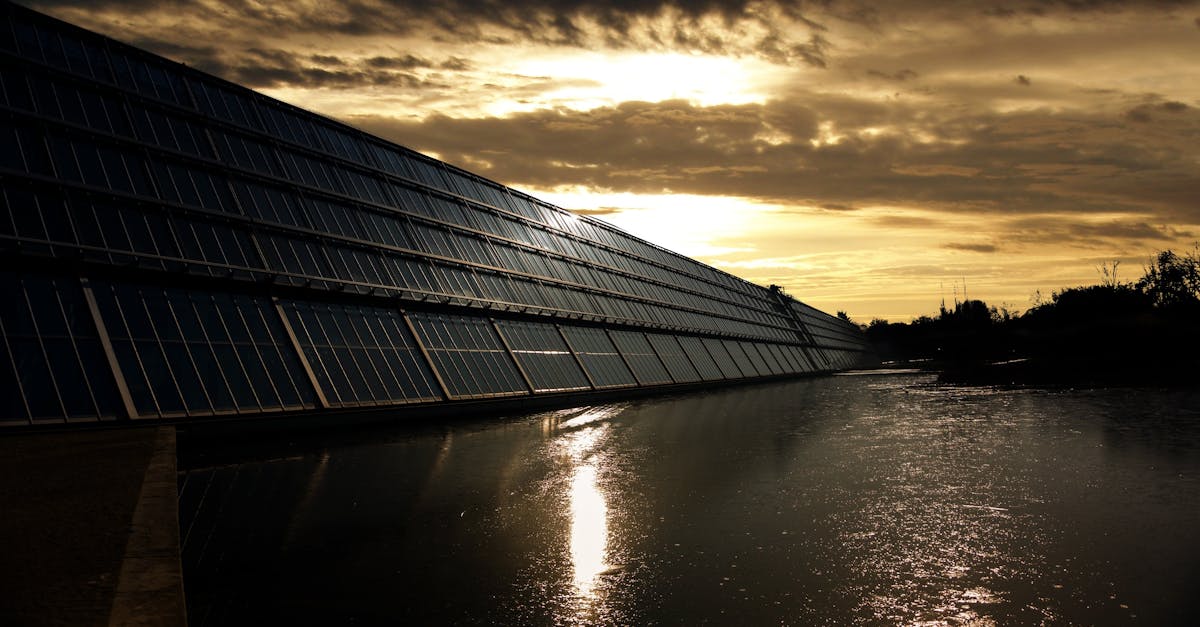
Hawaii's ambitious clean energy goals face a significant hurdle following the passage of a new federal tax-cut and spending bill. This bill, signed into law on July 4th, is poised to disrupt the state's solar energy market, potentially increasing electricity costs and hindering the transition to renewable energy sources.
The new law has already sparked considerable uncertainty among Hawaii's solar providers. The Aloha State Daily reports that the legislation is set to eliminate the Residential Clean Energy Credit, a crucial incentive that offered homeowners a 30% tax credit on the cost of new solar installations. This cut could severely impact the financial viability of solar projects, potentially leading to a slowdown in installations and making it harder for Hawaii to meet its renewable energy targets.
This development arrives amidst positive momentum in Hawaii's solar sector. The pv-magazine-usa.com reports that the state's governor approved plans to promote more solar energy. Under SB 589, the Public Utilities Commission (PUC) will be required to establish a goal of installing 50,000 new customer-sited distributed energy resources, such as rooftop solar and battery storage, in Hawaii before 2031. The new federal law creates a headwind for these local efforts. With the federal credit expiring, the economics of these projects are under pressure, which may affect the ability of Hawaii to lead the country for residential solar-plus-storage systems.
Adding to the complexity, the Star Advertiser highlights the concerns of Senator Brian Schatz, who points out that the bill could increase prices due to the reduction of energy production capacity. Furthermore, critics of the bill contend that it will exacerbate existing economic challenges in Hawaii, where customers already face the highest electricity costs in the nation. Civil Beat shares that Hawaii's electricity costs are more than three times the national average.
For Hawaii's entrepreneurs and investors, this situation presents both challenges and opportunities. Investors in the solar industry may face reduced returns and increased risk. However, the push for renewable energy in Hawaii is still strong and will be necessary for the state’s goals. Businesses that can adapt to the changing incentive landscape and find innovative financing solutions may be well-positioned for success.