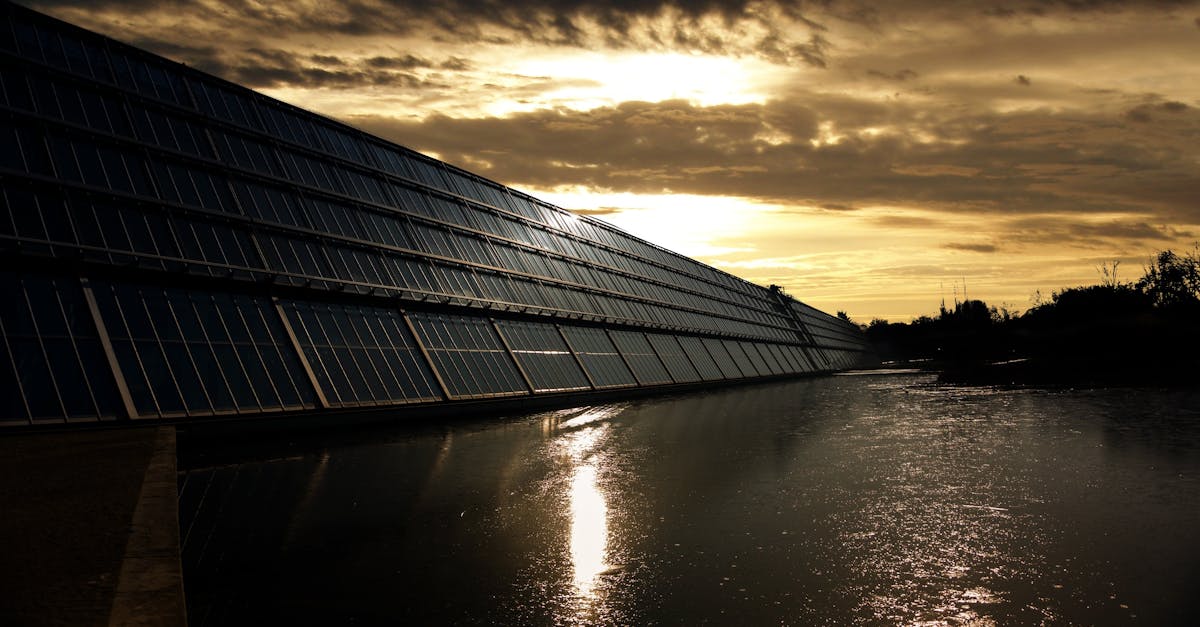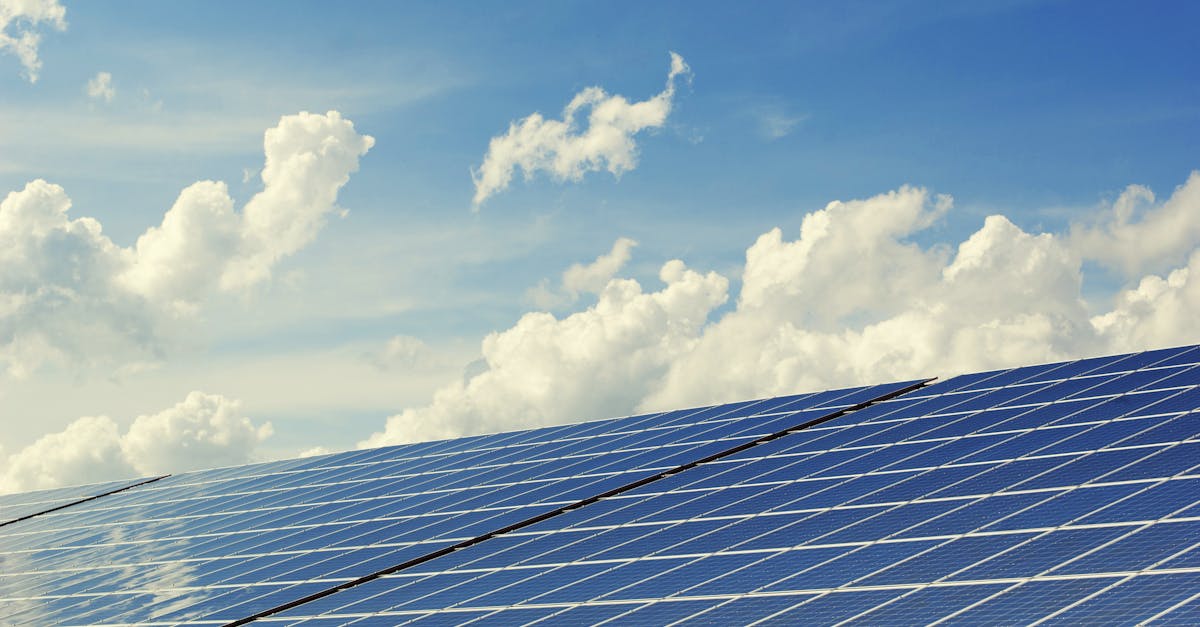
The abrupt termination of the federal "Solar for All" program by the Environmental Protection Agency (EPA) is poised to significantly impact Hawaii's renewable energy initiatives, according to a recent report by the Honolulu Star-Advertiser. This decision eliminates a crucial avenue for 2,000 low-to-moderate income households in Hawaii to access affordable solar energy, placing additional strain on the state's ambitious renewable energy goals.
The "Solar for All" program, as explained by CBS News, was designed to provide funding to various grant recipients with the aim of expanding existing low-income solar programs across the country. The program's cancellation, however, has left many in the solar industry and affected communities scrambling to understand the implications. The elimination of this program also impacts the goals set by the state. Hawaii has some of the most aggressive renewable energy objectives in the nation, and initiatives like "Solar for All" were seen as vital components in achieving these targets. This termination poses a challenge for Hawaii's policymakers, developers, and clean energy advocates as they seek alternative strategies to meet their commitment to transitioning away from fossil fuels.
This decision could also have far-reaching consequences. According to PBS Newshour, the funding was intended to support the deployment of rooftop solar panels, community solar farms, and battery storage systems. Hawaii's unique energy landscape, with its high reliance on imported fossil fuels, means that solar energy represents a cost-effective alternative for residents and businesses alike. The withdrawal of federal support will likely slow the pace of solar adoption among low-income households, potentially widening the energy cost gap in the state.
While the EPA's decision has been met with criticism from various stakeholders, the reasons cited for the cancellation have been varied. Environmental Protection Network suggests the program termination will ultimately make it harder to reduce energy costs for those most in need. Hawaii's government, clean energy advocates, and solar industry professionals must now collaborate to find new solutions and funding sources to ensure access to affordable, clean energy for all residents, and to keep the state's renewable energy goals on track.