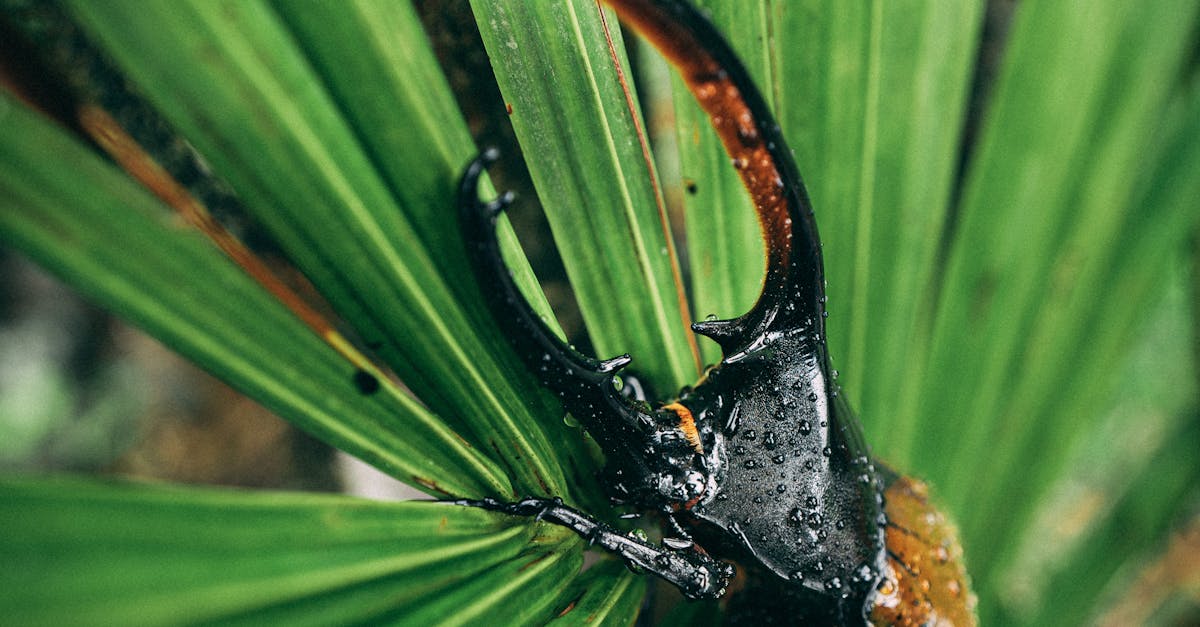
Coconut Beetle Mitigation Strategies Show Promise for Agricultural Asset Protection
Recent successes in combating the coconut rhinoceros beetle (CRB) at Ka Waihona O Ka Na‘auao Public Charter School in Waianae provide actionable insights for protecting significant agricultural and landscape assets across Hawaii. The school's agriculture program has proactively implemented mitigation strategies, demonstrating that effective containment and management are achievable, thereby reducing the long-term threat of extensive crop damage to Hawaii's coconut industry and preserving the aesthetic and economic value of coconut trees on commercial and residential properties.
The Change
The critical development is the successful application of integrated pest management (IPM) techniques against the coconut rhinoceros beetle by a school-based agriculture program. While not a new policy or regulation, this practical demonstration at Ka Waihona O Ka Na‘auao indicates a viable path forward for managing CRB infestations. The strategies employed, which include biological controls and targeted interventions, have shown effectiveness in reducing beetle populations and protecting trees from infestation and subsequent damage.
This success represents a crucial step in developing and validating practical, scalable solutions for an invasive species that poses a significant economic and environmental threat. The efforts by educators and students at the school have created a usable model that can be adapted and implemented more broadly, offering a glimmer of hope for industries and property owners heavily reliant on coconut palms.
Who's Affected
Agriculture & Food Producers: Producers of coconuts and coconut-derived products, including virgin coconut oil, copra, and other agricultural goods, face a persistent threat from the CRB. This invasive beetle can severely damage or kill coconut palms, leading to direct crop loss, reduced yields, and increased operational costs for pest management. The successful mitigation strategies piloted at Ka Waihona O Ka Na‘auao suggest that these producers may soon have more effective, localized tools to protect their valuable coconut groves. This could translate to more stable supply chains, reduced revenue volatility, and a more sustainable approach to coconut farming in Hawaii.
Real Estate Owners: Coconut palms are a significant aesthetic and economic feature for many properties in Hawaii, including resorts, residential developments, and private estates. Infestations by the CRB can lead to the death of these valuable trees, resulting in substantial replacement costs and a negative impact on property appeal and value. For real estate owners, particularly those with significant landscaping investments or income-generating properties where coconut trees are a draw (e.g., resorts), demonstrating effective CRB mitigation can preserve asset value and reduce future expenses associated with tree loss and replacement. This could also influence landscaping and maintenance budgets, potentially shifting resources from reactive replacement to proactive prevention if techniques prove cost-effective.
Second-Order Effects
Successful CRB mitigation has the potential to stabilize the supply of coconuts, which could help keep prices for coconut-based food products and crafts more consistent. This, in turn, could impact consumer spending on these goods. Furthermore, if these mitigation techniques become widespread, the demand for specialized pest control services and associated materials could increase, creating new opportunities for local businesses. The preservation of healthy coconut groves also contributes to the aesthetic appeal of tourist destinations, indirectly supporting the tourism sector by maintaining attractive landscapes, which businesses rely on.
What to Do
Given the demonstrated success of CRB mitigation at Ka Waihona O Ka Na‘auao, the primary recommendation is to WATCH the broader adoption and dissemination of these strategies. No immediate action is required for most businesses, but staying informed is crucial.
Agriculture & Food Producers: Monitor announcements from the Hawaii Department of Agriculture, University of Hawaii College of Tropical Agriculture and Human Resources (CTAHR), and local agricultural extension offices regarding the validation and promotion of these CRB mitigation techniques. Look for best-practice guides or workshops that may emerge from this success.
Real Estate Owners: Keep an eye on local landscaping and pest management companies. As successful techniques are commercialized, these companies may begin offering CRB mitigation services. Assess the prevalence of CRB in your specific micro-location and consider the potential asset value preservation versus the cost of implementing proactive measures if such services become readily available and cost-effective.
Action Details
Monitor the Hawaii Department of Agriculture and the University of Hawaii CTAHR for updates on official recommendations and resources concerning CRB management techniques piloted at Ka Waihona O Ka Na‘auao. If these agencies begin to endorse or offer training on specific mitigation strategies, assess their applicability and cost-effectiveness for your operation or property. The trigger for considering direct implementation would be official agency endorsement or a noticeable increase in CRB activity in your immediate vicinity, making proactive management a more pressing concern.