


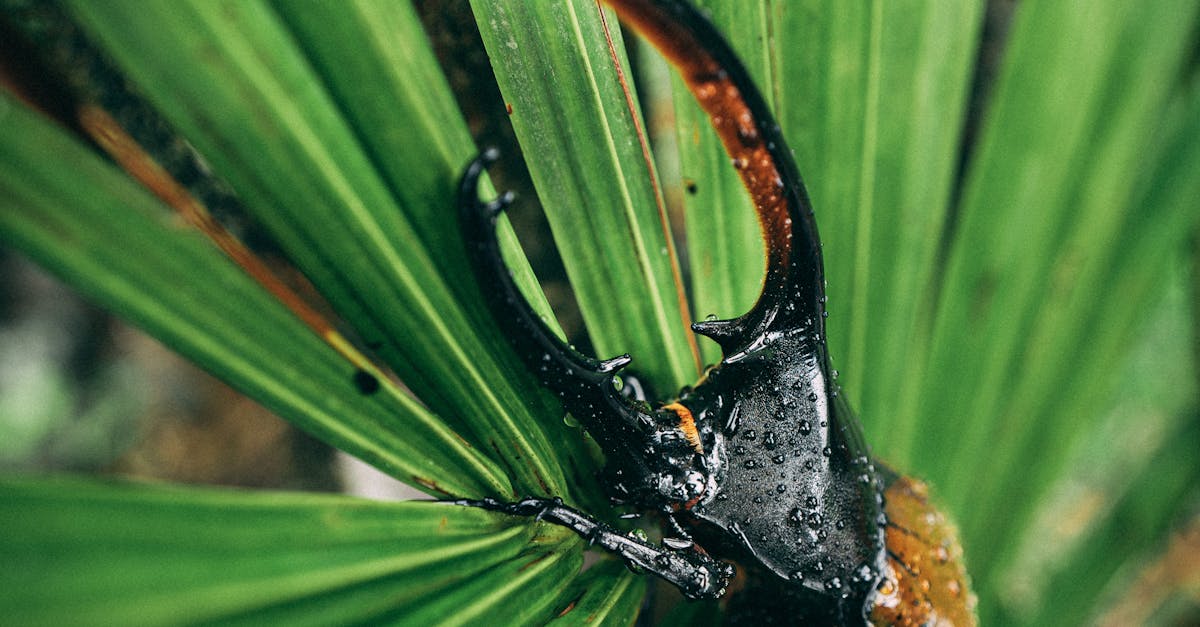
Oahu Coconut & Banana Farmers Face Irrecoverable Crop Loss as State Beetle Control Fails
The Change
Oahu has now been declared fully infested by the coconut rhinoceros beetle (CRB), marking a significant failure in the state's containment efforts. This declaration means that state assistance programs, which were already limited, have been further scaled back, leaving local farmers to bear the brunt of the economic impact. The beetle's proliferation directly targets coconut palms and banana plants, leading to reduced yields, compromised fruit quality, and, in severe cases, the death of mature trees. This situation represents a critical juncture for agricultural businesses reliant on these crops on Oahu.
Who's Affected
This infestation disproportionately impacts Agriculture & Food Producers on Oahu, particularly those cultivating coconut palms and banana plants. The economic consequences are multi-faceted:
- Direct Crop Loss: Farmers are experiencing direct damage to their crops. Coconut palms can suffer from reduced nut production, weaker fronds, and stunted growth. Banana plants are vulnerable to damage that affects fruit development and plant viability. Estimates suggest that affected farms could see 5-20% annual crop loss, a figure projected to increase without effective intervention.
- Increased Operational Costs: With state assistance dwindling, farmers must now invest in private pest management solutions. This includes the cost of specialized insecticides, manual removal efforts, and potentially hiring external consultants. These added expenses can reduce profit margins significantly, especially for small-scale operations.
- Market Access and Quality: The quality of harvested coconuts and bananas may decline due to beetle damage, potentially affecting market prices and consumer acceptance. If the infestation becomes widespread across a farm, it could lead to a loss of contracts with buyers seeking premium produce.
- Long-Term Viability: Mature coconut palms represent a significant investment that can take years to replace. Repeated beetle damage can weaken or kill these trees, leading to long-term loss of productive agricultural land and necessitating costly replanting efforts, if feasible.
Second-Order Effects
The failure to contain the coconut rhinoceros beetle on Oahu will ripple through the island's economy due to its isolated and interconnected nature:
- Reduced Local Food Supply: A significant decrease in local coconut and banana production could lead to higher prices for these staples in local markets, impacting household food budgets and potentially increasing reliance on imported goods, which carry their own logistical and cost challenges (e.g., Jones Act implications for interisland transport if Oahu produce needs to be shipped elsewhere).
- Impact on Agritourism: Farms that rely on direct-to-consumer sales or agritourism experiences may suffer if their aesthetic appeal or product quality diminishes, affecting a niche but important segment of the tourism industry.
- Land Use Pressure: Chronic crop failure could make traditional farming less viable, potentially pushing landowners to consider other land uses, though agricultural zoning restrictions may limit this. However, the economic pressure could indirectly affect land values and future agricultural investment.
What to Do
For Agriculture & Food Producers
Immediate and strategic action is required to mitigate the economic impact of the coconut rhinoceros beetle infestation.
-
Implement Private Integrated Pest Management (IPM) Strategies: Since state assistance is minimal, farmers must take the initiative.
- Monitoring: Conduct regular, thorough inspections of coconut palms and banana plants, especially at the crown and base of the plants, for signs of beetle activity (e.g., characteristic feeding damage, frass, boreholes).
- Mechanical Control: Manually remove and destroy any adult beetles, larvae, or pupae found. Seal boreholes in trees with a suitable sealant.
- Biological Control: Explore the use of beneficial nematodes (e.g., Heterorhabditis indica) and specific entomopathogenic fungi (e.g., Metarhizium anisopliae) that target CRB. Source these materials from reputable suppliers and follow application protocols strictly.
- Cultural Practices: Improve plantation sanitation by promptly removing dead and decaying plant material where beetles breed. Consider trap crops or lures if viable, but be cautious of them becoming attractants.
- Chemical Control: As a last resort and in conjunction with other methods, consult with agricultural extension services or certified pest control operators about the judicious use of approved insecticides, focusing on targeted applications to minimize environmental impact.
-
Diversify Crop Offerings: Relying solely on coconuts and bananas on Oahu is now a high-risk strategy. Identify alternative crops that are less susceptible to CRB or other invasive pests prevalent in Hawaii. Consider crops with different growth cycles or market demands to spread risk.
-
Seek External Expertise and Collaboration:
- University Extension Services: Consult with the University of Hawaii Cooperative Extension Service for the latest research-backed recommendations and potential grant opportunities for pest management. They can provide guidance on IPM and crop diversification.
- Farmer Cooperatives: Collaborate with other local farmers. Sharing resources, knowledge, and bulk purchasing of pest control supplies can reduce individual costs.
- Industry Associations: Engage with agricultural industry associations to advocate for more robust state and federal support for invasive species management and agricultural resilience programs.
-
Document Losses and Explore Funding: Keep meticulous records of crop damage, treatment costs, and lost revenue. This documentation is crucial for any future potential disaster relief programs or insurance claims. Research agricultural grants and low-interest loan programs available for farmers facing pest-related challenges.
Action Details
Oahu-based coconut and banana farmers must immediately invest in and implement a comprehensive Integrated Pest Management (IPM) program. This includes conducting daily field inspections, physically removing and destroying beetles and infested material, and sourcing effective biological control agents like beneficial nematodes or entomopathogenic fungi from reputable suppliers before the next major breeding cycle. Concurrently, begin researching and planning for crop diversification to reduce reliance on vulnerable species. Consult the University of Hawaii Cooperative Extension Service for guidance on IPM and viable alternative crops within the next 60 days.

