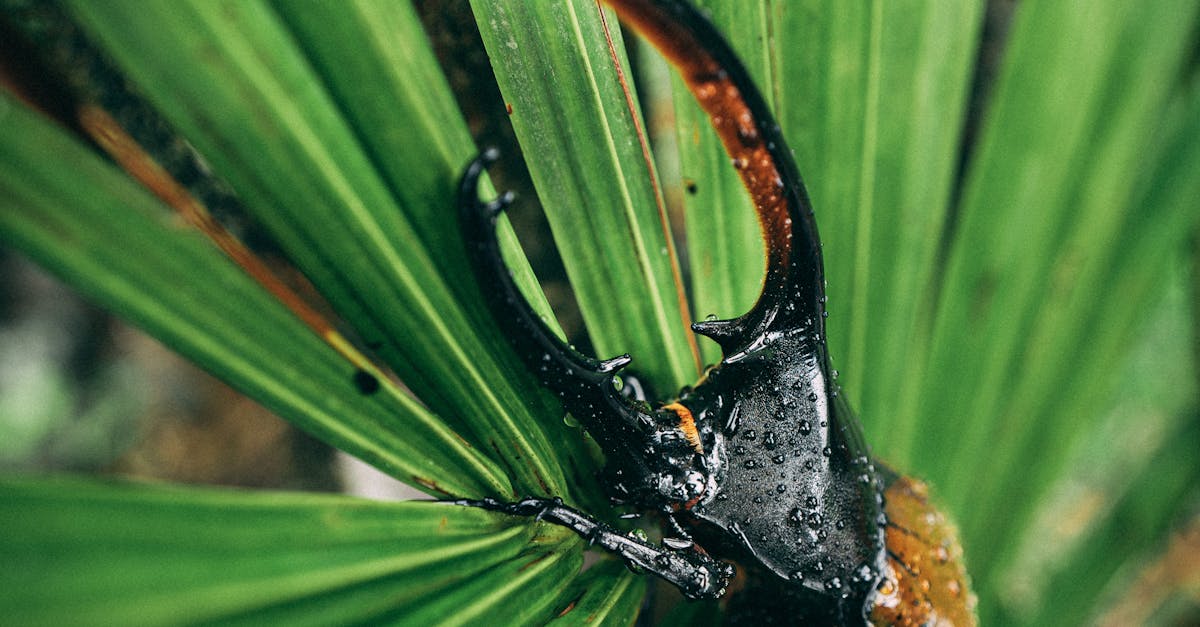
Coconut Beetle Threat to Big Island Agriculture Triggers Immediate Business Response Needs
Executive Brief
The recent detection of the invasive coconut rhinoceros beetle (CRB) at Hilo International Airport necessitates immediate action to protect Big Island agricultural operations and related businesses. Immediate implementation of containment and prevention strategies is critical to mitigate significant crop damage and economic disruption.
- Agriculture & Food Producers: Risk of substantial crop loss (coconuts, bananas, palms). Immediate need for enhanced monitoring and protective measures.
- Small Business Operators: Increased landscaping and agricultural supply costs, potential impacts on businesses reliant on local produce.
- Tourism Operators: Threat to landscape aesthetics and visitor experience, potential impact on agricultural tourism.
- Action: Agriculture and landscaping businesses must implement enhanced monitoring and control measures immediately.
The Change
On July 6, 2026, the invasive coconut rhinoceros beetle (CRB) was confirmed at Hilo International Airport (ITO). This marks the second detection in Hilo, following an earlier find near a retail store. The CRB is one of Hawaii's most destructive invasive insects, known for its ability to decimate coconut palms, banana plants, and other valuable crops and ornamental trees. Its rapid spread and the devastating damage it can inflict make this detection a high-priority threat to the agricultural and horticultural sectors on the Big Island.
This finding triggers immediate response protocols, including enhanced surveillance, potential quarantine measures, and a call for proactive business adaptation to prevent further spread and mitigate economic losses.
Who's Affected
Agriculture & Food Producers
This is the most directly impacted sector. Farmers and producers reliant on crops such as coconuts, bananas, taro, and various fruit trees face significant risks. The CRB larvae feed on decaying organic matter, while adults bore into the crowns of palms and other plants, causing severe damage that can lead to tree death. For coconut producers, this represents an existential threat to their crops, potentially leading to total loss if the beetle establishes.
- Crop Loss: Expect increased damage to coconuts, bananas, and potentially other crops like taro and certain ornamental plants. Adult beetles can girdle leaves and bore into fronds, decimating yields.
- Increased Costs: Implementing new pest control measures, advanced monitoring, and potentially specialized treatments will add operational expenses.
- Export/Supply Chain Risks: If the beetle populace grows, it could lead to further restrictions on inter-island or international movement of agricultural products, impacting export logistics and potentially contaminating valuable breeding stock.
Small Business Operators
While perhaps not growing crops directly, many small businesses on the Big Island are indirectly affected.
- Landscaping and Nursery Businesses: These operations face increased costs for pest management, plant protection, and sourcing of new stock. The beetle can destroy high-value ornamental plants, impacting inventory and revenue.
- Restaurants and Retailers: Businesses that rely on visually appealing landscaping or local agricultural products may see impacts. Degraded landscapes affect curb appeal for restaurants and retail locations. Reduced availability of local produce could drive up input costs.
- Agricultural Supply Stores: Demand for pest control solutions, protective netting, and related supplies is likely to increase, creating a short-term sales opportunity but also potential supply chain challenges for these businesses.
Tourism Operators
The aesthetic appeal of the islands is a cornerstone of Hawaii's tourism industry. The CRB poses a threat to this.
- Landscape Degradation: Hotels, resorts, and tour operators often feature lush, tropical landscaping. Widespread damage to palm trees and ornamental plants can diminish the visual appeal and overall visitor experience.
- Agricultural Tourism: If the beetle's impact on key crops like coconuts becomes severe, it could affect agritourism ventures and the availability of certain local products for visitor sampling or sale.
- Reputational Risk: Widespread visible damage from an invasive species can negatively impact Hawaii's image as a pristine tropical destination.
Second-Order Effects
The detection of the CRB, an aggressive invasive species, initiates a chain reaction within Hawaii's tightly constrained island economy. Increased agricultural losses, particularly in fruit and nut crops, could reduce the supply of locally sourced goods. This reduction in local supply will likely lead to higher prices for consumers and businesses, such as restaurants and food retailers, increasing operating costs for small business operators. Concurrently, the push for enhanced pest control and containment will strain the resources of the Department of Agriculture, potentially diverting funds and personnel from other critical areas, such as food safety or other invasive species management. This strain could indirectly impact tourism operators if the focus on CRB leads to a decline in maintenance or expansion of other tourism-supporting infrastructure or services. Furthermore, the threat to key agricultural exports could eventually impact the state's trade balance and reliance on imported goods, a recurring concern for agriculture and food producers adapting to limited land and resources.
What to Do
Given the high urgency and immediate threat posed by the CRB, proactive measures are not optional but essential for affected businesses.
For Agriculture & Food Producers
- Enhance Monitoring: Immediately implement rigorous, frequent monitoring of crops, especially coconut palms, banana plants, and susceptible ornamental species. Utilize traps and visual inspections.
- Implement Protective Measures: For high-value crops, consider protective netting or bagging of developing fruits and buds. Ensure proper pruning techniques that minimize wounds and exposure to beetles.
- Sanitation: Remove and properly dispose of potential larval breeding sites such as decaying organic matter, dead plant material, and mulch heaps, especially those near sensitive crops or airport perimeters. Consult the Hawaii Department of Agriculture (HDOA) for approved disposal methods.
- Contact HDOA: Stay informed about HDOA advisories, quarantine information, and recommended control strategies. Cooperate fully with any containment efforts. Report suspected beetle activity immediately to the HDOA.
- Diversify: If feasible, explore diversifying crops to reduce reliance on highly susceptible species, though this is a longer-term strategy.
For Small Business Operators
- Landscaping Businesses: Review client contracts regarding pest management and plant health. Factor in potential increased costs for CRB-specific treatments or plant replacements. Proactively communicate with clients about the threat and necessary preventative measures.
- Nurseries: Implement strict internal biosecurity protocols to prevent CRB introduction and spread within your stock. Intercept and destroy any beetles found on incoming or outgoing plants. Consult HDOA for nursery-specific guidelines.
- Restaurants/Retailers: If sourcing local produce, stay aware of potential supply disruptions for susceptible crops. Communicate with suppliers about their CRB mitigation efforts. Assess the condition of your own landscaping and consider preventative treatments for ornamental plants.
For Tourism Operators
- Landscape Assessment: Conduct an immediate assessment of resort grounds, hotel landscaping, and tour routes for signs of CRB damage or infestation.
- Proactive Treatment: Work with landscaping contractors to implement preventative treatments for high-value trees and palms. Share information and coordinate with local authorities and agricultural services.
- Visitor Communication: If visible damage becomes significant, consider providing guests with brief, informative updates about the state's efforts to combat the beetle, framing it as a natural challenge being managed.
Important Information Sources
- Hawaii Department of Agriculture (HDOA): The primary authority for invasive species alerts and control measures. Visit Hawaii Department of Agriculture for the latest advisories, reporting mechanisms, and recommended actions.
- University of Hawaii College of Tropical Agriculture & Human Resources (CTAHR): Provides research-based information on pests and diseases affecting Hawaii's agriculture. Consult CTAHR for best practices and scientific guidance.
- Hawaii Invasive Species Council (HISC): Offers resources and information on invasive species management. Information can be found at Hawaii Invasive Species Council
- Hawaii News Network (Original Source): For the initial alert and location details, see Hawaii News Network.