


The Change
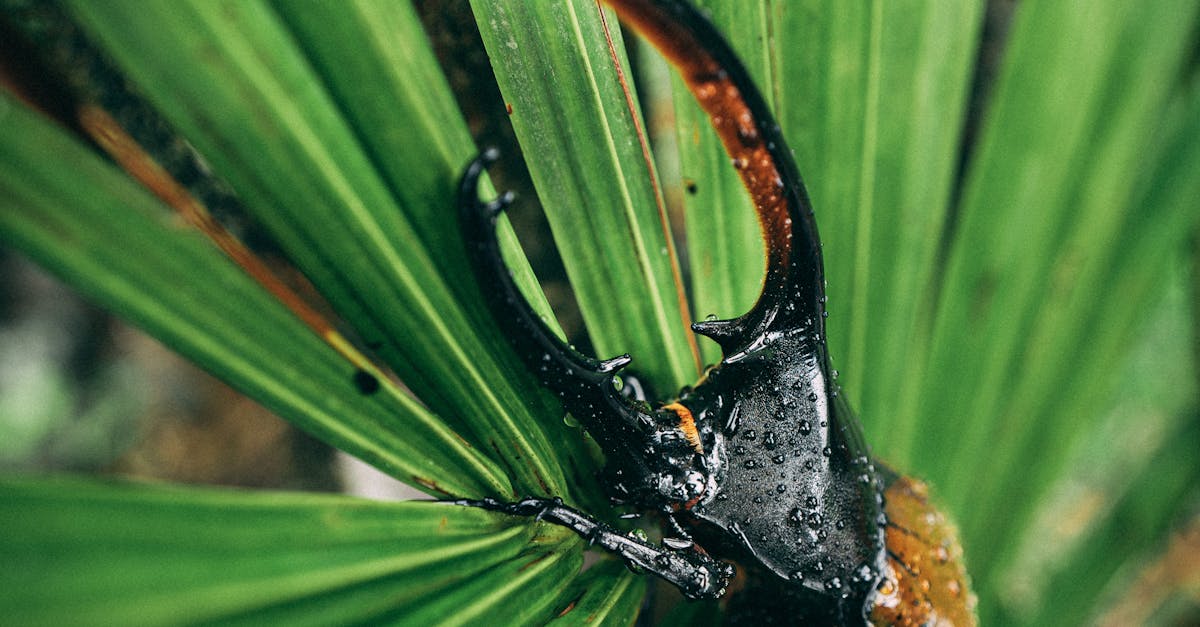
University of Hawaii researchers are observing promising results from laboratory trials of a virus that targets the coconut rhinoceros beetle (CRB). The virus, identified as Oryctes rhinoceros nudivirus (OrNV), has demonstrated a high mortality rate among CRB larvae under controlled conditions. Current research, conducted at the University of Hawaii at Manoa's St. John Plant Science Laboratory, involves exposing larvae to the virus to assess its efficacy and potential for field application. These early findings suggest a viable biological control agent could be developed to combat the invasive pest, which causes significant damage to coconut palms and other valuable crops.
Who's Affected
Agriculture & Food Producers:
- Potential for Reduced Crop Loss: The CRB is a significant threat to coconut production, ornamental palms, and potentially other crops like taro and sugarcane, especially in their early growth stages. Successful implementation of this viral control could lead to a substantial reduction in crop damage and associated losses for farmers and agricultural businesses. This could translate to more stable yields and a reduced need for costly and environmentally burdensome chemical treatments.
- Lower Input Costs: If the virus proves effective and scalable, it could decrease reliance on chemical pesticides. This would directly lower operational costs for growers by reducing expenditure on pest control materials and labor.
- Improved Crop Quality: Reduced pest damage can also lead to higher quality produce, potentially commanding better market prices.
Second-Order Effects
- Reduced CRB infestation → Increased yields for high-value crops (e.g., coconuts, ornamental palms) → Higher potential for export revenue and reduced import reliance.
- Reduced pesticide use → Improved soil health and reduced environmental contamination → Lower long-term management costs for farmland and reduced water treatment needs.
- Stabilized agricultural output → Greater food security and potential for diversification into less pest-vulnerable crops.
What to Do
Agriculture & Food Producers (Monitoring Recommended):
This research is still in its nascent stages. A virus-based control agent typically requires extensive field testing, regulatory approval, and scaled production before it can be made available to growers. Therefore, immediate action is not required. However, agricultural producers should monitor key indicators for the potential future impact of this technology.
Action Details:
Watch for announcements from the University of Hawaii College of Tropical Agriculture and Human Resources (CTAHR) regarding the progression of CRB virus research. Specifically, monitor progress in field trials, any preliminary efficacy data from contained outdoor experiments, and timelines for regulatory review or potential commercialization. If field trial results consistently show high CRB mortality and minimal off-target effects, begin evaluating the integration of this biological control into your farm's integrated pest management (IPM) strategy within the next 2-4 years, contingent on regulatory approval and availability.
