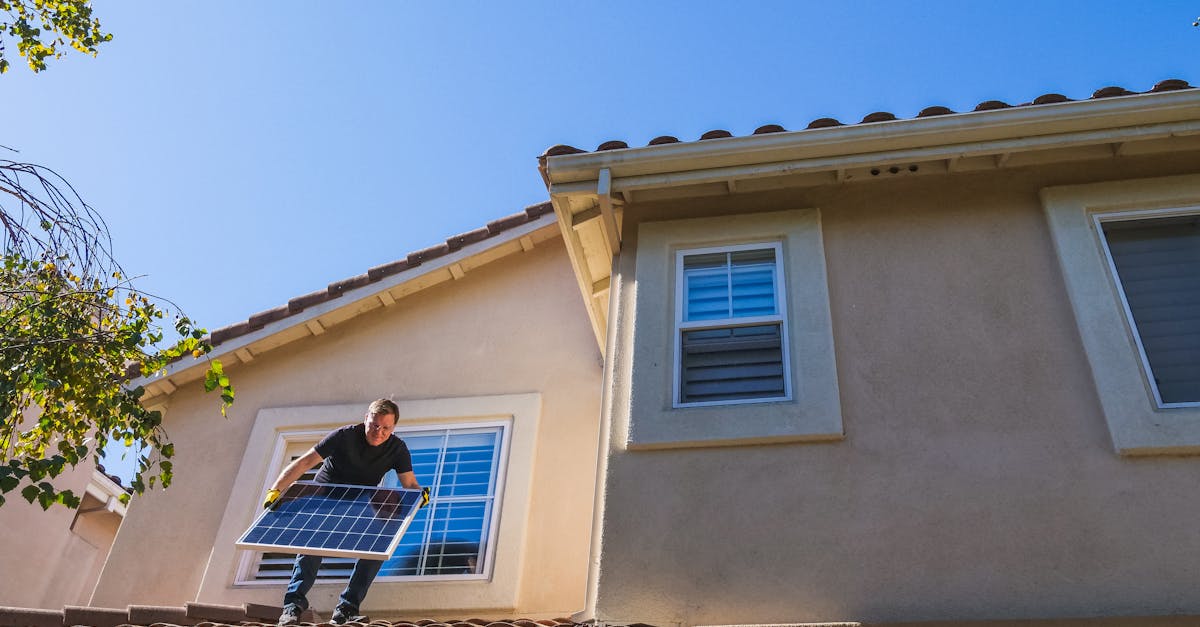
Hawaii's solar energy landscape is at a crossroads. While the state boasts the highest per capita rate of rooftop solar installations in the nation, with 45% of homes adopting the technology, including nearly half of Oahu's single-family homes, the impending expiration of federal tax credits casts a shadow over future growth. According to a recent report from the Honolulu Star-Advertiser, the end of these incentives could significantly impact the industry.
The federal tax credit, which previously offered a 30% credit for solar panel and battery installations, was set to expire at the end of 2032. However, the Trump administration accelerated the deadline, significantly impacting the economics of solar adoption for homeowners. The revised deadline of December 31, 2025, has already spurred a surge in applications as homeowners rush to take advantage of the credit. Hawaiian Electric reported a spike in applications in July, with a 683-application increase compared to June, and the highest monthly total since March 2024.
This shift presents both challenges and opportunities for Hawaii's business community. Solar companies are experiencing unprecedented demand, racing to meet the deadline. However, the expiration of the tax credit could lead to a slowdown in installations, impacting job growth within the solar industry. Civil Beat highlights concerns that the change could negatively impact Hawaii's clean energy future, especially given the state's reliance on high electricity prices.
For entrepreneurs and investors, navigating this changing landscape is crucial. While the end of the tax credit might initially curb demand, it also creates openings for innovative financing models and new approaches to make solar more accessible. The long-term success of Hawaii's solar sector will depend on adapting to these new market conditions and on state-level policy decisions that support the continued growth of renewable energy. This also means exploring alternative financial incentives and potentially incentivizing battery storage, which currently benefits from the federal tax credit.