


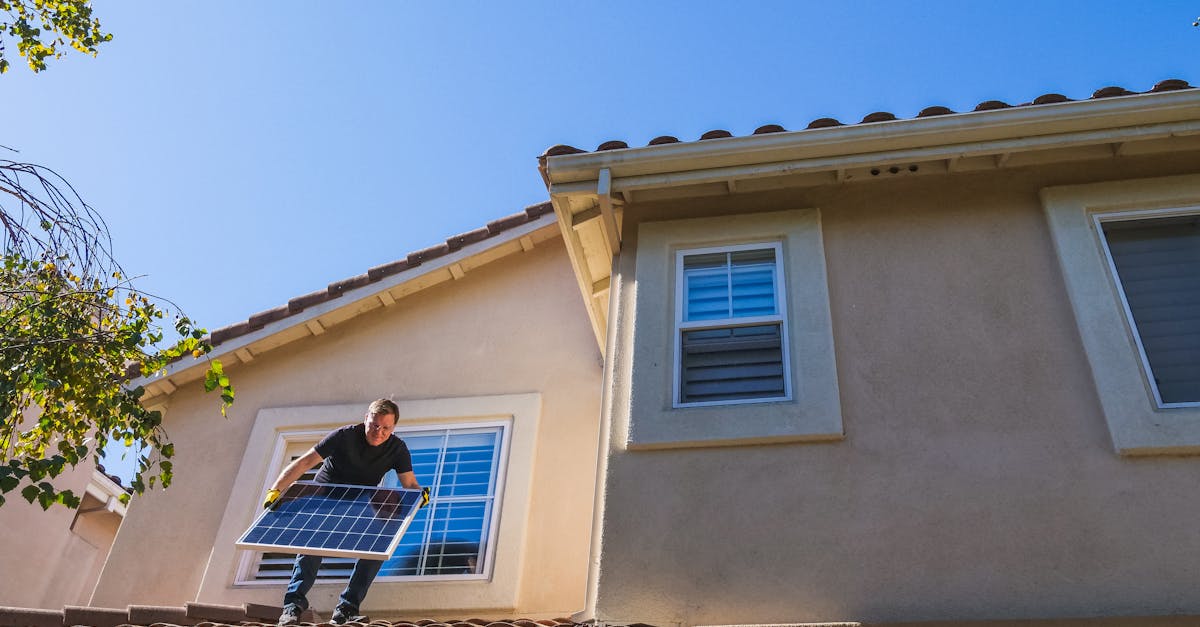
Hawaiian Electric recently announced that nearly half of all single-family homes on Oahu have incorporated rooftop solar systems, highlighting the rapid growth of renewable energy adoption in the state. However, this growth trajectory faces potential disruption due to the looming expiration of federal solar tax credits. This shift presents a complex landscape for Hawaii's entrepreneurs, investors, and professionals involved in the solar sector.
The push for solar installations has been fueled in part by the Residential Clean Energy Credit, which allowed homeowners to claim 30% of the costs of new residential energy systems. West Hawaii Today reported that the tax credit was set to expire at the end of 2032 but was accelerated to the end of December due to the passage of a new bill, prompting a rush of homeowners to install solar panels before the deadline.
The solar industry's outlook has become increasingly uncertain. Aloha State Daily highlights how the expiration of federal energy tax credits could cause a boom in solar installations now, but create an industry crisis next year. Additionally, Hawaii Public Radio noted that even a surge in commercial solar projects may face difficulties due to Hawaii's existing regulatory and logistical hurdles.
This evolving situation demands careful navigation for businesses. Opportunities exist for solar companies that can adapt to changing market conditions and find innovative financing or operational strategies, emphasizing the need for strategic planning. The long-term implications of these policy changes include potential shifts in investment patterns, project timelines, and the overall competitiveness of Hawaii's solar sector; however, Civil Beat advocates that the legislature must act now.


