


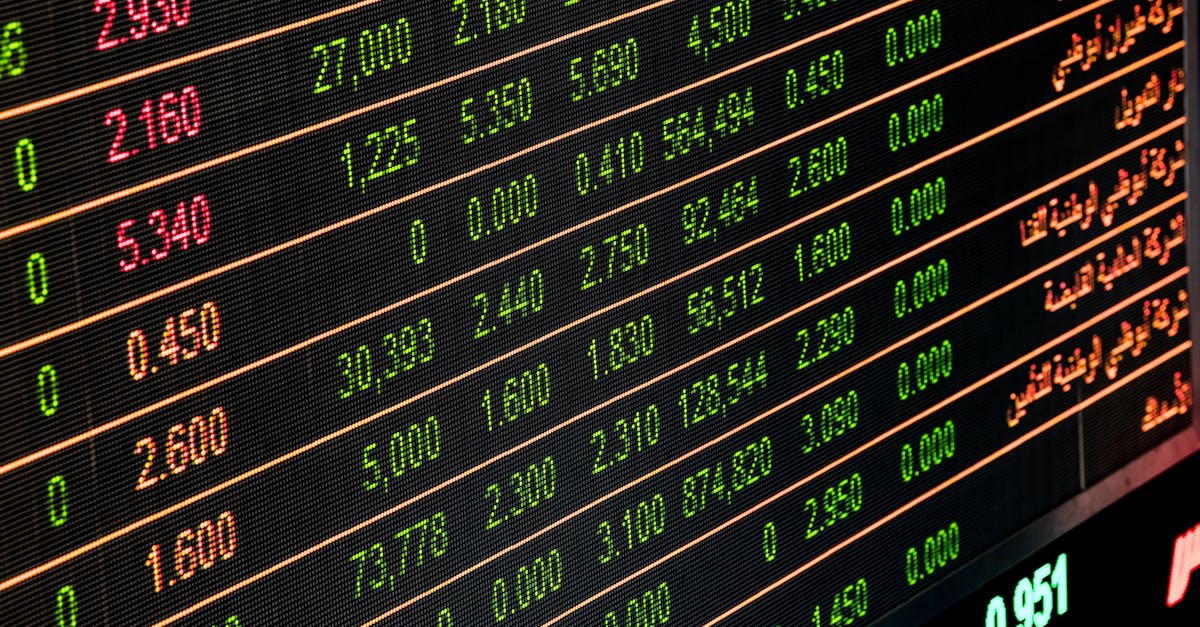
Geopolitical Instability Triggers Market Volatility: Act Now to Protect Investments and Capital Access
Executive Brief
Heightened geopolitical tensions have plunged major stock indices into correction territory, signaling increased market risk for Hawaii's investors and entrepreneurs. This volatility directly impacts portfolio values and can tighten access to capital, requiring immediate reassessment of financial strategies.
- Investors: Expect increased portfolio volatility and potential write-downs in venture capital valuations.
- Entrepreneurs & Startups: Funding rounds may face delays or repricing; scrutinize cash reserves.
- Real Estate Owners: Commercial property valuations could be indirectly affected by broader economic sentiment.
- Small Business Operators: Monitor supply chain stability and direct import costs for potential price increases.
- Action: Investors should review portfolio risk exposure; entrepreneurs should stress-test cash flow forecasts within 60 days.
The Change
Global markets have experienced significant declines, with the Nasdaq entering correction territory (a drop of 10% or more from its recent peak) and the S&P 500 and Dow Jones Industrial Average also falling sharply. This downturn, occurring on March 26, 2026, is primarily attributed to escalating fears of broader conflict stemming from U.S.-Israeli tensions with Iran. The immediate consequence is a pronounced increase in market volatility and a flight to perceived safe-haven assets, impacting investor confidence and asset valuations worldwide.
Who's Affected
Investors
For investors, including venture capitalists, angel investors, portfolio managers, and real estate investors, this market downturn signifies a period of heightened risk. Portfolios heavily weighted in growth stocks or technology sectors are particularly vulnerable to further declines. The valuation of venture capital and private equity stakes could be subject to downward revisions, potentially impacting unrealized gains and future funding rounds. Real estate investors may see a broader sentiment shift that could temporarily depress certain commercial property markets, even if fundamentals remain strong.
Entrepreneurs & Startups
Entrepreneurs and startups face immediate challenges related to capital access and valuation. Funding rounds, especially those in early to growth stages, may encounter increased investor caution, leading to longer due diligence periods, lower valuation multiples, or even shelved deals. Startups heavily reliant on venture capital will need to reassess their burn rates and extend their runway if possible. Access to debt financing might also become more constrained as lenders adopt a more conservative stance amid economic uncertainty.
Real Estate Owners
While the direct impact on real estate owners is less immediate than on financial markets, a sustained period of market instability can have ripple effects. Commercial property valuations can be indirectly influenced by a general economic slowdown or reduced investor appetite for risk. Developers may find it harder to secure construction financing on favorable terms, potentially delaying or increasing the cost of new projects. Landlords might face increased pressure if tenant businesses experience revenue declines.
Small Business Operators
Small business operators, such as restaurant owners, retail shops, and local franchises, should prepare for potential second-order effects. Increased global energy prices, a likely consequence of geopolitical conflict in the Middle East, can translate into higher operating costs for transportation and utilities. For businesses relying on imported goods, currency fluctuations and supply chain disruptions could lead to higher inventory costs and potentially necessitate price adjustments for consumers, impacting sales volume.
Second-Order Effects
Hawaii's status as an isolated island economy amplifies the ripple effects of global market volatility. A significant stock market downturn and tightened capital markets can lead to a reduction in available investment capital for local businesses seeking expansion or new ventures. This reduced capital access can slow down innovation and job creation within the state. Furthermore, if global economic sentiment sours, it can dampen tourism demand, a critical sector for Hawaii's economy, leading to reduced visitor spending and impacting businesses that rely on tourist foot traffic. A prolonged period of economic uncertainty could also influence consumer spending habits, leading to cautious expenditure even on essential goods and services for local residents, further contracting economic activity.
What to Do
Investors
Action: Review portfolio risk exposure immediately.
Guidance: Conduct a thorough assessment of your investment portfolio's current asset allocation and risk tolerance. Consider rebalancing towards more defensive assets if a higher risk of capital loss is unacceptable. For venture capital and private equity, engage with fund managers to understand their diversification strategies and liquidity plans. If exposure to volatile sectors is high, consider a phased reduction to mitigate further potential losses. Delaying this review for more than 30 days could result in significant, unrecoverable portfolio value erosion.
Entrepreneurs & Startups
Action: Stress-test cash flow forecasts and secure available capital within 60 days.
Guidance: If you are planning a funding round, accelerate discussions and aim for term sheet agreements within the next 60 days. Have contingency plans for slower fundraising or lower valuations. Review your current cash reserves and operating expenses; identify areas for immediate cost reduction to extend your runway. Explore all available lines of credit or bridge financing options now, as these may become harder to access if market conditions worsen. If already funded, consider whether additional prudent capital preservation measures are warranted.
Real Estate Owners
Action: Monitor market indicators and prepare for potential financing shifts.
Guidance: For commercial property owners, closely watch tenant business performance and lease renewal negotiations. Be prepared to offer flexibility where feasible to retain stable tenants. If contemplating new development or refinancing, consult with lenders and financial advisors to understand potential shifts in financing availability and interest rates. While immediate action isn't required if current financing is stable, understanding future market dynamics is crucial for strategic planning over the next 90 days.
Small Business Operators
Action: Assess supply chain resilience and cost controls within 30 days.
Guidance: Review your key suppliers and transportation logistics. Identify potential single points of failure or reliance on regions that might be directly or indirectly affected by geopolitical instability. Secure contracts for critical supplies where possible, and explore alternative sourcing options. Analyze your operating budget for potential cost increases, particularly in energy and imported goods, and determine if incremental price adjustments will be necessary. Proactive cost management now can prevent significant margin erosion in the coming months.
