


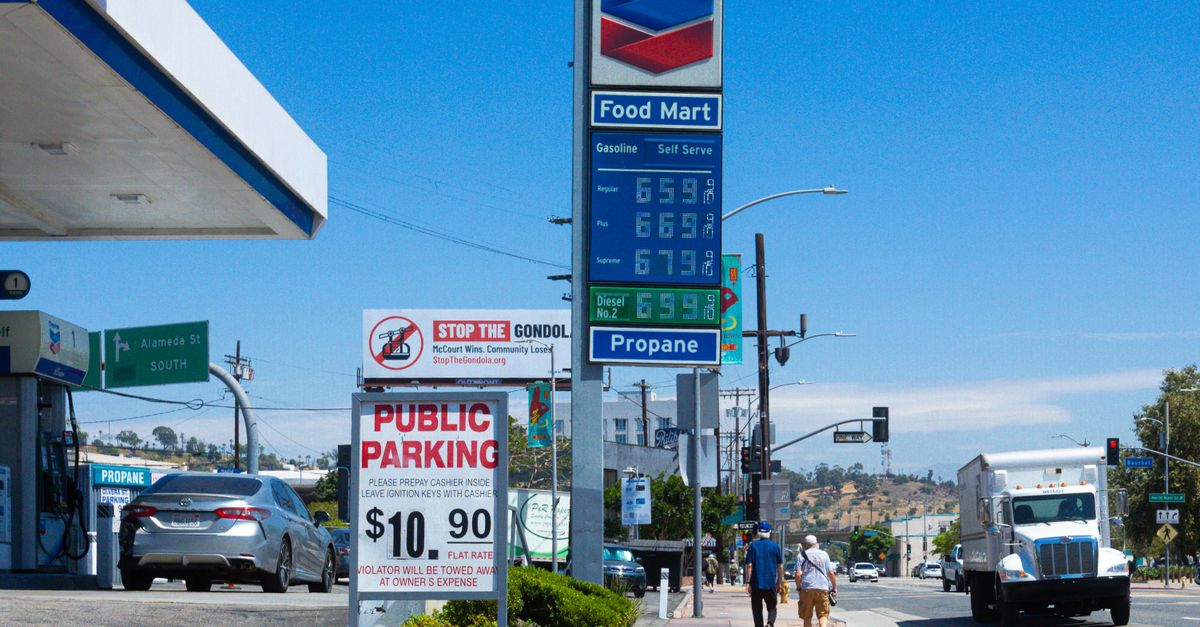
Hawaii Businesses Face 5-10% Increase in Transportation Costs as Gas Prices Surge
Executive Brief
Global oil market volatility and geopolitical tensions are driving Hawaii's gasoline prices upward, with current trends projecting a 5-10% increase in operating costs for transport-reliant businesses within the next 30 days. Small business operators and tourism providers must immediately review cost-mitigation strategies.
- Small Business Operators: Expect higher delivery, supply chain, and employee commute costs.
- Tourism Operators: Increased operational expenses may necessitate fare adjustments or service rationing.
- Agriculture & Food Producers: Supply chain logistics and input costs will rise.
- Real Estate Owners: Property management and maintenance logistics will become more expensive.
- Action: Review fuel budgets and explore hedging or efficiency measures within 30 days.
The Change
Hawaii's average gasoline prices are poised for another surge, moving beyond recent temporary dips. Analysts from AAA Hawaii and GasBuddy attribute this impending increase to a confluence of factors, primarily rising global crude oil prices influenced by ongoing geopolitical conflicts in the Middle East. While specific price points fluctuate, the underlying pressure suggests a sustained upward trend. This directly impacts Hawaii's isolated economy, where fuel is a fundamental component of nearly all operational logistics.
Who's Affected
Small Business Operators Businesses reliant on delivery vehicles, shipping, or employee transportation will see an immediate impact. A projected 5-10% increase in fuel costs translates directly to higher operational expenses. For restaurants, this means increased food delivery costs from suppliers and potentially higher charges for catering or delivery services. Retailers will face greater expense for inventory replenishment. Service providers, such as plumbers or electricians, will incur higher costs for travel to client sites. This squeeze on margins may force difficult decisions regarding pricing, staffing, or service scope.
Tourism Operators The hospitality sector, from tour bus companies to rental car agencies and even hotel shuttle services, is highly sensitive to fuel price fluctuations. Increased fuel costs will directly inflate operating budgets. Tour operators may need to consider raising prices for excursions or reducing the frequency of tours. Rental companies will face higher costs for vehicle fleets, potentially impacting their pricing structures for visitors. Ultimately, higher operational expenses could lead to increased costs for tourists, potentially affecting demand if prices become uncompetitive.
Agriculture & Food Producers Hawaii's agricultural sector, already navigating complex logistical challenges due to its island geography, faces elevated costs. Fuel is critical for farming equipment, transportation of produce to markets, and shipping to distributors. A significant rise in gasoline prices will increase the cost of bringing goods to local markets and potentially increase expenses for any inter-island or export operations. This could lead to higher prices for locally sourced goods on store shelves.
Real Estate Owners While not as direct as for transportation-dependent businesses, property owners and managers will experience indirect cost increases. Maintenance and repair services, landscaping, and waste removal often rely on fuel-powered vehicles. Increased operational costs for these services may be passed on to landlords through higher management fees or service contracts, which could eventually translate to higher rents for commercial or residential tenants if not absorbed.
Second-Order Effects
This rise in fuel costs initiates a chain reaction within Hawaii's insular economy. Higher transportation expenses for businesses lead to increased costs for goods and services, directly contributing to a higher cost of living for residents. This inflationary pressure can reduce consumer purchasing power, potentially impacting demand for non-essential goods and services. For tourism operators, higher operating costs might necessitate price increases for visitors, potentially affecting Hawaii's competitiveness as a destination if other locations do not experience similar cost hikes. Furthermore, increased demand for public transportation or ride-sharing services might occur as residents and tourists seek to mitigate personal fuel expenses, placing additional strain on existing transit infrastructure.
What to Do
Small Business Operators Immediate action is recommended. Conduct a thorough review of your current fuel expenditure and projected costs over the next 90 days. Explore opportunities for improving fuel efficiency in your fleet, such as route optimization or vehicle maintenance schedules. Investigate fuel hedging strategies or bulk purchasing options with suppliers if feasible. Consider renegotiating contracts with third-party logistics providers to understand how these rising costs will be passed on. If price increases are inevitable, begin planning communication with customers about revised pricing structures, effective in 30-60 days.
Tourism Operators Review your pricing models and operational budgets. Analyze the direct impact of fuel costs on your most transport-intensive offerings (e.g., tours, transportation services). Identify areas for operational efficiencies, such as optimizing tour routes, reducing vehicle idling, or consolidating schedules. Assess the elasticity of demand for your services; if prices must rise, understand how that might affect booking volumes. Communicate any necessary price adjustments to your customer base transparently and in advance, ideally within the next 30-45 days.
Agriculture & Food Producers Evaluate your supply chain logistics and input costs. Engage with your transportation and distribution partners to understand how rising fuel prices will affect their rates. For producers selling directly to consumers, consider the impact on your own delivery costs and explore pricing adjustments or alternative distribution models. If you rely on imported inputs, factor in potential increases in freight costs that could affect the price of seeds, fertilizers, or equipment.
Real Estate Owners For property managers, review vendor contracts for services like cleaning, maintenance, and landscaping. Understand how fuel surcharges might be implemented and factor these potential increases into upcoming budgets. For landlords, assess whether current lease agreements allow for the pass-through of increased operational expenses related to common area maintenance. Proactive communication with service providers and tenants about potential cost adjustments is advisable within the next 30-60 days.
