


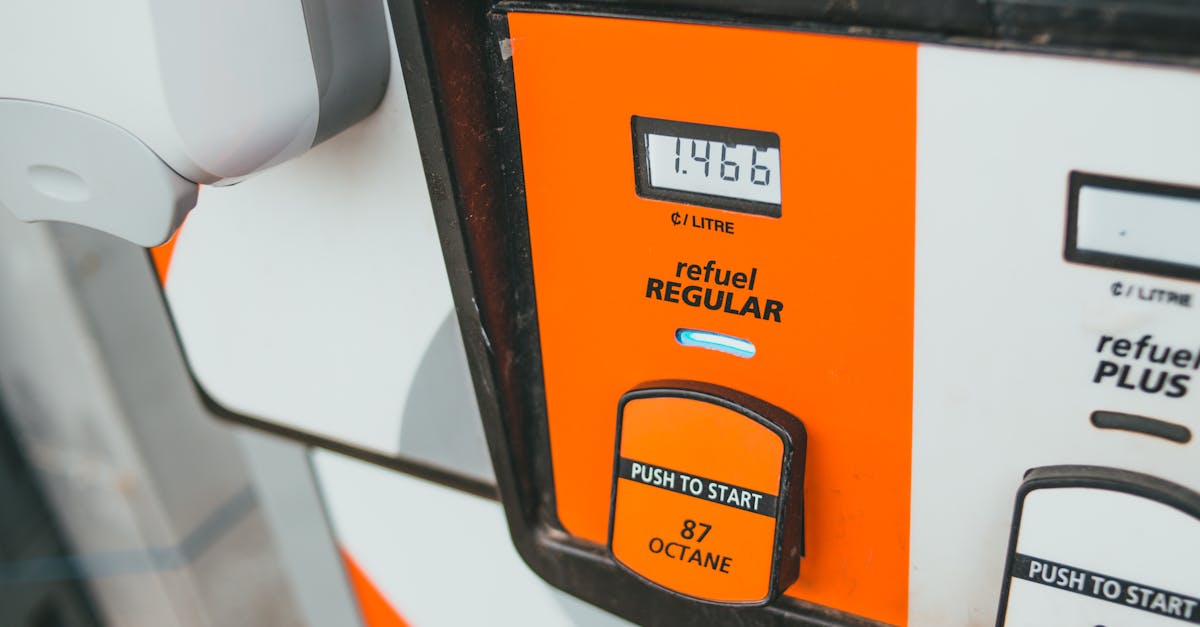
Hawaii Businesses Face 5-15% Operating Cost Surge as Gas Prices Hit Record Highs
Record-breaking gasoline prices across Hawaii, now averaging $5.63 per gallon, are imposing immediate and significant cost pressures on businesses reliant on transportation. This escalation, driven by volatile global oil markets and compounded by Hawaii's unique logistical challenges, demands proactive cost management and strategic adjustments to maintain profitability and service continuity.
The Change
As of April 9, 2026, average gasoline prices in Hawaii have climbed to $5.63 per gallon, breaking the previous record of $5.62 set in 2022. This phenomenon is primarily attributed to rising global crude oil costs, exacerbated by geopolitical factors and supply chain disruptions. For an island state heavily dependent on imported fuel and with limited public transportation options outside of major urban centers, this price hike translates directly into higher operational expenses for nearly every sector.
Who's Affected
Small Business Operators (small-operator): For businesses like restaurants, retail stores, and local service providers, which rely on vehicles for deliveries, customer service, and supply chain logistics, this represents a direct increase in operating expenses. The average cost for a full-service vehicle could see an increase of $50-$150 per month, translating to a 5%-15% jump in transportation-related operating costs. Businesses with young fleets or those relying on frequent deliveries will feel this impact most acutely. Owners must consider absorbing these costs, adjusting prices, or optimizing delivery routes.
Tourism Operators (tourism-operator): Hotels, tour bus companies, rental car agencies, and excursion providers are facing a significant cost increase. For tour operators, fuel is a primary expense. A rise in gas prices typically leads to increased surcharges on tours, impacting package prices and potentially reducing demand. Rental car companies are likely to pass these costs onto consumers through higher daily rates. This could make Hawaii a less attractive destination for budget-conscious travelers and put pressure on operators to find efficiencies.
Agriculture & Food Producers (agriculture): The agricultural sector, from crop farmers to ranchers and food processors, will experience higher costs across multiple fronts. This includes the operation of farm machinery, the transportation of goods from farms to processing facilities or local markets, and inter-island shipping. For producers who export goods, increased fuel costs directly impact their competitiveness in off-island markets. Smaller, local farms may struggle to absorb these rising expenditures, potentially leading to reduced local food availability or higher prices at farmers' markets.
Real Estate Owners (real-estate): While not as direct as other sectors, property managers and real estate developers will also face elevated costs. Maintenance crews, landscaping services, and delivery personnel for construction materials will incur higher fuel expenses. Property managers may see increased utility costs if private transportation is required for site visits or emergency repairs. Developers budgeting for new projects need to account for potentially higher costs for material delivery, adding another layer of complexity to project feasibility.
Second-Order Effects
Hawaii's isolated geography and reliance on imports mean that escalating fuel costs create a cascade of price increases throughout the economy. Higher transportation expenses for goods and services inevitably lead to increased consumer prices for a wide range of products, from groceries to retail items. This contributes to a higher cost of living, which can put pressure on wages as employees seek compensation to offset inflation. For tourism operators, higher operating costs coupled with a potentially reduced consumer spending capacity from local residents could create a dual squeeze on profitability. Furthermore, businesses that rely on mainland materials will face compounded costs, impacting everything from construction to consumer product availability.
What to Do
Small Business Operators:
- Review Fuel Consumption: Conduct an immediate audit of vehicle usage. Identify all routes (delivery, service, supply). Quantify current monthly fuel expenditures.
- Optimize Logistics: Re-evaluate delivery routes for maximum efficiency. Consider consolidating deliveries, adjusting service areas, or implementing surge pricing for deliveries outside core zones. Explore partnerships with other local businesses for shared delivery services.
- Explore Fuel Efficiency: If possible, assess the feasibility of upgrading to more fuel-efficient vehicles or implementing driver training programs focused on fuel conservation techniques (e.g., proper tire inflation, reduced idling, smoother acceleration/braking).
- Pricing Strategy: Analyze profit margins and determine the proportion of fuel cost increase that can be passed on to customers without significantly impacting demand. Consider introducing a small, transparent fuel surcharge for deliveries or services.
- Negotiate with Suppliers: Revisit contracts with suppliers to understand their fuel surcharge mechanisms and explore potential cost savings through bulk purchasing or adjusted payment terms.
-
Action: If profit margins are currently tight, begin implementing route optimization and consider small, incremental price adjustments for services or products by April 30th to match an estimated 5-10% increase in fuel costs projected over the next quarter. Re-evaluate weekly.