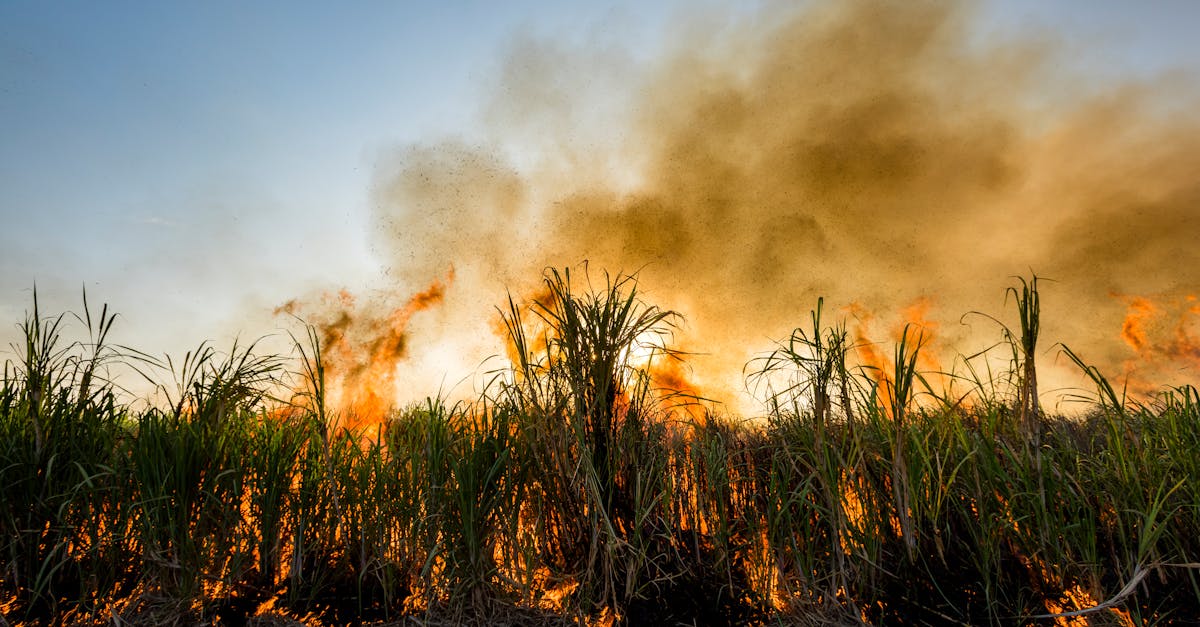
Higher Wildfire Resilience Spending Signals Potential Risk Re-evaluation for Hawaii Businesses
While not a direct mandate, Hawaii's recent allocation of $1.8 million in grants for 'high-impact' wildfire projects indicates a strategic shift towards enhancing the state's wildfire resilience. These awards are directed at community-specific projects designed to combat the growing threat of wildfires across the islands. The successful procurement of this funding suggests an increasing emphasis on proactive mitigation, which is likely to inform future risk assessments and, consequently, business operational considerations and insurance underwriting.
Who's Affected
Small Business Operators (e.g., retail, restaurants, service providers in high-risk zones):
- Insurance Premiums: A successful increase in wildfire mitigation could eventually lead to adjustments in commercial property insurance premiums as insurers re-evaluate localized risk. While immediate changes are unlikely, sustained investment in resilience may influence future rates.
- Operational Continuity: Increased preparedness may reduce the likelihood of business interruption due to wildfires, but operators will need to integrate new emergency response protocols informed by these mitigation efforts.
Real Estate Owners (commercial, residential, landholders):
- Property Values and Development: Areas that successfully implement mitigation projects may become more attractive for development or investment, potentially stabilizing or increasing property values. Conversely, areas lagging in preparedness may face increased risk perception.
- Insurance Availability and Cost: Underwriters may begin to differentiate risk more granularly based on the presence and effectiveness of local mitigation efforts, impacting future insurance policy renewals.
Tourism Operators (hotels, vacation rentals, tour companies):
- Reputational Risk and Visitor Safety: Proactive wildfire management enhances the perceived safety of tourist destinations, potentially safeguarding visitor numbers. Conversely, a significant wildfire event can severely damage tourism.
- Emergency Preparedness Costs: Operators will need to align their existing emergency evacuation and safety plans with newly implemented community-level mitigation strategies.
Agriculture & Food Producers (farms, ranches, plantations):
- Land Use and Crop Protection: Wildfire mitigation projects can protect agricultural lands from direct damage and reduce the risk of smoke impacting crop quality or livestock health.
- Water Resource Management: Some mitigation projects may involve land management practices that indirectly affect water availability or runoff, which is critical for agriculture.
Second-Order Effects
Successful community-level wildfire mitigation projects, supported by state and federal funding, are foundational to enhanced resilience. This proactive stance can stabilize or reduce insurance costs for properties in previously high-risk areas over the medium term. However, the long-term effectiveness of these projects may also influence land use policies and development feasibility in fire-prone regions, potentially shifting development pressure to less vulnerable areas or increasing the cost of building in those that are. Ultimately, a more resilient landscape can contribute to a more stable tourism sector by reducing the risk of major disruptions and enhancing destination appeal.
What to Do
Given the 'WATCH' action level, businesses should focus on monitoring evolving risk landscapes rather than immediate operational changes. The $1.8 million awarded represents an initial investment, and its impact will unfold over time.
Small Business Operators & Tourism Operators: Begin monitoring local wildfire risk assessments and any updates from your insurance providers regarding risk-based pricing or coverage changes. Review and update your business continuity and emergency preparedness plans to align with community-level mitigation efforts as they are implemented. Pay attention to any new guidelines or recommendations from county emergency management agencies.
Real Estate Owners: Track the progress and reported effectiveness of the wildfire mitigation projects in your specific geographic areas of interest. Understand how these projects might influence county planning and zoning boards regarding development in or near high-risk fire zones. Consult with your insurance brokers to understand how perceived risk mitigation might affect your property insurance renewals in the next 12-24 months.
Agriculture & Food Producers: Stay informed about any land management or water-use implications of the awarded wildfire mitigation projects that could affect your operations. Engage with local agricultural extension offices or county agencies to understand how these projects might complement or alter existing land management best practices for fire prevention and resource conservation.