


The Change
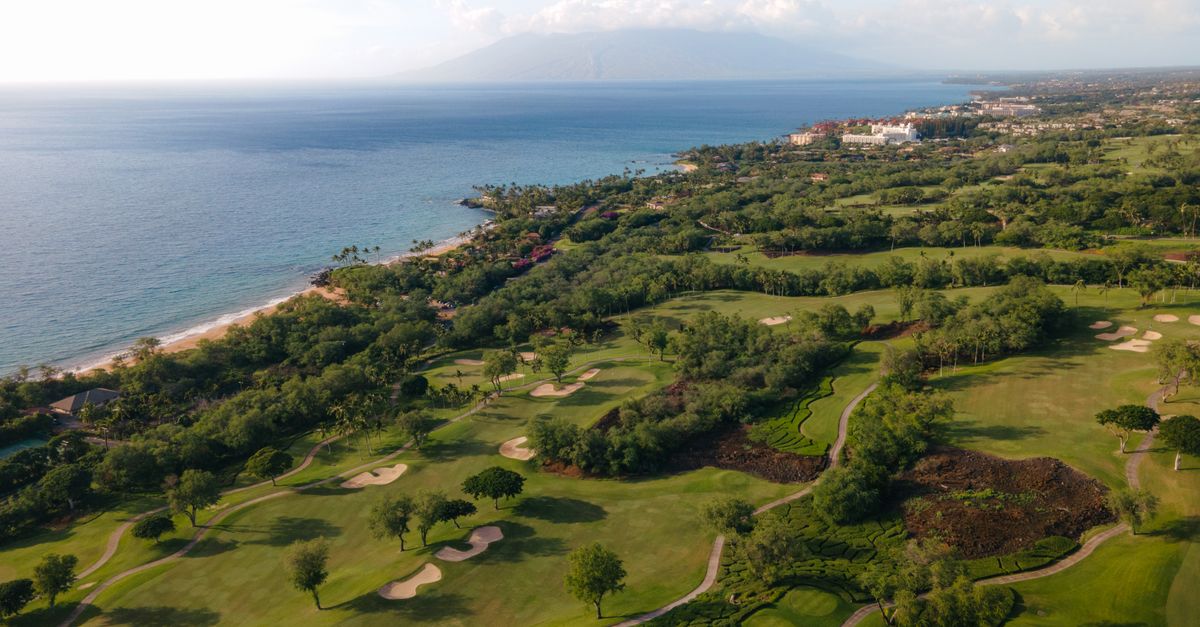
The PGA Tour has confirmed that its two Hawaii-based tournaments, the Sony Open in Hawaii and The Sentry at Kapalua, will not be featured on the official tour schedule starting in 2027. This decision represents a substantial financial blow to the state, with estimates suggesting an annual loss of over $150 million in visitor spending. This cancellation removes a significant, high-profile draw for a specific, affluent segment of tourists, particularly during traditionally slower periods of the tourism calendar.
Who's Affected
Tourism Operators
Hotels, luxury resorts, rental companies, and associated hospitality businesses in Honolulu and Kapalua can expect a direct reduction in bookings from a segment known for high per-capita spending. The loss of these events, typically held in January, removes a crucial anchor for high-net-worth individuals during a period when other leisure travel may be less robust. Businesses that have historically catered to or benefited from the influx of players, caddies, support staff, media, and affluent spectators will need to pivot their target markets and promotional efforts. Expect a potential decrease in demand for high-end services, such as premium car rentals and fine dining, during the tournament window.
Investors
Investors with portfolios concentrated in Hawaii's tourism sector, particularly those focused on luxury accommodations, golf-related businesses, or businesses reliant on high-spending international and domestic visitors, should review their exposure. The removal of these events signals a potential recalibration of the state's appeal to certain affluent demographics. This could affect the valuation of golf course properties and surrounding real estate. Investors should monitor the state's efforts to attract new high-value events and consider opportunities in emerging luxury or niche tourism markets that may gain traction as a result.
Real Estate Owners
Property owners and developers in proximity to the Waialae Country Club (Sony Open) and the Plantation Course at Kapalua (The Sentry) may experience a subtle shift in demand. While these tournaments are not the sole drivers of property value, they contribute to the desirability and premium positioning of these areas. A decline in the flow of affluent visitors could lead to a softening of demand for short-term luxury rentals and potentially impact long-term residential sale prices in these specific locales. Landlords should consider the reduced economic activity from a key consumer group when assessing market potential.
Small Business Operators
While not directly tied to golf, many small businesses in resort areas, particularly restaurants, high-end retail, and transportation services, benefit from the economic ripple effects of major sporting events. The cancellation of the PGA Tour events means a reduction in a predictable influx of well-heeled customers. Operators should anticipate a potential dip in discretionary spending and assess their reliance on transient high-spend visitor segments. This may necessitate a stronger focus on local clientele or alternative visitor demographics.
Second-Order Effects
The elimination of these high-profile events could lead to a decrease in demand for luxury goods and services, potentially impacting import businesses and high-end retail. A sustained reduction in affluent visitor spending might also affect the premium pricing power of certain hotels and resorts, potentially leading them to target broader market segments, which could in turn pressure existing providers targeting budget travelers. Furthermore, if the state struggles to replace this revenue stream with other high-value attractions, it might increase pressure on tax revenues, potentially leading to discussions about alternative revenue generation methods that could affect all businesses.
What to Do
Tourism Operators
Watch: Monitor the success of the state's efforts to attract and promote alternative high-value events or establish new luxury tourism niches. Keep an eye on visitor arrival statistics specifically for the January period and track the performance of competing destinations that may capitalize on the PGA Tour's absence.
Trigger: If visitor numbers for the January period decline by more than 5% year-over-year for two consecutive years, or if competitor destinations report significant growth in similar high-spending segments, action is required.
Action: Begin diversifying marketing strategies to attract new visitor segments, such as wellness tourism, adventure travel, or cultural tourism. Explore partnerships with new event organizers or focus on enhancing year-round appeal to reduce reliance on specific, large-scale events.
Investors
Watch: Assess the financial performance of companies and properties heavily reliant on golf tourism or the specific affluent demographic these tournaments attract. Monitor the state's economic development initiatives aimed at replacing lost tourism revenue.
Trigger: If companies with significant exposure to these events show declining revenues or profitability, or if real estate values in tournament-adjacent areas show a sustained downturn, immediate portfolio adjustments might be necessary.
Action: Rebalance portfolios to reduce concentrated risk in golf tourism. Identify and evaluate emerging niche tourism sectors in Hawaii that may offer growth opportunities, such as sustainable tourism or specialized adventure experiences.
Real Estate Owners
Watch: Monitor rental occupancy rates and pricing trends for luxury accommodations in Kapalua and Honolulu, especially during the January period. Observe any shifts in long-term rental demand or sales activity in tournament-associated neighborhoods.
Trigger: If luxury rental occupancy rates fall below 75% for two consecutive January periods, or if property sales in these specific areas show a decline in median price, consider adjusting rental pricing or sales strategies.
Action: Focus on property amenities and services that appeal to a broader luxury market, not solely event-driven demand. Enhance marketing efforts to attract longer stays or different types of affluent travelers.
Small Business Operators
Watch: Track local consumer spending trends and overall visitor arrival numbers in January. Observe whether other visitor segments are compensating for the potential loss of high-spending individuals related to the PGA Tour events.
Trigger: If overall foot traffic or sales revenue in January consistently declines by more than 3-5% year-over-year, it may indicate a broader economic impact.
Action: Strengthen relationships with local residents and explore collaborations with businesses that cater to diverse visitor segments. Consider promotions or loyalty programs to retain existing customer bases and attract new, potentially less event-dependent clientele.
