The Change
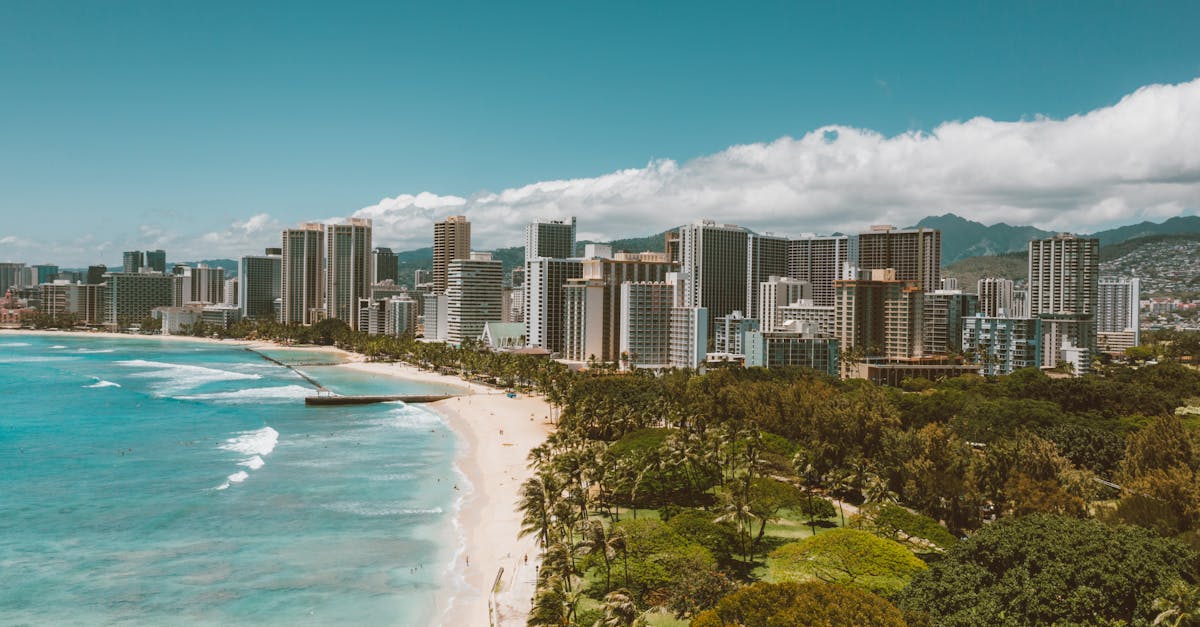
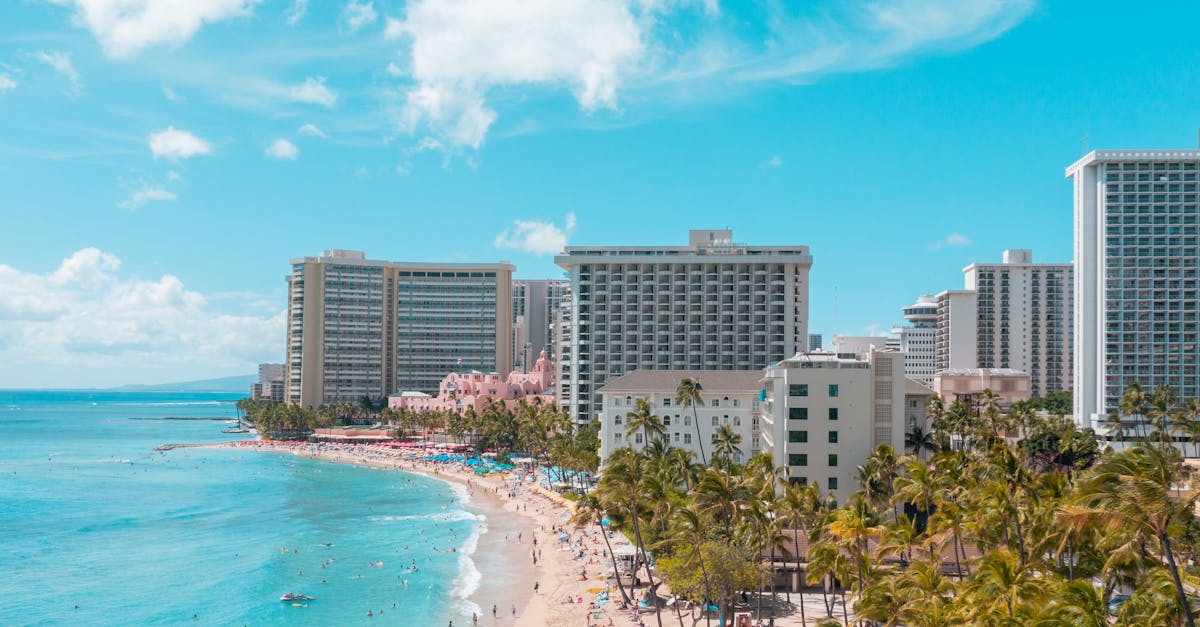
Preliminary data from the Hawaiʻi State Department of Business, Economic Development and Tourism (DBEDT) indicates that total visitor spending in April 2026 reached $1.77 billion. This represents a 4.8% increase compared to April 2025. Notably, this growth occurred despite a slight dip in the total number of visitor arrivals during the same period. This suggests a subtle but potentially significant shift in the tourism market: visitors who are coming are spending more, on average.
Who's Affected
Tourism Operators
Hotels, tour operators, airlines, and hospitality businesses need to recognize that the strategy of volume may be less effective than focusing on guest value. A 4.8% spending increase suggests either a demographic shift towards higher-income travelers, a change in travel preferences favoring premium experiences, or successful upselling by businesses. This could mean higher revenue per occupied room or per tour, but also potentially higher expectations for service and amenities. Businesses should analyze their current pricing and service packages to ensure they align with this trend.
Investors
For investors, this trend points towards the resilience and adaptability of Hawaii's tourism sector. The ability to generate more revenue from fewer visitors suggests a potentially more sustainable tourism model, which could attract investment in companies focusing on high-value experiences, luxury accommodations, and premium services. Real estate investors might see continued demand for high-end properties or developments catering to affluent visitors or residents.
Small Business Operators
Restaurants, retail shops, and local service providers should consider how this shift impacts their customer base. If the average visitor is spending more, there may be an opportunity to adjust pricing or introduce premium offerings. However, this trend could also be accompanied by increased local costs, as higher tourism revenue can indirectly fuel inflation for goods and services. Businesses should evaluate their supply chains and operating costs in light of potential increased demand and associated price pressures.
Entrepreneurs & Startups
Entrepreneurs might find fertile ground for new ventures centered around curated experiences, luxury goods, or specialized services catering to a more affluent traveler. The shift towards higher spending could validate business models that focus on quality over quantity. Access to capital might become more available for startups demonstrably aligning with this premium market segment.
Second-Order Effects
This trend of higher visitor spending, even with fewer arrivals, can initiate several ripple effects within Hawaii's isolated economy. An increase in visitor spending might lead to greater demand for premium local goods and services, potentially raising prices for those items. If successful, this could spill over into the local economy, increasing the cost of living for residents if wages do not keep pace. It could also create increased pressure on existing infrastructure, even with fewer bodies, as higher-spending tourists may demand more resource-intensive services. Moreover, if businesses adapt by focusing on higher-value offerings, this could lead to a demand for more skilled labor in the hospitality sector, potentially increasing wage expectations for service workers.
What to Do
Tourism Operators: Analyze April's visitor data further and compare it with previous months to identify sustained trends in spending per arrival. Consider re-evaluating your pricing strategy and service offerings to maximize revenue from higher-spending visitors. If visitor numbers remain flat or slightly down, focus marketing efforts on attracting a demographic willing to spend more.
Investors: Monitor the performance of publicly traded tourism and hospitality companies in Hawaii. Look for opportunities in niche markets that cater to high-net-worth individuals or those offering unique, premium experiences. Assess real estate investments with a focus on luxury segments.
Small Business Operators: Evaluate your product mix and pricing. Are there opportunities to introduce higher-margin items or premium service packages that align with increased visitor spending? Track local consumer price indices and supplier costs to anticipate potential cost increases.
Entrepreneurs & Startups: Develop business plans that focus on delivering high-value, unique experiences or products. Conduct market research to identify unmet needs within the affluent tourist demographic. Prepare to pitch to investors highlighting how your venture capitalizes on this higher-spending trend.
Action Details: Businesses should watch visitor spending trends and arrival numbers closely over the next two quarters. If the trend of increased spending per visitor continues and becomes more pronounced, action should include proactively adjusting marketing materials, service offerings, and pricing strategies to target this higher-value segment before the peak of the next tourism season. Monitor competitor responses and adjust accordingly.