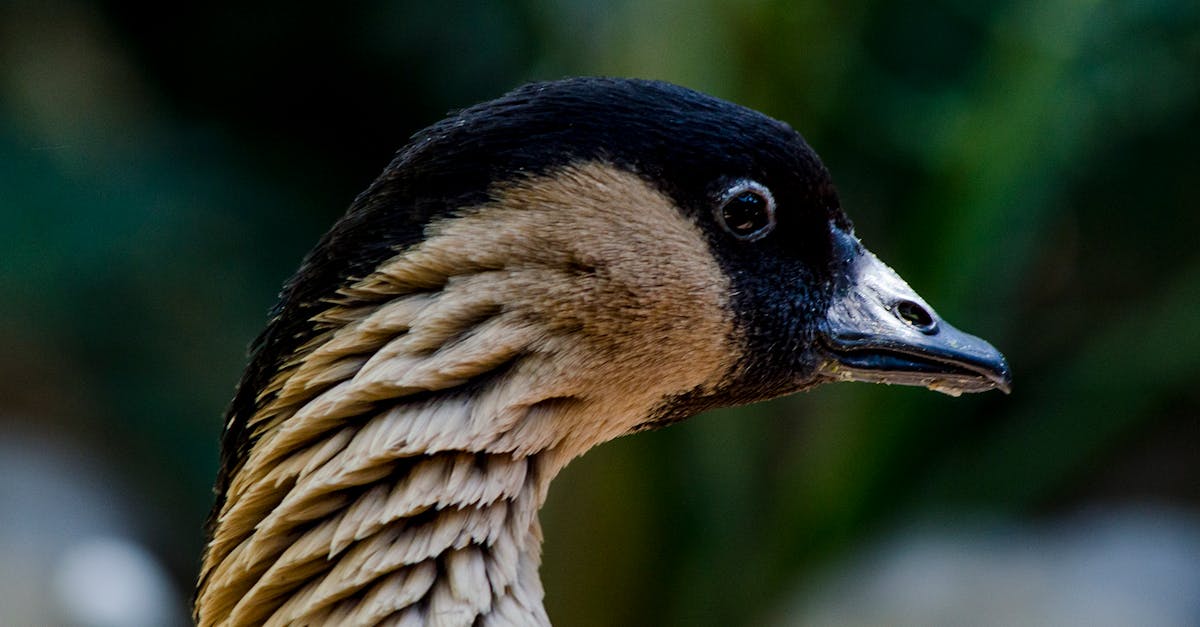
Heightened Bird Flu Surveillance Necessary for Hawaii's Agriculture and Tourism Sectors
The State of Florida declared a state of emergency in February 2024 due to an H5N1 avian influenza outbreak in dairy cattle, marking a significant shift in the virus's impact beyond poultry. This development, coupled with ongoing surveillance of numerous wild bird populations globally and domestically, signals an elevated risk profile for agricultural and food-dependent economies like Hawaii, even though no instances have been reported in the islands themselves. The emergence of H5N1 in mammals, particularly dairy cows, introduces new pathways for transmission and underscores the need for Hawaii's businesses to augment their biosecurity readiness.
Who's Affected
- Agriculture & Food Producers: The primary concern is the potential introduction of avian influenza viruses into Hawaii's poultry, swine, and potentially aquaculture operations. Dairy is not a significant sector in Hawaii, but the spillover into mammals indicates a broader threat. An outbreak could lead to culling of affected animals, loss of productive capacity, and severe disruptions to supply chains for local meat, egg, and dairy alternatives. This could result in immediate price increases for consumers and potential shortages of key agricultural products. For food producers reliant on local inputs, this translates to increased operating costs and potential production halts.
- Small Business Operators: Restaurants and food retailers that rely on locally sourced ingredients face direct impacts. An avian flu outbreak could reduce the availability and increase the cost of poultry and eggs, forcing menu changes or price adjustments. This could negatively affect consumer demand and business margins. Furthermore, any perception of food safety concerns, even if unfounded, could deter dine-in customers.
- Tourism Operators: While direct impacts are less immediate, severe outbreaks in domestic poultry or large-scale wildlife die-offs could create negative headlines. This could lead to visitor unease about consuming local food products or visiting natural attractions. The cumulative effect of supply chain issues impacting restaurant offerings could also indirectly affect the visitor experience.
- Investors: Investors in Hawaii's agricultural sector, food processing, and even hospitality may face increased risk. The potential for rapid culling of livestock and disruption to production cycles warrants a closer look at biosecurity measures and contingency plans of portfolio companies. Emerging infectious diseases in key agricultural or wildlife populations can serve as a significant market disruption event.
Second-Order Effects
The introduction of avian influenza into Hawaii's limited agricultural ecosystem could trigger a cascade of negative outcomes. An outbreak in poultry farms could necessitate culling, directly reducing the supply of eggs and chicken. This reduction in supply, coupled with increased demand, would likely drive up prices for these staples. Subsequently, restaurants would face higher food costs, potentially leading them to increase menu prices or reduce portion sizes, impacting consumer spending. Simultaneously, imported poultry and egg prices might also see an uptick due to broader market instability, increasing costs for all food businesses and potentially for tourists, thereby affecting the overall competitiveness of Hawaii's tourism product. This scenario highlights how a localized agricultural crisis can rapidly manifest as increased cost of living and reduced consumer confidence.
What to Do
This situation requires a proactive monitoring and preparedness approach. Immediate action is not mandated, but diligent observation and readiness are crucial.
For Agriculture & Food Producers: Regularly monitor official reports from the USDA's Animal and Plant Health Inspection Service (APHIS) and the Hawaii Department of Agriculture regarding avian influenza outbreaks in mainland U.S. states, particularly those with extensive poultry or dairy operations. Review and, if necessary, enhance your biosecurity protocols for farms and production facilities. This includes stricter controls on visitor access, disinfection procedures for equipment and vehicles, and immediate reporting of any unusual animal morbidity or mortality to state veterinary authorities.
For Small Business Operators and Tourism Operators: Stay informed about the availability and pricing of key poultry and egg products from local suppliers. Engage with your suppliers to understand their contingency plans for supply chain disruptions. While direct consumer concern may be low currently, be prepared to address any questions regarding food sourcing and safety with transparent, fact-based information, relying on official statements from agricultural and health authorities.
For Investors: Keep abreast of news related to avian influenza outbreaks and their impact on agricultural commodities. Assess the risk exposure of your investments in Hawaii's food and agriculture sectors. Consider the resilience of their supply chains and biosecurity measures during due diligence for new investments in these areas.
Action Details
Monitor reports from the USDA APHIS and the Hawaii Department of Agriculture for confirmed avian influenza outbreaks in U.S. poultry and dairy operations, especially those impacting supply chains for eggs and poultry. If significant outbreaks begin to affect major production regions supplying Hawaii, or if any suspicious die-offs are reported in local wild bird or animal populations, then activate enhanced biosecurity protocols, communicate with suppliers about potential shortages or price increases, and prepare to adjust menus or sourcing strategies. A proactive approach to biosecurity and supply chain resilience is paramount.


