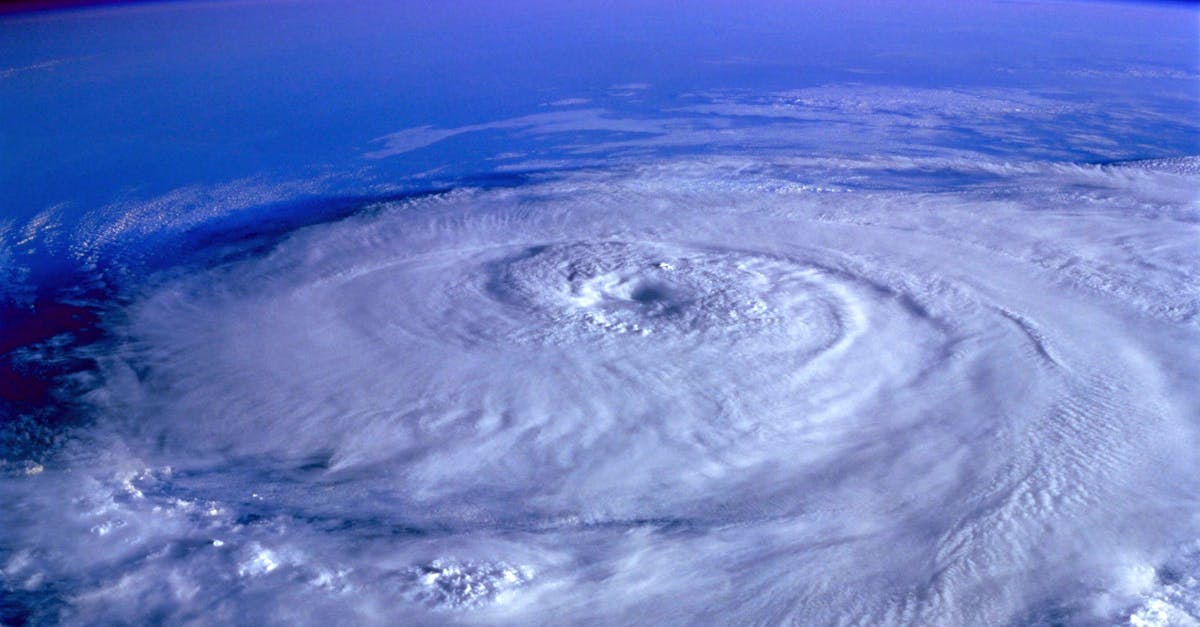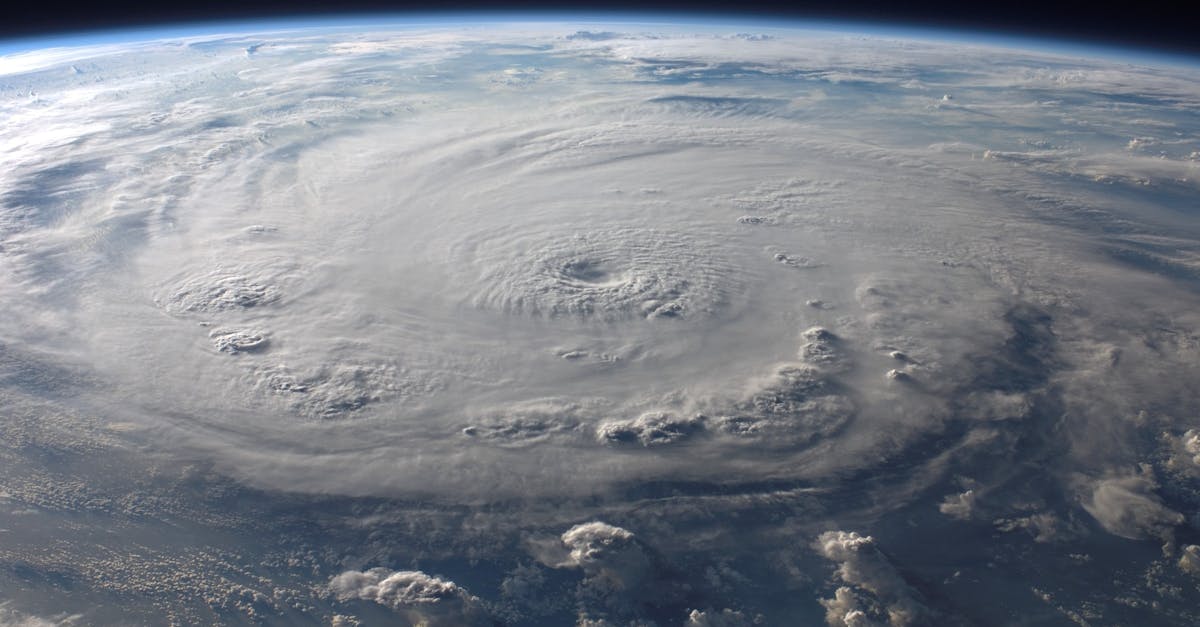
Hurricane Fausto Threatens Operational Disruptions and Asset Damage Across Hawaii Businesses
As Hurricane Fausto approaches Hawaii, businesses across all sectors face an elevated risk of operational disruption, property damage, and supply chain interruptions. Hawaiian Electric is actively monitoring the storm and urging customers to review and finalize their emergency preparedness plans. This is not a situation for passive observation; proactive measures are required to safeguard assets, protect employees, and minimize the economic impact of potential storm-related events.
The Change
Hurricane Fausto has intensified and is tracking towards the Hawaiian Islands. While the exact landfall is uncertain, its projected path and potential for significant tropical storm-force winds, heavy rainfall, and storm surge necessitate an immediate response from all businesses. Hawaiian Electric has issued advisories, and meteorological services are providing updated forecasts. The threat requires businesses to move from monitoring to active preparation.
Who's Affected
This evolving situation poses direct and indirect risks to numerous business sectors:
- Small Business Operators: Restaurants, retail shops, and service providers face risks including direct property damage from wind and water, loss of inventory due to spoilage or damage, and extended business closures due to power outages or inaccessible locations. Staffing can also be impacted if employees are unable to travel safely. Immediate actions include securing inventory, boarding up windows, and establishing communication protocols with staff.
- Real Estate Owners: Property owners and managers must prepare for potential damage to buildings, including roofs, windows, and landscaping. Rental properties may experience tenant displacement or damage claims. Developers and construction sites need to secure equipment and materials to prevent them from becoming projectiles. Property managers should pre-stage maintenance crews and communicate emergency procedures to tenants.
- Tourism Operators: Hotels, resorts, tour companies, and vacation rental managers face immediate concerns regarding guest safety, potential cancellations, and flight disruptions. Operational continuity is paramount; businesses must have plans for sheltering guests, communicating with affected visitors, and assessing damage post-storm. Airline capacity can be severely reduced, impacting both arrivals and departures.
- Agriculture & Food Producers: Farms, ranches, and food processing facilities are highly vulnerable to wind damage to crops, greenhouses, and irrigation systems. Livestock may require immediate relocation or special care. Flooding can contaminate fields and impact harvest yields. Businesses may face severe disruption to their supply chains, affecting both local distribution and export logistics.
- Healthcare Providers: Clinics, private practices, and medical facilities must ensure backup power systems are functional, especially for critical care. Telehealth infrastructure should be verified, as it may become the primary service delivery method during widespread power outages. Emergency staffing plans and patient communication protocols are essential for maintaining essential services during and after the storm.
Second-Order Effects
The immediate economic impact of a hurricane can cascade through Hawaii's unique, isolated economy. Widespread power outages will cripple operations across multiple sectors, leading to significant revenue loss for businesses unable to function. This can strain already tight cash reserves, particularly for small operators. Prolonged disruptions to shipping and inter-island transport can exacerbate supply chain issues, leading to shortages and price increases for essential goods. Localized flooding and infrastructure damage can isolate communities, impacting both workforce availability and customer access. Furthermore, a significant storm event could lead to a temporary downturn in tourism, affecting hotels and related businesses, which in turn impacts the wider service economy.
What to Do
For All Affected Roles: Assess your current emergency preparedness. If plans are not in place or have not been reviewed recently, this is the immediate priority. Activate your business continuity plan.
- Small Business Operators: Implement immediate protective measures for inventory and property. Secure loose outdoor items. Ensure backup power solutions are tested and ready if applicable. Communicate emergency procedures and expected operational status to staff and customers. Review insurance policies for hurricane-related coverage.
- Real Estate Owners: Secure all properties. Inspect roofs, windows, and doors for vulnerabilities. Prepare for potential utility disruptions. Ensure emergency contact information for tenants is up-to-date and communicate evacuation or sheltering procedures clearly.
- Tourism Operators: Review guest evacuation and sheltering plans. Communicate directly with arriving and departing guests regarding flight status and operational impacts. Ensure staff are briefed on emergency protocols. Secure outdoor amenities and transient property.
- Agriculture & Food Producers: Relocate or secure vulnerable crops and equipment. Ensure livestock are in safe, protected areas. Prepare for potential supply chain disruptions and prioritize water management strategies, as both drought and flood conditions can be exacerbated.
- Healthcare Providers: Verify the functionality of backup generators and critical medical equipment. Ensure communication systems (including telehealth platforms and emergency contact methods) are robust. Activate emergency staffing plans and communicate essential service availability to patients and the public.
Action Details
Businesses across Hawaii must immediately implement or review hurricane preparedness plans. Secure assets, protect employees, and ensure communication channels are open before Hurricane Fausto makes landfall to mitigate operational losses and physical damage.