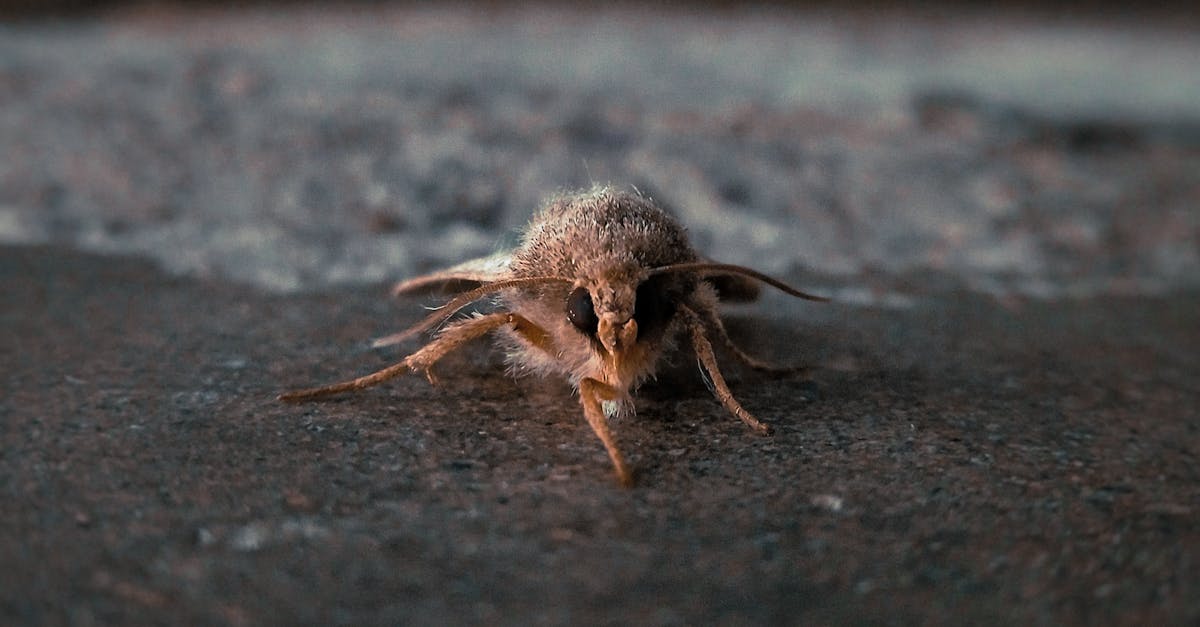
Kauaʻi Agricultural & Ecosystem Risks Rise: Invasive Ramie Moth Threatens Native Flora
The detection of the invasive ramie moth (Arcte coerula) on Kauaʻi marks a new, medium-urgency risk for the island's unique ecosystems and potentially for its agricultural sector. This pest, identified following a community report to the Kauaʻi Invasive Species Committee (KISC), feeds on māmaki (Pipturus albidus), a native plant with cultural significance and potential commercial uses.
The Change
A single live ramie moth caterpillar was collected on Kauaʻi in late January 2026, confirming the presence of this invasive species on the island for the first time. The ramie moth is known to target Boehmeria species (ramie) in its native range but also poses a threat to native Hawaiian flora, including māmaki. Māmaki is a key host plant for the native Kamehameha butterfly caterpillars and is also utilized for its fiber and medicinal properties. The Kauaʻi Invasive Species Committee is leading initial survey and containment efforts.
Who's Affected
Agriculture & Food Producers: While the immediate threat is ecological, the ramie moth could eventually impact any agricultural operations utilizing or adjacent to māmaki or similar native plants. This includes potential disruptions to native plant nurseries, farms aiming to cultivate māmaki for fiber or herbal products, and even apiculture if māmaki is a significant nectar source. Producers should increase biosecurity protocols and monitor for any signs of infestation on their properties or in their supply chains. The long-term viability of māmaki as a niche crop or ingredient could be jeopardized if the infestation spreads unchecked.
Entrepreneurs & Startups: This detection presents both challenges and potential opportunities for the startup ecosystem. For those in the ecological restoration or sustainability sectors, it highlights the ongoing need for advanced monitoring and rapid response solutions. Entrepreneurs developing novel biopesticides, biological control agents, or advanced early-detection technologies for invasive species could find new market demands. Startups focused on value-added products from native plants, such as māmaki tea or fiber products, will need to assess the long-term risk to their raw material sourcing and potentially factor in increased land management or biosecurity costs.
Investors: Investors focused on environmental, social, and governance (ESG) themes, particularly those with portfolios in Hawaii, should note this development. Investments in land conservation, ecological restoration projects, or sustainable agriculture on Kauaʻi may face increased risk from invasive species and the associated management costs. Conversely, companies offering solutions for invasive species management or ecological resilience could see enhanced investment potential. The spread of invasive species is a persistent risk factor for Hawaiian businesses and ecosystems, potentially impacting land values and operational stability.
Second-Order Effects
- Invasive moth infestation → Māmaki plant decline → Reduced habitat for Kamehameha butterfly → Negative impact on native insect populations → Disruption of local food webs → Reduced biodiversity → Potential tourism impact from loss of native species.
- Invasive species presence → Increased biosecurity measures & monitoring costs → Potential land use restrictions for affected areas → Impact on development permits → Reduced investor confidence in affected agricultural or ecological projects.
What to Do
This is a WATCH level alert. The immediate financial impact is low, but proactive monitoring and awareness are crucial to mitigate future risks.
Agriculture & Food Producers: Maintain vigilance for signs of ramie moth or caterpillar damage on māmaki plants or susceptible species. Review your farm's biosecurity plan for robust internal protocols. Stay informed on KISC’s efforts to track and contain the pest.
Entrepreneurs & Startups: Assess if your business offers solutions related to pest detection, control, or ecological restoration. Consider how this invasive species could represent a market opportunity. Begin research into biomonitoring technologies and sustainable pest management.
Investors: Monitor the spread and containment efforts for the ramie moth on Kauaʻi. Evaluate the potential impact on agricultural land values and conservation project viability. Keep an eye on companies or technologies that address invasive species challenges.
General Business: For any business operating on Kauaʻi, especially those with land holdings or supply chains connected to natural resources, stay informed via official channels like the Kauaʻi Invasive Species Committee and the Hawaiʻi Department of Agriculture regarding the pest's status and any quarantine or control measures that may be implemented.


